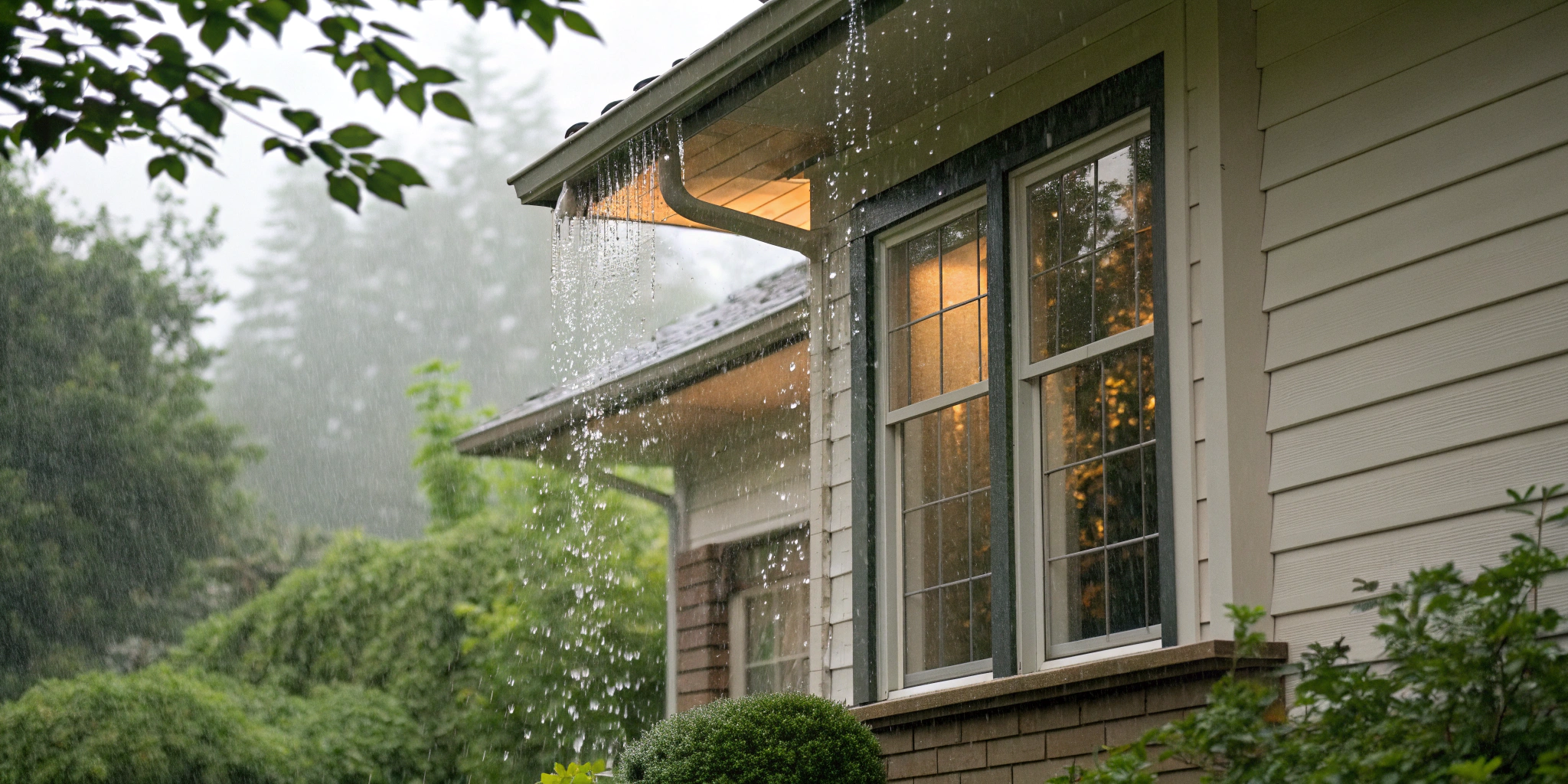
When you hear the term storm windows, you might picture the clunky, rattling aluminum frames from your childhood home. It’s time to update that image. Today’s storm windows are nothing like their predecessors; they are sleek, durable, and designed to blend seamlessly with your home’s aesthetic. Far from being a temporary fix, modern designs offer a permanent solution for reducing noise, stopping drafts, and protecting your primary windows from harsh weather. We’re here to clear up the common myths and show you how these advanced windows can make your home quieter, cozier, and more efficient, all while preserving your home’s curb appeal.
Key Takeaways
- Get big energy savings for a smaller investment: Storm windows offer many of the same benefits as full replacements—like lower energy bills and better insulation—for a fraction of the price, making them a practical upgrade if your current window frames are in good condition.
- Focus on quality materials and coatings: The most effective storm windows feature durable frames (like aluminum or vinyl) and low-e glass coatings. These key features are what create a strong, energy-efficient barrier against the elements.
- A proper fit is essential for performance: An airtight seal is critical for storm windows to work correctly. Professional installation guarantees the job is done right, and remember to check for energy rebates or tax credits to lower your overall cost.
What Are Storm Windows and How Do They Work?
Ever wonder if there’s a way to make your existing windows perform better without a full-scale replacement? That’s where storm windows come in. Think of them as a second pane of glass you install either inside or outside your primary windows. Their main job is to create an insulating barrier of air between the storm window and your main window. This simple addition does a lot of heavy lifting: it helps reduce your energy bills, quiets outside noise, and gives your home an extra layer of protection against harsh weather like driving rain and high winds.
For many homeowners, storm windows are a smart, cost-effective alternative to a complete window replacement. They improve the efficiency of your current windows, helping to seal up drafts and keep your home more comfortable year-round. Whether you’re trying to keep the heat in during a chilly New Jersey winter or keep the cool air from escaping in the summer, that pocket of trapped air makes a significant difference. Beyond energy savings, they also protect your primary windows from the elements, extending their lifespan and reducing maintenance needs. It’s a straightforward upgrade that can improve your home’s comfort and lower your energy consumption.
Explore the Different Types of Storm Windows
Storm windows aren’t a one-size-fits-all solution. They come in a variety of styles designed to work with the windows you already have. You’ll find options for vertical and horizontal windows, as well as fixed panes for picture windows that don’t open. Common configurations include two-track and triple-track systems. A two-track has two panes that slide on two separate tracks, while a triple-track adds a third track for a screen, giving you more flexibility for ventilation. Whether you have double-hung windows or sliders, there’s a storm window designed to match its function and fit seamlessly.
How Storm Windows Make Your Home More Energy-Efficient
The biggest win with storm windows is how much they can improve your home’s energy efficiency. By design, they help stop air from leaking in and out around your existing windows. This simple fix makes your home feel more comfortable right away and can lead to real savings on your heating and cooling bills. In fact, the Department of Energy notes that adding low-e storm windows can cut your energy costs by 10% to 30%. They can also reduce your home’s total air leakage by 10% or more. Essentially, you’re increasing your window’s R-factor, which is just a technical way of saying they get much better at keeping heat inside during the winter and outside during the summer.
Key Features to Look for in Storm Windows
When you start shopping for storm windows, it helps to know what separates a high-quality product from a less effective one. It’s not just about adding another layer of glass; it’s about choosing a window with the right materials, technology, and construction to deliver real benefits like energy savings and improved comfort. By focusing on a few key features—the frame, the glass, and the hardware—you can find a solution that offers lasting value and protection for your home.
Compare Frame Materials for Durability
The frame is the backbone of your storm window, so you want something built to last. Common materials include aluminum, vinyl, and wood. Aluminum is strong and low-maintenance, while vinyl offers excellent insulation and wood provides a classic look. Storm windows are a fantastic, budget-friendly alternative to a full replacement, adding an extra layer of protection to your existing windows. The right frame material will stand up to New Jersey’s varied weather, ensuring your investment performs year after year without warping or cracking.
Understand Your Glass and Coating Options
The type of glass in your storm window plays a huge role in its energy efficiency. Many modern storm windows feature a special “low-e” coating, a microscopically thin layer that reflects heat. This coating helps keep heat inside during the winter and outside during the summer. According to the Department of Energy, this can save you 10% to 30% on heating and cooling bills. This technology makes your home more comfortable while lowering your energy consumption. When comparing options, always ask about low-e coatings to get the most out of your new storm windows.
Inspect the Hardware and Sealing Systems
The details matter when it comes to keeping drafts and moisture out. A quality storm window should have robust hardware and a tight seal. Look for features like weatherstripping to close any small gaps and ensure the frame joints fit together snugly. The best models also include mold- and mildew-resistant weatherstripping and strong locks for added security. These components work together to stop drafts and rattles, making your home more efficient, secure, and peaceful.
Storm Windows vs. Full Replacement: A Price Comparison
When you’re looking to improve your home’s energy efficiency, your windows are a great place to start. But that often leads to a big question: should you install storm windows or go for a full window replacement? Both options can make your home more comfortable and lower your energy bills, but they come with very different price tags and project scopes.
The right choice depends on your budget, the current condition of your windows, and your long-term goals. A full replacement is a major renovation, while storm windows are a significant upgrade that works with your existing setup. Let’s break down the numbers so you can see how the initial investment and long-term returns stack up for each option. Understanding the financial side of things will help you make a confident decision for your home.
Breaking Down the Costs
The most significant difference between storm windows and replacement windows is the upfront cost. On average, installing storm windows costs about one-third the price of a full window replacement. Why the huge difference? A full window replacement is a more involved process that requires removing the old window frame and all, fitting a new unit, and finishing the interior and exterior trim.
Storm windows, on the other hand, are installed over your existing windows. This means less labor and fewer materials, which translates directly into lower costs. If your current window frames are still in good shape but you want to reduce drafts and improve insulation, storm windows offer a budget-friendly way to get similar energy savings without the expense of a complete overhaul.
Calculate Your Long-Term Savings and ROI
While the initial investment is lower, storm windows still deliver impressive long-term value. According to the Department of Energy, adding low-e storm windows can reduce your home’s air leakage by 10% and cut your annual heating and cooling costs by 12% to 33%. Over several years, those savings on your utility bills really add up, allowing the windows to pay for themselves.
When you think about return on investment, storm windows are one of the most cost-effective energy upgrades you can make. You get a significant improvement in comfort and efficiency for a fraction of the cost of new windows. This makes them an excellent choice for homeowners who want to see a faster payback on their investment while still making a meaningful impact on their home’s performance.
Who Makes the Best Storm Windows?
Choosing the right brand of storm windows can feel overwhelming with so many options on the market. The good news is that a few key players consistently stand out for their quality, durability, and performance. We’ll walk through the top brands we trust and the quality certifications you should look for to ensure you’re making a smart investment in your home’s protection.
Our Expert Storm Window Solutions
When you’re investing in storm windows, you want brands known for standing up to tough weather. We often recommend brands like Andersen, Marvin, and Pella because they offer excellent impact-rated windows. These are specifically engineered to handle severe conditions, including high winds and flying debris that are common during New Jersey storms. According to recent lab tests, these windows provide a reliable barrier that protects your home and gives you peace of mind. Choosing a trusted brand means you’re not just buying a window; you’re getting a proven defense system for your home.
Discover Top-Rated Brands
Beyond the big names, several other manufacturers produce high-quality storm windows worth considering. Brands like Simonton and PGT are well-regarded for their hurricane-rated options. While these might come with a higher price tag, their superior durability and storm resistance make them a fantastic long-term investment, especially if you live in a coastal area. Other reputable manufacturers include Larson, Quanta-Panel, and MonRay, all of which have a solid track record for producing dependable storm windows. Having a variety of trusted brands to choose from allows you to find the perfect fit for your home’s needs and budget.
What Quality Certifications Should You Look For?
No matter which brand you’re considering, always check for quality certifications. These labels confirm that the window meets strict industry standards for performance and safety. Two of the most important ones to look for are from the American Architectural Manufacturers Association (AAMA) and the National Fenestration Rating Council (NFRC). The AAMA certification tells you the window has passed tests for structural integrity, while the NFRC label provides key information about its energy efficiency. Think of these certifications as a guarantee that your new storm windows will perform exactly as promised when you need them most.
Interior vs. Exterior: Which Storm Window Is Right for You?
When you decide to add storm windows, one of the first choices you’ll make is where to install them: on the inside or the outside of your existing windows. Both interior and exterior
Compare Installation and Performance
Exterior storm windows are the traditional choice, mounted on the outside of your primary window frame. They act as the first line of defense against wind, rain, and ice, directly protecting your main window from wear and tear. While highly effective, installation can be more complex, especially on upper floors. Interior storm windows, on the other hand, are installed on the inside. This makes them much easier to install and remove yourself. Performance-wise, both types can dramatically improve your home’s energy efficiency, especially if you opt for a low-e coating. A quality storm window can provide similar energy savings to a full window replacement, but at about one-third of the cost.
Consider Your Climate and Home’s Design
In New Jersey, where we see every season, climate is a big factor. Exterior storm windows offer excellent protection from harsh weather. However, interior models are completely shielded from the elements, which can extend their lifespan. Aesthetically, interior storm windows are practically invisible from the outside, making them a great choice if you want to preserve your home’s curb appeal or live in a community with strict exterior modification rules. For historic homes, carefully selected exterior storm windows can maintain the building’s character. Ultimately, both options can help you save 10% to 30% on heating and cooling costs and make your home feel cozier year-round.
Should You DIY or Hire a Pro for Installation?
Deciding whether to install storm windows yourself or hire a professional is a big question for many homeowners. On one hand, a DIY project can feel empowering and save you some money on labor costs. On the other hand, the energy-saving benefits of storm windows hinge entirely on a perfect installation. An improper fit doesn’t just reduce efficiency; it can lead to drafts, condensation between panes, and even damage to your primary window frames, completely negating your investment and potentially causing bigger problems down the road.
Your decision really comes down to your skill level, the tools you have on hand, and your available time. A weekend project can quickly turn into a month-long headache if you run into unexpected issues, like finding hidden rot in your window sills or struggling to get a perfect, weatherproof seal. It’s one thing to watch a tutorial online, but it’s another to be up on a ladder trying to get a heavy window perfectly level. Before you grab your toolbelt, it’s important to be realistic about what each path involves. Let’s break down what you’ll need for a DIY project and explore the clear advantages of bringing in an expert to handle the job.
What You’ll Need for a DIY Project
If you’re comfortable with home improvement projects, installing storm windows can be a rewarding task. It’s one of the most affordable ways to make your existing windows more efficient, and a successful installation can help you save 12% to 33% on your annual energy bills. Before you start, you’ll need to thoroughly inspect your existing windows. Make sure the frames and surrounding surfaces are dry, and repair any broken glass, rotting wood, or water leaks first. You’ll also need the right tools, including a quality tape measure, a drill, a level, and a caulk gun for sealing gaps. Precise measurements are critical—even a small error can compromise the airtight seal you need.
The Benefits of Professional Installation
Hiring a professional ensures your storm windows perform exactly as they should. An expert installer guarantees a perfect, airtight fit, which is essential for stopping drafts and lowering your heating and cooling bills. Modern storm windows are more advanced than older models, often featuring specialized weatherstripping and strong, tightly fitted joints that require precise handling. A professional has the experience to manage these details flawlessly. They can also identify and resolve underlying issues with your existing window frames that a DIYer might overlook. Ultimately, professional window installation gives you peace of mind, knowing the job is done right and your investment is protected for years to come.
Clearing Up Common Storm Window Myths
Storm windows have been around for a long time, and with that history comes a few persistent myths. You might have heard they’re clunky, unattractive, or just a temporary fix. But modern storm windows have come a long way, offering practical benefits that might surprise you. Let’s clear the air and look at what today’s storm windows can really do for your home.
Are They Durable? A Look at Maintenance Needs
One of the biggest misconceptions is that storm windows are a flimsy, short-term solution. In reality, they act as a shield for your primary windows, protecting them from harsh weather and extending their lifespan. Think of them as an affordable, extra layer of defense. This added protection means your existing windows are less exposed to rain, snow, and wind, which can prevent wear and tear over time. Maintenance is also straightforward—they just need regular cleaning like any other window. With proper care, quality storm windows are a durable investment that helps preserve the windows you already have.
The Truth About Noise Reduction and Aesthetics
If you picture bulky, awkward frames when you think of storm windows, it’s time for an updated image. Today’s designs are sleek and can be customized to match your home’s style, so they won’t detract from your curb appeal. Beyond looks, they offer a significant improvement in home comfort. By creating an insulating air pocket, storm windows help stop drafts and reduce air leakage. This not only makes your home feel cozier but also lowers your energy bills. As a bonus, that same air gap is great for dampening outside noise, creating a quieter, more peaceful indoor environment.
Are They a Good Fit for Historic Homes?
Absolutely. In fact, storm windows are often the best choice for older and historic properties. Replacing the original, often custom-made windows in a historic home can be incredibly expensive and may even violate preservation guidelines. Storm windows offer a way to dramatically improve energy efficiency and comfort without altering the home’s unique character. They preserve the architectural integrity of the original windows while adding a modern layer of performance. It’s a solution that respects the past while making your home more livable for the present, much like how careful resurfacing can restore masonry without replacing it.
Can You Get Discounts or Financing for Storm Windows?
Upgrading your home with storm windows is a fantastic investment in comfort and energy efficiency, and the good news is, you don’t always have to foot the entire bill yourself. Several programs and offers can help lower the cost, making this project even more accessible for your budget. From federal tax credits to local company promotions, it pays to do a little research before you commit. Taking a few extra minutes to explore these options can lead to some serious savings.
Find Energy Rebates and Tax Credits
One of the best ways to save money is by taking advantage of government incentives. You can often find energy rebates and tax credits for purchasing storm windows that meet certain efficiency standards. For instance, the ENERGY STAR program offers a federal tax credit for specific home improvements. Homeowners may be able to claim up to $200 for exterior windows as part of the Nonbusiness Energy Property Credit, provided the windows are installed in your primary U.S. home. Additionally, many local utility companies provide their own rebates. You can use the ENERGY STAR Rebate Finder to check for incentives available in your area.
Beyond government programs, be sure to ask your contractor directly about any ongoing promotions or financing options they offer. Many home improvement companies provide seasonal discounts or special payment plans to make energy-efficient upgrades more affordable. These offers can significantly reduce the upfront cost of purchasing and installing new windows, making it easier to invest in your home’s long-term value and comfort. When you’re getting an estimate, it never hurts to inquire about current deals. A simple question could help you secure a great price on your project, allowing you to get the high-quality storm windows you need without breaking the bank.
How to Maintain Your Storm Windows
Keeping your storm windows in top shape is easier than you might think. A little regular attention not only keeps them looking great but also ensures they’re doing their job of protecting your home and saving you money on energy bills. Think of it as simple preventative care that protects your investment for the long haul. With a straightforward routine, you can extend the life of your windows and maintain your home’s curb appeal and efficiency for years to come.
Simple Cleaning and Care Tips
You don’t need harsh chemicals to get a streak-free shine. A simple and effective all-natural cleaning solution is a mix of equal parts white vinegar and water in a spray bottle. It cuts through grime without leaving behind any residue. For those extra-stubborn spots, try making a paste with a little baking soda and water. Gently rub it on the stain; it acts as a mild abrasive that won’t scratch the glass. For the best results, try to wash your windows within a day or two after a storm. This makes it much easier to wipe away dirt and debris before it has a chance to bake on.
Your Guide to Seasonal Upkeep and Quick Fixes
Beyond regular cleaning, a quick seasonal check-up will keep your storm windows functioning perfectly. At the start of spring and fall, take a few minutes to inspect the frames for any signs of wear, and check that the seals are still tight and intact to prevent drafts. Test any moving parts, like latches or slides, to make sure they operate smoothly. If your windows are removable, taking them outside for a good wash can make the job easier. Don’t forget to clean out the window sills and tracks, too. If you spot significant damage like cracked glass or a warped frame, it might be time to look into professional window replacement to keep your home secure and efficient.
Related Articles
Frequently Asked Questions
Are storm windows a good idea if my current windows are just old and drafty, but not broken? Yes, this is the perfect scenario for storm windows. If your primary window frames are still in good shape, storm windows offer a way to significantly improve their performance without the cost and disruption of a full replacement. They add a crucial layer of insulation that stops drafts and reduces heat loss, making your home more comfortable right away.
Will I actually see a difference in my energy bills? You absolutely can. By creating an insulating pocket of air, storm windows reduce how hard your heating and cooling systems have to work. This can lead to noticeable savings, often between 12% and 33% annually, according to the Department of Energy. It’s one of the most cost-effective upgrades you can make for a real impact on your utility costs.
How do I decide between interior and exterior storm windows? The choice often comes down to your home’s design and your personal preference. Exterior storm windows provide a rugged first line of defense against the elements, protecting your primary windows. Interior models are easier to install and remove, especially on second-story windows, and are practically invisible from the outside, which is great for preserving your home’s curb appeal.
Do storm windows look bulky or ruin my home’s curb appeal? That’s a common myth based on older, clunkier designs. Today’s storm windows are much more streamlined and can be customized to complement your home’s style. Modern frames are designed to be discreet and blend in seamlessly, so you can get all the energy-saving benefits without sacrificing the look of your home.
Is professional installation really necessary? While it might seem like a straightforward DIY project, the energy-saving benefits of a storm window depend entirely on a perfect, airtight seal. An improper fit can lead to drafts and condensation, defeating the purpose of the upgrade. A professional ensures the installation is done correctly, maximizing your window’s performance and protecting your investment for years to come.