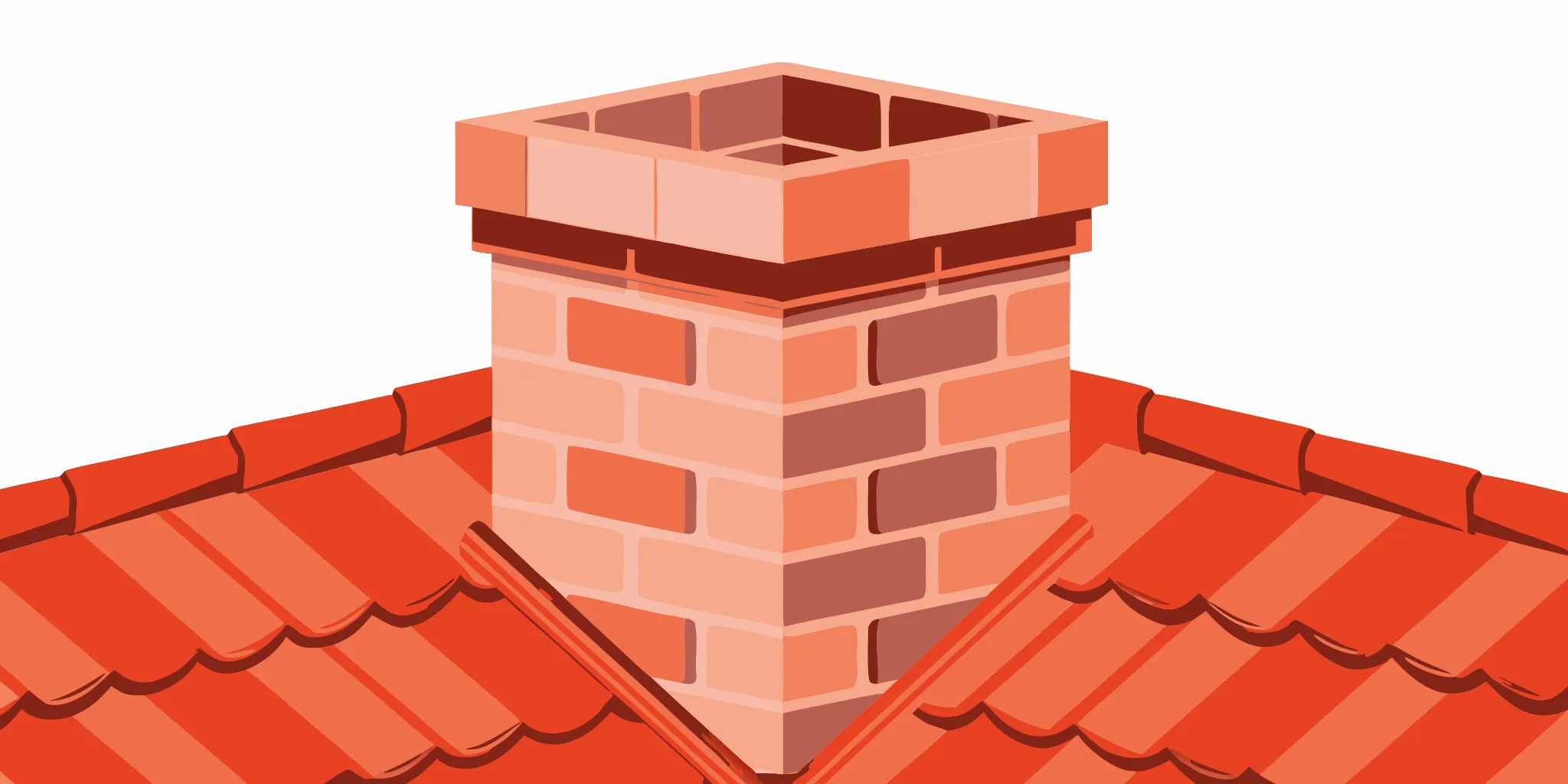
In New Jersey, our homes endure a full range of weather, from humid summer storms to harsh winter freezes. This constant cycle of wet and cold is particularly tough on your chimney’s exterior. Water seeps into the porous brick and mortar, and when temperatures drop, that trapped moisture freezes and expands, causing cracks and crumbling from the inside out. This is why timely masonry chimney repair is so crucial in our climate. We’ll explore how this freeze-thaw cycle affects your chimney, what specific signs of weather damage to watch for, and the best preventative measures you can take to ensure your chimney stands strong for years to come.
Key Takeaways
- Spot trouble before it starts by looking for key warning signs: Regularly check your chimney for crumbling mortar, flaking bricks (spalling), or white, chalky stains. These are clear indicators that your chimney has moisture issues that need professional attention before they lead to major structural problems.
- A qualified professional is non-negotiable for safety and quality: Always choose a licensed and insured contractor with specific masonry experience. Vetting your pro by reading recent reviews and comparing detailed, written estimates ensures the job is done right the first time, protecting your home and your investment.
- A proper repair is a long-term solution, not a quick patch: A lasting fix addresses the root cause of the damage—from a cracked crown to failing flashing—and should be backed by a clear warranty. This approach prevents recurring issues and maintains your home’s safety and value for years to come.
What Are the Most Common Chimney Masonry Repairs?
Your chimney stands tall against the elements year-round, but that constant exposure to rain, wind, and fluctuating temperatures can take a toll. Over time, even the most well-built masonry can start to show signs of wear. The good news is that most issues can be addressed with specific, common repairs that restore your chimney’s safety and appearance. From crumbling mortar to water leaks, identifying the right fix is the first step toward a lasting solution. Understanding these common repairs will help you know what to look for and what to discuss when you call a professional for a chimney resurfacing or repair estimate. Let’s walk through the most frequent types of chimney masonry work homeowners encounter.
Repointing and Mortar Joint Repair
Think of mortar as the glue that holds your chimney’s bricks together. When that glue starts to crack, crumble, or wash away, the entire structure is at risk. Repointing is the process of carefully removing the old, damaged mortar and replacing it with a fresh, durable mixture. This is the go-to repair when your bricks are still in good shape but the joints between them are failing. A professional repointing job not only restores the chimney’s structural integrity but also seals it against moisture, preventing water from seeping in and causing more extensive damage down the line. It’s a precise task that makes a huge difference in the longevity of your chimney.
Replacing Damaged Bricks and Stones
Sometimes, the problem goes beyond the mortar. Bricks and stones can crack, flake, or break apart due to moisture, freeze-thaw cycles, or a structural shift. This is a more serious issue known as spalling. When this happens, repointing isn’t enough. The damaged bricks or stones must be completely removed and replaced to maintain the chimney’s stability and safety. A skilled mason can match the new materials to your existing chimney, ensuring the repair blends seamlessly. This type of stone veneer or brick replacement is critical for preventing further deterioration and keeping your chimney looking its best.
Repairing the Chimney Crown
The chimney crown is the concrete slab at the very top of your chimney. Its job is to direct rain and snow away from the flue and the masonry structure below. If the crown develops cracks or starts to fall apart, water can get into the chimney system, leading to widespread damage. A common repair involves either sealing the cracks or, if the damage is severe, completely rebuilding the crown. A properly constructed crown should have a slight overhang to ensure water drips away from the bricks, not down them. This is a small detail that provides major protection for the entire structure.
Fixing or Replacing Flashing
If you’ve ever had a leak in your ceiling near the fireplace, the chimney flashing is the most likely culprit. Flashing is the sheet metal that seals the joint where your chimney meets the roofline. It’s a critical barrier that keeps water out of your home. Over time, flashing can rust, lift, or lose its seal. Repairing it might involve applying a new sealant, or it may require replacing the metal sections entirely. Because it integrates with your roofing system, it’s essential that flashing is installed correctly to create a watertight seal and protect your attic and home from costly water damage.
Applying Waterproofing Sealants
One of the best ways to protect your chimney is to stop water damage before it starts. Because brick and mortar are porous, they can absorb a surprising amount of water. In a climate like New Jersey’s, that moisture can freeze and expand, causing bricks to crack and spall. Applying a professional-grade, vapor-permeable waterproofing sealant can make a huge difference. This type of sealant creates a barrier against water penetration but still allows the chimney to breathe, releasing any internal moisture. It’s a preventative step that should be part of your regular home maintenance, helping you avoid more extensive and expensive masonry repairs in the future.
Does Your Chimney Need Repair? 5 Signs to Look For
It’s easy to overlook your chimney until something goes wrong, but catching problems early can save you from costly and dangerous situations. Think of it like a regular health check-up for your home. A quick visual inspection a few times a year can help you spot trouble before it escalates. Some signs of damage are subtle, while others are impossible to miss. Knowing what to look for is the first step in keeping your chimney safe, functional, and structurally sound for years to come. Here are five key signs that your chimney needs professional attention.
Cracks in the Brick or Mortar
Take a close look at your chimney’s exterior. Do you see any cracks in the bricks or the mortar holding them together? These can appear as thin vertical lines, horizontal breaks, or zig-zag patterns that follow the mortar joints. While any crack is a concern, horizontal cracks can be especially serious, sometimes pointing to foundation issues. These openings are an open invitation for water to seep in. During New Jersey’s winters, that trapped water freezes and expands, forcing the cracks to widen. This freeze-thaw cycle can quickly turn a small issue into a major structural problem. Proper resurfacing can address these cracks and prevent further deterioration.
Crumbling Mortar Joints
The mortar is the glue that holds your chimney’s bricks together, but it’s not as durable as the bricks themselves. Over time, harsh weather can cause the mortar to erode, crumble, or even fall out in chunks. You might notice gaps between the bricks or a sandy, deteriorating texture in the joints. This is a problem because weakened mortar compromises the entire chimney’s stability, allowing bricks to become loose. It also creates another entry point for moisture, which can lead to internal water damage. Addressing crumbling joints promptly through a process called repointing is essential to maintaining your chimney’s structural integrity and preventing more extensive repairs later on.
Flaking or Popping Bricks (Spalling)
If you see pieces of brick flaking off or the brick faces popping away from the chimney, you’re looking at a condition called spalling. This happens when water penetrates the porous surface of the brick. When that water freezes, it expands with incredible force, causing the outer layer of the brick to break and peel away. You might find small chips or entire slices of brick on your roof or the ground below. Spalling is a serious red flag because it’s a clear sign of advanced water saturation. It weakens the individual bricks, which in turn weakens the entire chimney structure and makes it more vulnerable to further damage.
White Stains or Water Damage
Have you noticed a white, chalky substance on the outside of your chimney’s brickwork? This is a tell-tale sign of water penetration called efflorescence. The stain itself is just salt deposits left behind as moisture evaporates from the masonry, but it points to a bigger problem: your chimney is absorbing too much water. The underlying issue could be a cracked chimney crown, failing flashing around the base, or simply porous bricks that need to be sealed. Ignoring efflorescence means ignoring the moisture that’s getting into your chimney, which can lead to spalling, mortar decay, and internal damage if left unaddressed.
A Leaning Chimney Structure
This is one sign you absolutely cannot ignore. If your chimney is visibly tilting or pulling away from your house, it’s a serious structural emergency. A leaning chimney indicates a major problem with its foundation or the supporting structure of your home. This can be caused by a deteriorating footing, soil erosion, or significant water damage at the chimney’s base. A leaning chimney is a severe safety hazard, as it has the potential to collapse, which could cause catastrophic damage to your roof, your home, and anything—or anyone—nearby. If you notice any tilt, you should contact a professional immediately for an urgent assessment.
How to Choose the Right Chimney Repair Service
Finding the right contractor for your chimney repair can feel like a big task, but it’s one of the most important decisions you’ll make for the safety and integrity of your home. A chimney isn’t just a decorative feature; it’s a complex system that needs to function perfectly to keep your family safe. The right team will not only fix the immediate problem but also ensure the repair lasts for years to come.
Think of your search as a simple vetting process. You’re looking for a partner who is qualified, experienced, and trusted by your neighbors. Taking a little time to check a few key boxes can save you from shoddy work, unexpected costs, and future headaches. Here’s a straightforward guide to help you find a reliable professional who will get the job done right the first time.
Confirm They Are Licensed and Insured
Before you even start talking about the details of the job, your first question should always be about licensing and insurance. This is non-negotiable. A valid contractor’s license proves the company meets state and local requirements to perform the work legally. It’s your first sign that you’re dealing with a legitimate professional, not a fly-by-night operation.
Equally important is their insurance, which should include both liability coverage and workers’ compensation. Liability insurance protects your home from any accidental damage during the repair process, while workers’ comp covers their crew in case of injury. Without this protection, you could be held financially responsible. Don’t just take their word for it—ask for copies of their certificates.
Look for Proven Masonry Experience
Chimney repair is a specialized skill that falls squarely under the umbrella of masonry. You wouldn’t ask a plumber to fix your roof, and you shouldn’t trust a general handyman with the intricate brick and mortar work your chimney requires. Look for a company with a deep portfolio of masonry projects, from resurfacing walls to rebuilding structures.
An experienced mason understands how to properly mix mortar, match new bricks to your existing ones, and ensure the structural integrity of the chimney. They know how different materials expand and contract with temperature changes and how to create durable, weatherproof seals. Ask potential contractors about their team’s experience and look at photos of their previous chimney and masonry work.
Read Recent Customer Reviews
Customer reviews are your window into a company’s day-to-day operations. They offer honest, unfiltered feedback on everything from communication and punctuality to the quality of the final product. While a five-star rating is great, take the time to read what people are actually saying. Do they praise the crew’s professionalism? Did the company stick to the original estimate? How did they handle unexpected challenges?
Look for patterns in the reviews. A long history of positive feedback across multiple platforms is a strong indicator of a company that consistently delivers on its promises. It shows they’ve built a reputation for quality work and excellent customer service in your community.
Compare Detailed, Written Estimates
It’s always a good idea to get estimates from at least three different qualified contractors. However, don’t just compare the final numbers. A trustworthy contractor will provide a detailed, itemized estimate that breaks down the costs for labor, materials, permits, and any other expenses. This transparency is a sign of professionalism and helps you understand exactly what you’re paying for.
Be wary of any estimate that seems unusually low, as it could signal cut corners or low-quality materials. A vague, one-line quote is also a red flag. The best estimate will clearly outline the scope of work, the materials to be used, and a projected timeline. This document protects both you and the contractor by setting clear expectations from the start.
How Much Does Chimney Masonry Repair Cost?
One of the first questions homeowners ask is, “What’s this going to cost me?” While every chimney is different, understanding the typical price ranges can help you budget and spot a fair estimate when you see one. The final cost depends on whether you need a few simple fixes or a more significant overhaul. Let’s break down the numbers for common chimney masonry repairs.
The Price Range for Minor Repairs
For smaller issues, you can expect to pay between $200 and $800. These repairs are usually preventative and address early signs of wear. For example, filling in a few small cracks in the mortar might cost between $150 and $300. If your chimney cap is damaged or missing, a replacement typically runs from $150 to $350. A more involved minor repair is repointing, which involves fixing damaged mortar joints. Depending on how much of the chimney needs work, this can range from $500 to $2,500. Catching these problems early is the best way to avoid bigger, more expensive issues down the road.
The Price Range for Major Rebuilds
If the damage is more extensive, you’ll be looking at a major repair or rebuild, which can range from $1,000 to $5,000 or even more. These projects address serious structural problems. For instance, replacing a damaged flue liner, which is essential for safely venting smoke, can cost between $1,000 and $3,500. If the bricks themselves are crumbling and the structure is unstable, a partial or complete chimney rebuild might be necessary. This is a complex job that can easily cost $1,000 to $5,000, depending on the size of the chimney and the materials used.
What Factors Influence the Final Cost?
Several key factors determine your final estimate. The biggest one is the extent of the damage—a few cracked joints are much cheaper to fix than a leaning structure. The materials required also play a role; matching historic brick, for example, can be more expensive than using standard modern ones. The accessibility of your chimney matters, too. A steep roof or hard-to-reach chimney will increase labor costs. Finally, local labor rates can affect the price, so costs may vary depending on where you live in New Jersey.
How to Understand Your Repair Estimate
When you’re ready to hire a professional, the best approach is to get detailed, written estimates from at least three licensed and insured companies. This allows you to compare not just the price but also the scope of work each contractor is proposing. A good estimate will clearly outline the materials to be used and the specific repairs to be made. For any serious chimney issues, hiring a professional is non-negotiable. Proper chimney resurfacing and repair work ensures your home stays safe and your investment is protected for the long term.
DIY vs. Hiring a Pro: What’s Best for Chimney Repair?
We all love a good weekend project, but when it comes to your chimney, it’s worth pausing before you pull out the ladder. While the DIY route can seem like a great way to save money, chimney repair is a specialized skill that involves significant risks. It’s not just about patching a few cracks; it’s about understanding the structure, diagnosing the root cause of the problem, and ensuring the safety of your home and family.
An improper repair can lead to much bigger headaches down the road, from water damage inside your walls to serious structural failure. Before you decide to tackle the job yourself, it’s important to weigh the risks against the benefits. A professional mason brings years of experience, the right tools, and crucial safety knowledge to the job, ensuring the work is done correctly and will last for years to come. This isn’t just a repair—it’s an investment in your home’s integrity.
The Safety Risks of DIY Work
The most obvious risk of DIY chimney work is personal safety. Climbing onto your roof to work on a chimney is dangerous without proper safety equipment like harnesses, scaffolding, and experience working at heights. A fall can have devastating consequences. Beyond the immediate physical danger, there’s the risk of missing hidden issues. A professional knows how to spot subtle signs of trouble, like internal flue cracks or structural weaknesses, that an untrained eye would likely overlook. These unseen hazards can compromise your chimney’s function and pose a fire risk, turning a small DIY project into a major safety concern.
Common Mistakes That Lead to Bigger Issues
One of the most frequent DIY mistakes is treating the symptom instead of the cause. You might patch some cracked mortar, but if you don’t address the underlying water penetration that caused it, the problem will just return—and likely be worse. Professionals focus on uncovering the root cause to provide a lasting solution. Another common issue is using the wrong materials. Chimneys expand and contract with temperature changes, and they require specific types of mortar and sealants. Using incorrect products can trap moisture or crack under pressure, leading to accelerated deterioration and the need for more extensive resurfacing later on.
When You Should Always Call a Professional
Some chimney problems are non-negotiable and demand a professional’s touch. If you see any signs of a water leak, such as damp spots on your interior walls or white, chalky stains (efflorescence) on the bricks, call an expert immediately. Water is a chimney’s worst enemy and can cause widespread damage. You should also call a pro if you notice your chimney is leaning or if there are large, deep cracks in the masonry. These are signs of potential structural failure that require immediate assessment. Don’t try to diagnose or fix these issues yourself; the stakes are simply too high.
Thinking About Long-Term Value
Hiring a professional is an investment in your home’s long-term health and value. A job done right the first time saves you from the cycle of repeated, costly repairs. It’s also important to know that many home warranties specifically exclude chimney repair, making the quality of the work you pay for even more critical. A professionally repaired and maintained chimney not only protects your home but also enhances its curb appeal and resale value. When you partner with an experienced team, you’re not just buying a repair; you’re buying peace of mind and a durable solution that will stand the test of time.
What Kind of Warranty Should Your Contractor Offer?
A warranty is more than just a piece of paper; it’s a contractor’s promise to you. It shows they are confident in their materials and the quality of their work. When you’re investing in a significant repair, you want assurance that the job will last. A strong warranty provides peace of mind, protecting you from unexpected costs if issues arise down the road. Think of it as a key indicator of a company’s professionalism and commitment to quality. A reputable contractor will always be upfront about their warranty terms and what they cover.
Before you sign any contract, make sure you have a clear understanding of the warranty being offered. It’s a critical part of your decision-making process and can save you from major headaches later on. Don’t be afraid to ask detailed questions—a trustworthy professional will be happy to explain their guarantee.
Typical Warranty Timelines
When it comes to masonry work, a warranty that lasts around 10 years is a good benchmark. This timeline is typically long enough to cover any problems that might come from faulty materials or improper installation. A solid warranty shows that a contractor stands behind their chimney resurfacing and expects it to withstand the elements for years to come.
One important feature to look for is whether the warranty is transferable. If you decide to sell your home, a transferable warranty can be a valuable asset to the new owners, showing that the chimney work was done to a high standard. It’s a detail that reflects a contractor’s long-term commitment to their craft.
What a Quality Guarantee Covers
A quality guarantee should be specific about what it includes. It should cover both the labor and the materials used for the repair. For example, some contractors might offer a lifetime guarantee on certain components, like a professionally installed chimney cap. However, it’s just as important to understand what isn’t covered.
Most warranties will have exclusions for things outside of the contractor’s control, such as damage from severe storms, earthquakes, or impacts. Reading the fine print helps you set realistic expectations. A transparent contractor will clearly outline these conditions so you know exactly what level of protection you’re getting for your home’s exterior, from the roofing to the foundation.
Important Questions to Ask About Their Promise
To make sure you’re fully protected, it’s smart to have a few questions ready for any potential contractor. Start by asking for the warranty details in writing—never rely on a verbal promise. Inquire about the specific differences between a repair warranty and a replacement guarantee, as the terms can vary significantly.
You should also ask who is responsible for servicing the warranty. Is it the contractor or the material manufacturer? Finally, remember that most standard home warranties don’t cover chimney repairs, which makes your contractor’s guarantee even more essential. Getting clear answers to these questions will help you choose a company that truly stands by its brickface and stucco work.
How to Prevent Future Chimney Problems
After you’ve invested in chimney repairs, the last thing you want is to face the same problems again in a few years. The good news is that a little proactive maintenance can make a huge difference. Staying on top of your chimney’s health not only prevents costly future repairs but also protects your home from potential water damage and structural issues. By taking a few preventative steps, you can keep your chimney strong and stable for years to come.
Schedule Regular Inspections
One of the easiest ways to avoid major chimney trouble is to have it inspected regularly. We recommend a professional check-up at least once a year. During an inspection, a trained mason can spot subtle issues you might miss, like fine cracks in the mortar or early signs of water penetration in the chimney crown. Catching these problems early means you’re looking at a minor repair, not a complete rebuild. This routine check ensures all your masonry surfaces, from the chimney to your foundation, remain in top condition.
Protect Your Chimney from Weather
Your chimney stands tall against the elements 24/7, and in New Jersey, that means facing everything from summer downpours to winter ice. Water is the number one enemy of masonry. It seeps into porous bricks and mortar, and when it freezes, it expands, causing cracks and deterioration from the inside out. A properly sealed chimney crown and intact flashing are your first lines of defense. Applying a professional-grade waterproof sealant also provides a crucial barrier against moisture, preventing the kind of water damage that often requires extensive roofing repairs.
Keep an Eye Out for Early Warning Signs
You don’t have to be an expert to spot potential chimney problems. Get into the habit of visually checking your chimney from the ground every few months, especially after heavy storms. Look for crumbling mortar, flaking bricks, or any dark, streaky stains on the exterior. These are often the first signs that moisture is getting in. If you see anything that looks off, call a professional. A quick patch job might seem like an easy fix, but it often just hides a bigger issue. Addressing the root cause with proper brickface and stucco work will save you money and stress down the road.
Related Articles
Frequently Asked Questions
How often should I have my chimney inspected? A yearly inspection is the best practice for keeping your chimney in good shape. Think of it as an annual health check-up for one of the most exposed parts of your home. A professional can spot subtle issues, like a hairline crack in the crown or early mortar decay, long before they become serious problems. This simple, routine check is the most effective way to prevent expensive, large-scale repairs down the line.
Is a small crack in my chimney really a big deal? Yes, even a small crack is worth addressing right away. It acts as an open invitation for water to seep into the masonry. During a New Jersey winter, that trapped moisture freezes and expands, forcing the crack to get wider and causing the face of the brick to flake off. Taking care of a small crack now is a straightforward fix that prevents much larger structural damage from developing.
What’s the difference between repointing and rebuilding a chimney? Think of it like this: repointing is for when the “glue” is failing, while rebuilding is for when the bricks themselves are the problem. Repointing is the process of replacing old, crumbling mortar between bricks that are still in good condition. A rebuild is a much more extensive project that’s necessary when the bricks are severely damaged, the structure is leaning, or the chimney is no longer stable.
My chimney looks fine, but I have a water stain on my ceiling. What could be the cause? This is almost always a problem with the chimney flashing. Flashing is the metal sheeting that seals the joint where your chimney meets the roof. When it gets old, rusts, or comes loose, it creates a direct path for water to get into your attic and ceiling. Another likely culprit is a cracked chimney crown—the concrete slab on top—which can allow water to run down inside the chimney structure itself.
Can I just use a sealant from the hardware store to stop leaks? While it might seem like an easy solution, using a generic sealant can often make the problem worse. Many of these products trap moisture inside the bricks, which can cause significant damage when it freezes and expands. A professional uses a special vapor-permeable sealant that keeps water out but still allows the masonry to breathe. This prevents moisture from getting trapped and causing the bricks to deteriorate from the inside out.