If you’ve ever noticed water stains near your fireplace or a musty smell after it rains, you might have a chimney problem. While there are several potential culprits, a failing chimney crown is often the source of the leak. This solid cap at the top of your chimney is designed to be a waterproof shield, but exposure to the elements can cause it to crack and crumble over time. Once its seal is broken, water has a direct path into the chimney’s structure and, eventually, into your home. We’ll cover how to identify a damaged chimney crown and what steps to take to fix it.
Key Takeaways
- A Healthy Crown Prevents Water Damage: The chimney crown is the concrete slab on top of your chimney that sheds water. A cracked or poorly built crown allows moisture into the masonry, leading to expensive structural problems.
- Quality Materials and Design are Non-Negotiable: A long-lasting chimney crown is made from solid concrete, not basic mortar. It must also have a proper slope and an overhang to effectively direct water away from the chimney’s brickwork.
- Inspect Annually and Hire a Pro for Repairs: Check your crown for cracks each year to catch problems early. For any repairs, from sealing small cracks to a full replacement, professional work is essential to ensure a correct, long-term fix.
What Is a Chimney Crown?
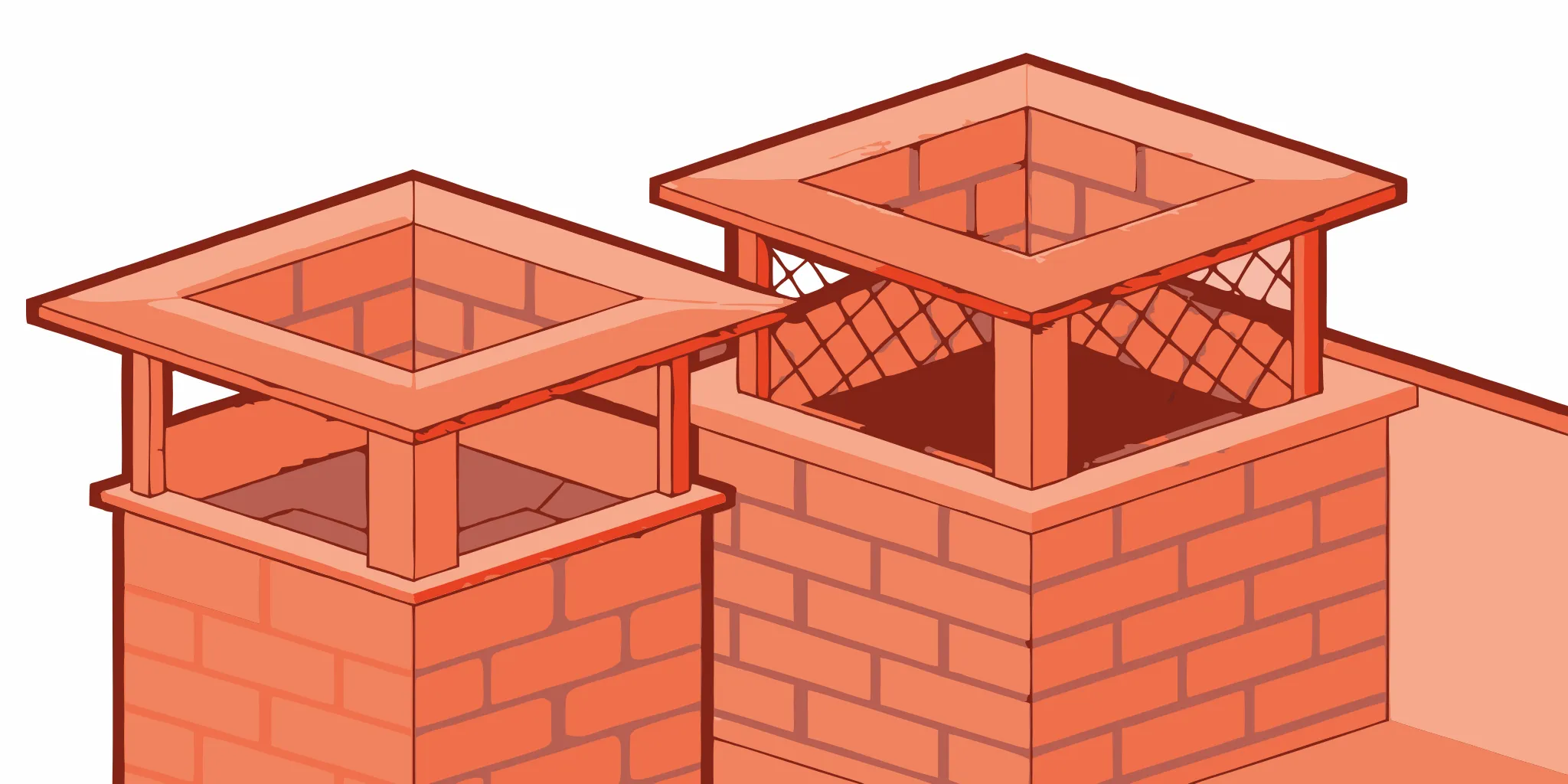
When you think about your chimney, you probably picture the bricks and the smoke. But one of its most important parts is sitting right on top, often out of sight: the chimney crown. It’s not the metal cover with the mesh sides (that’s the chimney cap), but the slab of concrete or mortar that seals the top of your chimney structure. Think of it as a mini-roof for your chimney, providing the first line of defense against rain, snow, and ice. A well-built crown is essential for preventing costly water damage and keeping your entire chimney system in great shape for years to come.
What Does a Chimney Crown Do?
The main job of a chimney crown is to keep water out. It’s built with a slight slope that directs rain and melting snow away from the flue opening and off the sides of the chimney, rather than letting it pool on top or run down the bricks. This simple function is incredibly important because moisture is the biggest enemy of a masonry chimney. Without a solid crown, water can seep into the bricks and mortar, causing cracks, deterioration, and even structural damage over time. It acts as a crucial shield, protecting both the flue liner and the chimney’s structure from the elements.
Where Is It Located?
You’ll find the chimney crown at the very top of the chimney, covering the entire masonry structure like a lid. It extends from the edge of the flue liner out to the chimney’s outer edge. A properly constructed crown will even hang over the sides of the brickwork by a couple of inches, creating a drip edge that helps keep water from running directly down the face of the bricks. It’s the flat, sloped surface you would see if you were looking down on your chimney from the top. This placement makes it the primary barrier against anything that could fall into or damage the chimney.
What Makes a Good Chimney Crown?
Not all chimney crowns are created equal. While it might look like a simple concrete slab, a well-built crown is a carefully engineered component designed to protect your entire chimney structure from the top down. Its effectiveness comes down to three key factors: the slope, the overhang, and the materials used to build it. A crown that gets these details right will successfully shield your chimney from water intrusion for years, preventing costly damage to the masonry, flue, and even the interior of your home.
When a crown is built correctly, it acts as the first line of defense against rain, snow, and ice. It directs water away from the vulnerable chimney structure, stopping moisture from seeping into the bricks and mortar. Unfortunately, many crowns are improperly constructed, using the wrong materials or shortcuts that lead to premature cracking and failure. Understanding what separates a good crown from a bad one helps you know what to look for during an inspection and what to expect from a professional repair or replacement. A quality crown isn’t just a finishing touch; it’s an essential investment in your home’s longevity.
The Right Slope to Shed Water
Think about how a roof is designed. It’s sloped so that rain and snow slide right off instead of pooling on top. A chimney crown should work the same way. A flat crown is a recipe for disaster, as it allows water to collect, seep into tiny pores, and eventually cause cracks, especially during New Jersey’s freeze-thaw cycles. A properly built crown has a downward slope from the center to the edges. This design encourages water to drain away immediately. It should also have a special edge that allows water to drip clear of the chimney walls, preventing ugly staining and moisture damage to the bricks below.
Proper Overhang and Thickness
A good chimney crown should extend beyond the chimney walls, creating an overhang much like the eaves on a roof. This feature is critical for directing water away from the vertical brick surfaces. For optimal protection, a crown should be at least two inches thick at its thinnest point and extend at least two and a half inches past the chimney on all sides. This overhang ensures that rainwater drips directly to the ground instead of running down the face of the chimney, where it can saturate the bricks and mortar. Without a proper overhang, your chimney is left exposed to constant moisture, which can lead to deterioration.
Choosing the Best Materials: Concrete vs. Mortar
The material used to construct your chimney crown is perhaps the most important factor in its durability. Many crowns fail far too early because they were built with the wrong material. Some masons use a standard mortar mix, which is designed to hold bricks together, not to form a solid, waterproof surface. Mortar is porous and will quickly absorb water, leading to cracks and crumbling. The correct material for a chimney crown is cast-in-place concrete or a precast concrete slab. Concrete is far stronger and more weather-resistant, providing the durable, impermeable shield your chimney needs. Proper chimney resurfacing always starts with using the right materials for the job.
How to Spot a Damaged Chimney Crown
Knowing what to look for is the first step in preventing small chimney crown issues from turning into major, costly repairs. You don’t need to be an expert to spot the early warning signs of damage. A quick visual check can help you catch problems before they allow water to seep into your home’s structure. Pay attention to these key indicators, both on the chimney itself and inside your home.
Look for Cracks and Wear
The most obvious sign of a damaged chimney crown is visible cracking. From the ground, you may be able to see small fractures or crumbling along the crown’s edges. These cracks often start small but can grow quickly, especially with New Jersey’s freeze-thaw cycles. Water gets into tiny pores in the concrete, freezes, expands, and forces the material apart. What begins as a hairline crack can become a major entry point for moisture. If you notice any visible wear, it’s a clear signal that the crown’s protective barrier is compromised and needs professional attention for resurfacing or repair.
Check for Signs of Water Damage
Sometimes, the first clues of a failing chimney crown appear inside your house. If water is getting through, you might notice damp, musty smells from your fireplace, especially after it rains. Look for water stains on the ceiling or walls near the chimney. You might even see moisture or drips inside the firebox itself. These are serious red flags that water has already penetrated your chimney system and is making its way into your home. Addressing the leak’s source promptly is crucial to prevent mold growth and damage to your home’s framing and drywall.
Identify Structural and Safety Risks
A damaged crown isn’t just a leak hazard; it can become a structural risk. Many chimney crowns fail because they were built with improper materials, like basic mortar instead of durable, waterproof concrete. When a poorly constructed crown starts to crumble, pieces can break off and fall onto your roof or the ground below, creating a safety issue. If you see chunks of masonry missing or the crown looks uneven and deteriorated, it’s more than a simple patch job. This level of damage often means the crown needs to be completely rebuilt to ensure your chimney is properly protected by a solid stucco or concrete seal.
Chimney Crown vs. Chimney Cap: What’s the Difference?
It’s easy to mix up chimney crowns and chimney caps. People often use the terms interchangeably, but they are two completely different parts of your chimney, each with a critical job to do. Think of them as a team working together to protect your chimney and home from the elements. The crown is the foundation of that protection, shielding the masonry structure itself, while the cap sits on top, guarding the opening. Understanding the role each one plays is the first step in spotting potential issues before they turn into expensive repairs. Let’s clear up the confusion and look at what each component does and why your chimney absolutely needs both to function properly.
Understanding the Crown’s Role
The chimney crown is the concrete or masonry slab that covers the entire top of your chimney’s brick structure. Its main purpose is to act as a shield, preventing water from seeping into the bricks and mortar below. A well-built crown has a slight slope that directs rain and snow away from the chimney flue and off the sides of the structure, much like a miniature roof. It’s the first line of defense against water damage for the chimney itself. Without a solid, crack-free crown, your chimney’s masonry is vulnerable to the freeze-thaw cycle, which can cause significant deterioration over time.
Understanding the Cap’s Role
While the crown protects the chimney structure, the chimney cap protects the flue opening. The cap is typically a metal cover, often with mesh siding, that attaches to the top of the flue. Its job is to keep things out that don’t belong inside your chimney. This includes rain, snow, leaves, twigs, and animals like birds or squirrels looking for a place to nest. A missing or damaged cap leaves your flue wide open, which can lead to water damage inside your home, dangerous blockages, and unwanted critters setting up shop. Think of it as the hat your chimney wears.
Why Your Chimney Needs Both
Your chimney crown and cap work together to provide complete protection. The crown shields the masonry, and the cap guards the flue. If either one is damaged or missing, your entire chimney system is at risk. Water that gets past a cracked crown can erode the mortar joints and cause the bricks to break apart, a process that often requires professional chimney resurfacing. Meanwhile, a missing cap can lead to a rusted damper or a water-damaged fireplace. Having both components in good condition ensures your chimney is safe, functional, and protected from the costly damage that water and debris can cause.
How Do You Repair a Chimney Crown?
When you spot damage on your chimney crown, the right repair method depends on the severity of the problem. Catching issues early can save you from more extensive and costly repairs later on. For minor wear and tear, a simple fix might be all you need. However, if the damage is significant, a full replacement could be necessary to protect your chimney and home from water damage.
The key is to correctly diagnose the problem. A few hairline cracks are very different from large, crumbling sections. Each scenario requires a specific approach, from sealing small fissures to applying a waterproof membrane or completely rebuilding the crown. While some minor patch jobs might seem straightforward, it’s always a good idea to get a professional opinion. An expert can assess the underlying cause of the damage and recommend a lasting solution. Proper chimney resurfacing and repair work ensures your entire chimney system remains stable, safe, and weatherproof for years to come. Choosing the right fix not only protects your chimney but also preserves your home’s structural integrity.
Sealing Minor Cracks
If you’ve noticed a few small, hairline cracks in your chimney crown, you’re catching the problem at the ideal time. These minor cracks are often the first sign of weathering and age. While they may seem harmless, they create a pathway for water to seep into the masonry. During New Jersey’s winters, this trapped moisture can freeze and expand, turning tiny cracks into major fractures.
To stop this process, you can seal these small cracks with a flexible, waterproof sealant. A specialized elastomeric crack filler is designed to stretch and move with the crown as temperatures change, preventing the crack from reopening. This is a targeted, preventative fix that addresses the issue before it escalates, saving you from more complicated repairs down the road.
Applying a Waterproof Sealant
Sometimes a chimney crown is still structurally sound but has numerous tiny cracks or shows signs of porosity, meaning it’s starting to absorb water. In this case, patching individual cracks isn’t the most effective approach. Instead, applying a waterproof sealant over the entire surface offers complete protection. Think of it as giving your chimney crown a durable, flexible raincoat.
This special coating, often an elastomeric product, creates a seamless membrane that covers the whole crown. It bridges all the fine cracks and prevents any moisture from getting through. This method is an excellent way to extend the life of your existing crown without the expense of a full replacement. It effectively renews the crown’s water-shedding capabilities and protects the underlying brickwork from deterioration.
When to Replace the Entire Crown
If your chimney crown has large, deep cracks, is missing chunks of concrete, or is visibly crumbling, repairs like sealing or coating are no longer an option. At this stage, the crown’s structural integrity is compromised, and it can no longer protect your chimney. The only correct and safe solution is to replace it entirely. This involves carefully chipping away the old, damaged crown and pouring a new one from fresh concrete.
While this is the most intensive and costly repair, it’s essential for preventing serious water damage to your chimney structure and even the inside of your home. A properly constructed new crown will last for decades, offering superior protection. For a job this critical, it’s best to call in the professionals at Garden State Brickface and Siding to ensure it’s built to last.
What Goes Into Chimney Crown Repair Costs?
Figuring out the cost of a chimney crown repair isn’t always straightforward because every chimney is a little different. The final price depends on a few key things: how serious the damage is, the quality of materials needed for the job, and the labor involved. A few small cracks might only need a simple patch and seal, which is a relatively quick fix. However, if the crown is crumbling or has deep, structural cracks, you might be looking at a full replacement.
Think of it like fixing a pothole versus repaving a whole driveway. One is a spot treatment, while the other is a complete overhaul. A professional will need to assess the damage to give you an accurate quote. They’ll consider whether the existing crown can be saved or if starting fresh is the safer, more durable option. Understanding these factors will help you see exactly what you’re paying for and why a quality repair is a smart investment for your home’s safety and longevity.
Repairing vs. Replacing: A Cost Breakdown
When you get a quote for your chimney crown, the biggest cost factor is whether you need a simple repair or a full replacement. Sealing a few hairline cracks is the most affordable option. This usually involves applying a specialized sealant to prevent water from getting in and making the problem worse. It’s a great preventive measure if the damage is caught early.
However, if the crown is severely damaged with large cracks or crumbling sections, a full replacement is the only way to go. This process is much more involved, as it requires carefully chipping away the old, damaged crown and pouring a brand new one. While it costs more upfront, a proper chimney resurfacing and crown replacement is the best long-term solution for serious issues, ensuring your chimney is protected for years to come.
How Materials and Labor Impact Price
The old saying “you get what you pay for” is especially true for chimney crowns. The materials used have a huge impact on both the price and the lifespan of the repair. A properly built crown should be made from cast-in-place concrete, which is strong and weather-resistant. Some contractors cut corners by using regular mortar mix, which isn’t waterproof and will crack and deteriorate much faster. Using high-quality materials costs more initially but prevents you from having to do the same repair again in a few years.
Labor costs also play a big role. Building a chimney crown correctly takes skill and experience. It needs to be the right thickness and have a proper slope and overhang to direct water away from the chimney structure. Hiring a skilled mason ensures the job is done right the first time, protecting your home from potential water damage.
Local and Environmental Factors
Here in New Jersey, our weather can be tough on our homes, and chimneys are no exception. The constant cycle of freezing and thawing during the winter is one of the biggest culprits behind cracked chimney crowns. Water seeps into tiny cracks, freezes, expands, and makes those cracks bigger over time. Because of our harsh weather, a well-built, durable crown isn’t just a nice-to-have; it’s a necessity.
The cost of your repair will also reflect local labor rates and the price of materials in our area. A professional inspection can determine how much our local climate has impacted your chimney. Investing in a quality repair with the right materials is the best way to make sure your chimney can stand up to whatever our New Jersey weather throws at it, protecting your roofing and the rest of your home.
How Long Does a Chimney Crown Last?
A chimney crown is your chimney’s first line of defense against the elements, so you want it to last as long as possible. While several factors influence its lifespan, a well-constructed crown can protect your home for many years. Understanding what affects its durability and knowing the signs of failure will help you keep your chimney in top shape and avoid costly future repairs.
Lifespan of a Well-Built Crown
A professionally built chimney crown should last for decades, sometimes even a lifetime. The key is proper construction from the start. When a crown is made with high-quality, weather-resistant concrete and designed with the correct slope and overhang, it can effectively withstand years of rain, snow, and sun. However, even the best crown isn’t invincible. Harsh weather, accidental impacts (like a falling tree branch), or simply neglecting regular maintenance can shorten its lifespan. Regular inspections are crucial to catch small issues before they become big problems, ensuring your crown continues to do its job effectively.
How Weather Affects Durability
Your chimney crown is constantly exposed to harsh weather, which makes it vulnerable to damage over time. In New Jersey, the freeze-thaw cycle is a major culprit. Water seeps into tiny cracks, freezes, expands, and makes the cracks larger. Over many seasons, this process can break the crown apart. Constant exposure to rain can also erode the surface, especially if it was built with a standard mortar mix instead of durable concrete. That’s why using the right materials is so important. A crown made with cheap materials or poor construction methods will fail much sooner, leading to leaks and structural issues that require professional chimney resurfacing.
Knowing When It’s Time for a Replacement
It’s important to know when your chimney crown needs more than a simple patch. If you notice damp or moldy smells coming from your fireplace, see water dripping inside, or find water stains on the walls or ceiling near your chimney, these are clear signs of a leak. While minor cracks can often be sealed, extensive damage means it’s time for a replacement. A crown with deep, widespread cracks or crumbling sections can no longer protect your chimney. Ignoring these issues can lead to serious damage to the masonry and your home’s interior. If you see these warning signs, it’s best to have a professional assess whether a repair or a full replacement is needed.
How to Maintain Your Chimney Crown
A well-built chimney crown can last for decades, but it isn’t something you can just set and forget. Proactive maintenance is the key to preventing water damage and avoiding costly repairs. By taking a few simple steps each year, you can extend the life of your crown and keep your entire chimney system in top shape.
Why Annual Inspections Matter
Your chimney crown is the first line of defense against the elements, shielding the masonry from water that can cause serious structural damage. That’s why an annual inspection is so important. A professional check-up can spot tiny cracks or signs of wear before they become major headaches. Think of it as a yearly physical for your chimney. Catching a small issue early can save you from a much larger resurfacing project down the road. After a tough New Jersey winter, scheduling an inspection is one of the smartest moves you can make for your home.
Simple Steps for Preventive Care
While a professional inspection is best, you can keep an eye on things yourself. From a safe spot on the ground, use binoculars to look for visible cracks, crumbling pieces, or dark stains on the chimney. If you spot anything that looks off, it’s time to call for a professional opinion, as a small crack will only get worse. You can also help by keeping the roof area around your chimney clear of leaves and debris that trap moisture. For extra defense, consider having a full-coverage chimney cap installed to give your crown backup protection from rain and snow.
The Benefits of Professional Maintenance
Some home projects are great for DIY, but chimney crown repair isn’t one of them. A lasting fix requires specific knowledge and materials. Many crowns fail because they were built with the wrong mortar mix or without a proper slope. A professional understands exactly how a crown should be constructed to shed water and withstand the weather. They have the right materials and experience to apply them correctly, ensuring the repair holds up. When you hire an expert, you’re not just patching a crack; you’re investing in a correct, long-term solution that protects your entire chimney system.
How to Prevent Common Chimney Crown Problems
A little prevention goes a long way in keeping your chimney crown in top shape. By being proactive, you can avoid the kind of extensive water damage that leads to expensive, time-consuming repairs. Protecting your chimney crown is all about using the right materials from the start, keeping it sealed from the elements, and knowing when to call for professional help. These simple strategies will help you protect your investment and keep your chimney functioning safely for years to come.
Avoid Poor-Quality Materials
Many chimney crowns fail prematurely simply because they weren’t built correctly in the first place. It’s common for masons to use standard mortar mix for the crown, but this material isn’t waterproof and can’t withstand constant exposure to the elements. Mortar is designed to hold bricks together, not to be a protective, horizontal surface. When rain, snow, and ice hit a mortar crown, it absorbs moisture, which leads to crumbling and cracking. A properly constructed crown should be made from durable, waterproof cement or concrete, which is specifically designed to repel water and endure harsh weather without deteriorating.
Why Waterproofing Is Key
Even a well-built concrete crown benefits from an extra layer of protection. Applying a waterproof sealant is one of the best things you can do to extend its lifespan. For crowns with minor, hairline cracks, a specialized product can be applied to create a flexible, waterproof membrane that prevents moisture from getting in. This sealant stops small issues from turning into major structural problems. Think of it as a raincoat for your chimney. Professional-grade sealants are designed to last for years, giving you peace of mind that your chimney is protected from the freeze-thaw cycles that cause the most damage.
Know When to Call Garden State Brickface and Siding
While some minor home maintenance tasks are great for a weekend DIY project, chimney crown repair isn’t one of them. It’s always best to let an expert handle the job. Our team at Garden State Brickface and Siding has the right training, materials, and experience to assess the damage and perform the correct chimney resurfacing and repair. A professional will ensure the crown is properly sloped, sealed, and built to last, saving you time and money in the long run. Attempting a DIY fix without the right knowledge can often lead to more significant problems, so trust a professional to get it done right the first time.
Related Articles
Frequently Asked Questions
How can I tell if my chimney crown is damaged without getting on the roof? You can spot many warning signs from the ground. Look for water stains on the walls or ceiling near your fireplace, which suggest a leak has already started. A musty smell coming from the fireplace, especially after rain, is another big clue. You might also see pieces of crumbled concrete or mortar on your roof or on the ground around the base of the chimney. These are all signs that the crown is failing and needs a professional look.
My chimney crown looks okay, but it’s totally flat. Is that a problem? Yes, a flat chimney crown is a significant issue, even if it doesn’t have visible cracks yet. A proper crown is built with a downward slope to direct water away from the chimney’s structure. When a crown is flat, rain and melting snow can pool on the surface, slowly seeping into the material. Over time, this constant moisture will cause it to crack and deteriorate, especially during New Jersey’s freeze-thaw cycles.
What’s the real difference between a chimney crown and a chimney cap? It’s an easy mix-up, but they do two very different jobs. The crown is the concrete slab that seals the top of your chimney’s brick structure, acting like a roof to protect the masonry itself from water damage. The cap is the metal cover that sits on top of the flue pipe, acting like a hat to keep rain, animals, and debris from falling down into your chimney. Your chimney needs both to be fully protected.
Can I just seal the cracks in my chimney crown myself? While it might seem like a simple fix, repairing a chimney crown correctly is a job best left to professionals. The biggest risk is using the wrong materials; a generic caulk from a hardware store won’t stand up to the harsh weather your chimney faces. Professionals use specialized, flexible sealants designed for masonry. They can also determine if the cracks are just a surface issue or a sign of a deeper structural problem that a simple patch won’t solve.
How often should I have my chimney crown inspected? It’s a good idea to have your chimney crown professionally inspected once a year. An annual check-up allows an expert to catch and repair small, hairline cracks before they widen and let water in. Given our tough New Jersey winters, the constant freezing and thawing can cause damage quickly, so a yearly inspection is one of the best ways to prevent a minor issue from turning into a major, expensive repair.