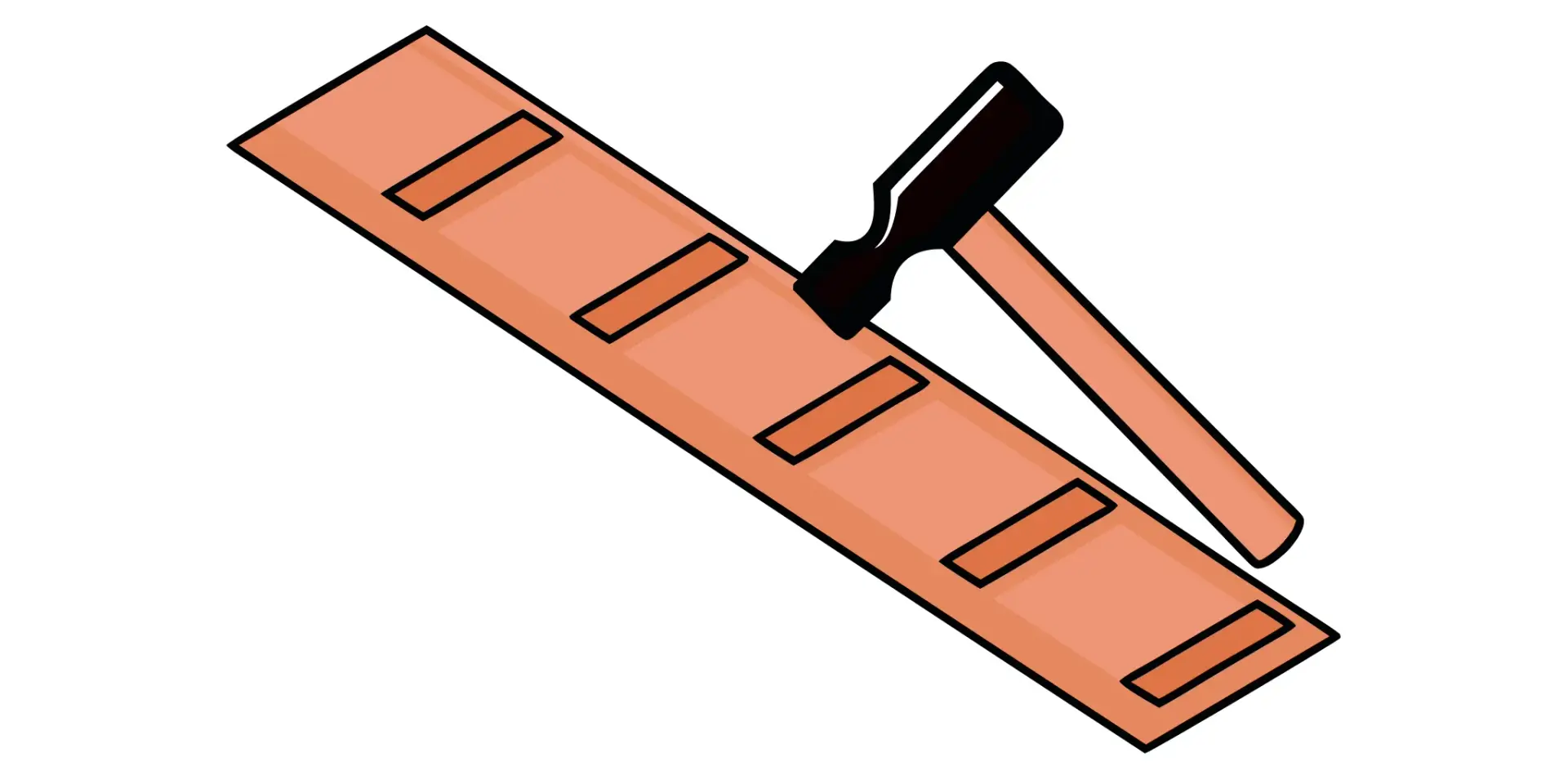
Have you ever seen a house with wavy, uneven siding? It’s a common sight, and it often points back to a single mistake made at the very beginning of the project. The culprit is almost always an improperly installed starter strip. This one piece dictates the alignment for the entire wall. If it’s even slightly off-level, that error gets magnified with every row, resulting in a crooked finish that’s impossible to fix without starting over. This guide is your key to avoiding that costly headache. We’ll walk you through every detail of a successful vinyl siding starter strip installation, ensuring your project starts strong and ends beautifully.
Key Takeaways
- Your chalk line is your most important guide: The success of your entire siding project depends on a perfectly level foundation. Take the time to find the lowest point of your wall and snap a straight chalk line to ensure every panel that follows is perfectly aligned.
- Give the siding room to move: Vinyl naturally expands and contracts with temperature changes. To prevent warping, drive nails in the center of the slot, leave a dime’s thickness of space under the nail head, and maintain a 1/4-inch gap between starter strip sections.
- Plan for corners and trim from the start: Proper placement is about more than just being level. Keep the ends of your starter strips about four inches away from corners to leave enough space for trim pieces to fit correctly for a clean, professional look.
Think of a vinyl siding starter strip as the foundation for your home’s new exterior. It’s the very first piece that gets installed, running horizontally along the bottom of the wall where the siding will begin. While it’s mostly hidden from view once the job is complete, its role is absolutely critical. Every other panel of siding will hook directly into this strip, locking it securely in place. Without a perfectly installed starter strip, you simply can’t have a straight, stable, and long-lasting siding installation. It truly sets the stage for the entire project, dictating the alignment and performance of every panel that follows.
Why It’s the Most Important First Step
This is the make-or-break moment for your siding project. Getting the starter strip installed correctly from the get-go helps the rest of the job go smoothly and look professional. If this first piece is even slightly off-level, every single row of siding installed above it will also be off-level, creating a visibly crooked appearance that’s impossible to hide. More importantly, an improperly installed strip can lead to serious issues down the road, like ugly bulges, buckles, or even tears in your siding. It’s the anchor for the whole system, so taking the time to get it right is essential for a flawless finish.
How It Guarantees a Level and Dry Finish
A professional installation always begins by finding the lowest point of the wall sheathing. This is the secret to ensuring your vinyl siding is perfectly level all the way around your house. Another key detail is leaving a small 1/4-inch gap between starter strip sections. This tiny space might not seem like much, but it allows the vinyl to safely expand and contract with New Jersey’s changing temperatures without warping. This careful placement not only provides that clean, straight look you want but also helps the siding system manage moisture effectively, keeping your home protected and dry for years to come.
Gather Your Tools and Materials
Getting organized before you start is one of the best things you can do for any home project. A little prep work saves you from making extra trips to the hardware store and helps the entire installation process go much more smoothly. You’ll want to gather all your tools and materials in one place so everything is within reach when you need it. This simple step ensures you can focus on getting the job done right, without any unnecessary interruptions.
Think of it as setting up your workshop right where you need it. By having your checklist ticked off and your safety gear ready, you’re not just preparing your workspace; you’re setting the stage for a professional-quality finish that you can be proud of for years to come.
Your Starter Strip Installation Checklist
The good news is you probably already have most of the tools you’ll need for this job. Before you begin, take a quick inventory. You’ll want a hammer, tape measure, tin snips, a utility knife, and most importantly, a level and chalk line. Establishing a perfectly straight and level line is the key to a flawless installation.
For materials, your list will include the vinyl siding, J-channels for around windows and doors, corner posts, and of course, the starter strips. Make sure you have enough galvanized roofing nails (usually 1 ¼ inches) to secure everything properly.
Essential Safety Precautions
Working on your home’s exterior requires a bit of caution, so let’s talk about safety. Always wear safety glasses and a good pair of work gloves to protect yourself from sharp edges and debris. It’s also a great idea to read the manufacturer’s instructions that come with your specific siding. Different brands can have slightly different requirements.
One of the most important tips is to use the starter strip designed for your siding. Mixing and matching brands can lead to a poor fit and potential installation issues down the road. And if you’re working on a ladder, always make sure it’s secure on level ground before you climb.
Getting your measurements and layout right is the most critical part of installing vinyl siding. Think of it as creating the blueprint for your project. A little extra time spent here ensures every panel that follows will be straight, level, and secure. This careful preparation prevents wavy lines and drainage problems down the road, giving you a professional-looking finish that lasts for years. Let’s walk through how to create a perfect foundation for your new siding.
Find the Lowest Point of Your Wall
Before you can place your first strip, you need a starting point. Your home’s foundation might look level, but it almost never is. That’s why you need to find the absolute lowest point of the wall sheathing, which are the wood panels under your old siding. Grab a tape measure and a long level to check different spots around the entire base of your house. Once you identify that single lowest spot, mark it clearly. This mark becomes the reference point for the entire project, ensuring your new siding installation starts on a perfectly level line, no matter what your foundation does.
Snap a Level Chalk Line
With your lowest point marked, you can now create a guide for the starter strip. From that mark, measure down 1/4 inch and make a new mark. This slight drop ensures the top of the starter strip will be hidden by the first course of siding. Now, it’s time to snap a straight, level chalk line from that new mark all the way around the building. This is much easier with a helper. One person holds the end of the chalk line on the mark while the other walks it around the house, snapping it against the wall to create a crisp, perfectly level guideline. This line shows you exactly where the top of your starter strip will go.
Set the Right Height for Drainage
Proper placement of the starter strip is about more than just looks; it’s essential for directing water away from your home. Position the starter strip so its top edge sits directly on the chalk line you just snapped. It’s also important to leave a small gap at the corners. You’ll want to keep the ends of the strip about 4 to 6 inches away from inside and outside corners. This space is necessary to allow room for your corner posts to be installed correctly. Getting this height and spacing right ensures that your siding system can effectively manage moisture and protect your home’s structure, working alongside your gutters to keep things dry.
How to Install the Starter Strip, Step-by-Step
With your layout marked and your tools ready, you can begin the installation. This process is straightforward, but every step requires attention to detail. Getting the starter strip right is the foundation for your entire siding project. A perfectly installed starter strip ensures the first course of siding locks in securely and that every subsequent course is level. Taking your time here will save you from major headaches later and lead to a professional-looking finish that you can be proud of. Let’s walk through each step together.
Prep the Wall Surface
Before you attach anything, make sure your wall is ready. The chalk line you snapped earlier is your most important guide. This single, straight line will dictate the position of the starter strip and, by extension, every panel of siding that follows. Double-check that the line is perfectly level all the way around the house. Any imperfections in the wall sheathing, like protruding nails or uneven spots, should be addressed now. A clean, smooth, and structurally sound surface is essential for a secure installation and a flawless final appearance that will last for years.
Position and Align the First Strip
Now it’s time to place your first piece of starter strip. Align the top edge of the strip directly with the chalk line you marked. Don’t install it all the way to the corner. You need to leave a specific gap to accommodate the corner posts. For standard one-piece corners, position the end of the starter strip 4 inches away from the corner. If you’re using wider corner systems, leave a 6.5-inch gap. This space ensures the corner trim fits properly and allows the siding to move naturally without buckling. Getting this alignment and spacing correct from the start is key to a smooth installation process.
Follow Proper Nailing Techniques
Proper nailing is critical for letting vinyl siding expand and contract with temperature changes. Use corrosion-resistant nails, like galvanized steel or aluminum, to prevent rust. Place your first nail about 4 inches from the end of the strip. Drive the nails into the center of the nailing slots, leaving about 1/16 of an inch (the thickness of a dime) between the nail head and the vinyl. This small gap is crucial. Nailing too tightly will restrict movement and cause the siding to buckle or warp when the temperature changes. Always fasten the nail straight and level to avoid putting pressure on the panel.
Use Shims to Correct Uneven Walls
Most walls aren’t perfectly flat. If you notice dips or bows in your wall, you’ll need to use shims. Shims are small, tapered pieces of wood or plastic that you can place behind the starter strip to create a straight, even plane. Simply slide a shim behind the strip in any low spots before you nail it down. This prevents the siding from following the wall’s imperfections, which can create a wavy look. Taking the time to shim correctly ensures your new siding installation looks straight and professional, giving your home that crisp, clean finish you’re aiming for.
Leave Room for Expansion
Just as you need to nail loosely, you also need to leave space between adjoining pieces of the starter strip. Vinyl expands in the heat and shrinks in the cold. To account for this movement, leave a 1/4-inch gap between the ends of each starter strip section. This expansion gap gives the material room to shift without pushing against the next piece, which prevents buckling and keeps your siding looking great for years. It’s a small detail that makes a huge difference in the longevity and durability of your project, so don’t be tempted to skip it.
How to Handle Corners and Obstacles
Even the straightest walls have features that require a bit of finesse. Corners, windows, and doors can seem tricky, but with a few key techniques, you can work around them for a seamless finish. The goal is to maintain a continuous, level line while ensuring your siding can properly drain water and has room to expand and contract with temperature changes. Planning for these obstacles from the start prevents headaches later and is a hallmark of professional-quality work.
Tackle Inside and Outside Corners
When you’re laying out your starter strips, it’s tempting to run them the full length of the wall. However, you need to account for the corner posts that will be installed later. A good rule of thumb is to leave at least four inches of space at each end of the wall. This gap provides the necessary room to fit the corner pieces properly, creating a clean, finished look for your home’s siding. Planning for this space now ensures your corners will be sharp and professionally aligned once the job is complete.
Work Around Windows and Doors
Proper water management is essential, especially around openings like windows and doors. When you install the J-channel (the trim that frames these openings), you can create small “drain tabs” to direct water away from the structure. To do this, cut the J-channel at the top of the window about an inch longer on each side. Then, fold these one-inch tabs down over the side channels. This simple step helps guide rainwater out and away, protecting your home and ensuring your new windows and siding last for years.
Cut Strips to the Perfect Length
As you approach the end of a wall where a corner piece will be installed, you’ll need to adjust the length of your starter strip. Cut the strip about four inches shorter than the wall’s full length. This gap is crucial because vinyl siding naturally expands and contracts with changing temperatures. Leaving this space allows the material to move without buckling or warping over time. This small detail makes a big difference in the durability and appearance of your siding, preventing issues down the road.
Common Installation Mistakes to Avoid
Getting the starter strip right is half the battle. A few common slip-ups can derail your siding project before it even begins, but thankfully, they’re easy to avoid. Let’s walk through the most frequent mistakes to ensure your project starts strong and looks professional for years to come.
Nailing Too Tightly
One of the biggest errors is nailing the starter strip too tightly against the sheathing. Vinyl siding needs to expand and contract with temperature changes, and tight nails prevent this natural movement, which can lead to warping and buckling. Remember the golden rule: hang it, don’t nail it. You should leave a small gap, about the thickness of a dime, between the nail head and the vinyl. The nail should be centered in the slot so the strip can slide freely from side to side. Following the proper nailing technique is essential for a durable finish that won’t be damaged by changing seasons.
Placing the Strip at the Wrong Height
The height of your starter strip is critical because it dictates the placement of every siding panel that follows. Its main job is to be completely hidden by the first course of siding while securely locking it in place. If you place the strip too high, its top edge will be visible, creating an unsightly line at the bottom of your wall. If it’s too low, the first panel won’t lock in securely, making it vulnerable to wind. Always align the top edge of the strip with your level chalk line and be sure to maintain the correct spacing from corners to ensure your trim fits perfectly.
Forgetting to Keep It Level
An unlevel starter strip guarantees that every panel above it will also be unlevel. A small error at the bottom becomes a very noticeable, crooked line by the time you reach the roofline. The human eye is excellent at spotting lines that aren’t parallel, so crooked siding will stand out against the straight lines of your windows, doors, and roof. Before installing the strip, double-check your chalk line with a long level. As you attach it, continue to check for level every few feet. This simple step is the most important thing you can do to achieve a straight installation and avoid a wavy, unprofessional appearance.
Ignoring Expansion Gaps
Just as vinyl expands and contracts in the heat and cold, it also moves lengthwise. When you’re installing multiple starter strips on a long wall, you must leave a small space between the ends of each piece. A gap of about 1/4 inch is standard. This gives the material room to grow in the summer heat without pushing against the next piece and buckling. Forgetting this step is a common cause of distorted siding. This rule applies to all your vinyl siding components, not just the starter strip, so it’s a great habit to build from the very beginning of your project.
Prefer a Professional Touch? We Can Help
While tackling a DIY project can be rewarding, installing a vinyl siding starter strip requires a great deal of precision. If you’re feeling a bit overwhelmed by the technical details, that’s completely normal. Getting this first step wrong can compromise your entire siding project, leading to uneven lines, poor water drainage, and a finish that just doesn’t look right. Your home’s exterior is its first line of defense, and ensuring it’s done correctly is a smart investment.
Hiring a professional team for your siding installation guarantees the job is done right from the very beginning. Experts have the right tools and the experience to establish a perfectly straight reference line, ensuring every course of siding that follows is level. Quality vinyl siding can last for decades, but only when it’s installed correctly. We follow manufacturer specifications to the letter, using the right starter strips and trim elements to create a seamless and durable barrier against the elements.
At Garden State Brickface and Siding, we’ve spent years perfecting our craft. Our team handles everything from preparing the wall surface to working around tricky corners and windows, ensuring a flawless finish every time. We take the guesswork out of the equation, giving you peace of mind and a beautiful result that adds value to your home. If you’d rather leave it to the experts, we’re here to help. Contact us today to see how we can give your home the perfect start it deserves.
Related Articles
Frequently Asked Questions
What if my foundation is uneven? How do I get a straight line? This is a very common situation, as most foundations aren’t perfectly level. The key is to ignore the foundation and create your own level reference point. You’ll do this by finding the single lowest point of the wall sheathing around your entire house. Once you find that spot, you’ll use a level and chalk line to snap a perfectly straight line around the home. This line becomes your guide, ensuring the siding looks straight even if the ground beneath it isn’t.
Why can’t I just nail the starter strip tightly to the wall? Vinyl siding needs to be able to move. It naturally expands in the heat and shrinks in the cold, and if it’s nailed down too tightly, it has nowhere to go. This restriction is what causes ugly warping, buckling, and waviness over time. By leaving a small gap (about the thickness of a dime) between the nail head and the vinyl, you allow the strip to slide freely along the nail as the temperature changes, keeping it flat and secure.
Can I use any brand of starter strip with my vinyl siding? It’s always best to use the starter strip made by the same manufacturer as your siding panels. While they might look similar, different brands can have slightly different locking mechanisms. Using a mismatched strip could result in a poor connection, making the first course of siding less secure. Sticking with one brand ensures a perfect fit and often keeps your product warranty intact.
What’s the worst that can happen if my starter strip isn’t perfectly level? An unlevel starter strip will cause every single panel installed above it to also be unlevel. A small mistake at the bottom becomes a very obvious, diagonal line by the time you get to the top of the wall. Your eyes are great at spotting lines that aren’t parallel, so crooked siding will clash with the straight lines of your roof, windows, and doors, creating a very unprofessional look.
How do I know if this is a project I can handle myself? If you’re comfortable with precise measurements, have all the right tools, and feel confident you can create a perfectly level line around your entire home, you might be ready to take this on. However, if you have any doubts, especially about establishing that critical first line or dealing with uneven walls, it’s smart to call a professional. The starter strip is the foundation for the entire job, and getting it right is essential for a lasting, beautiful result.