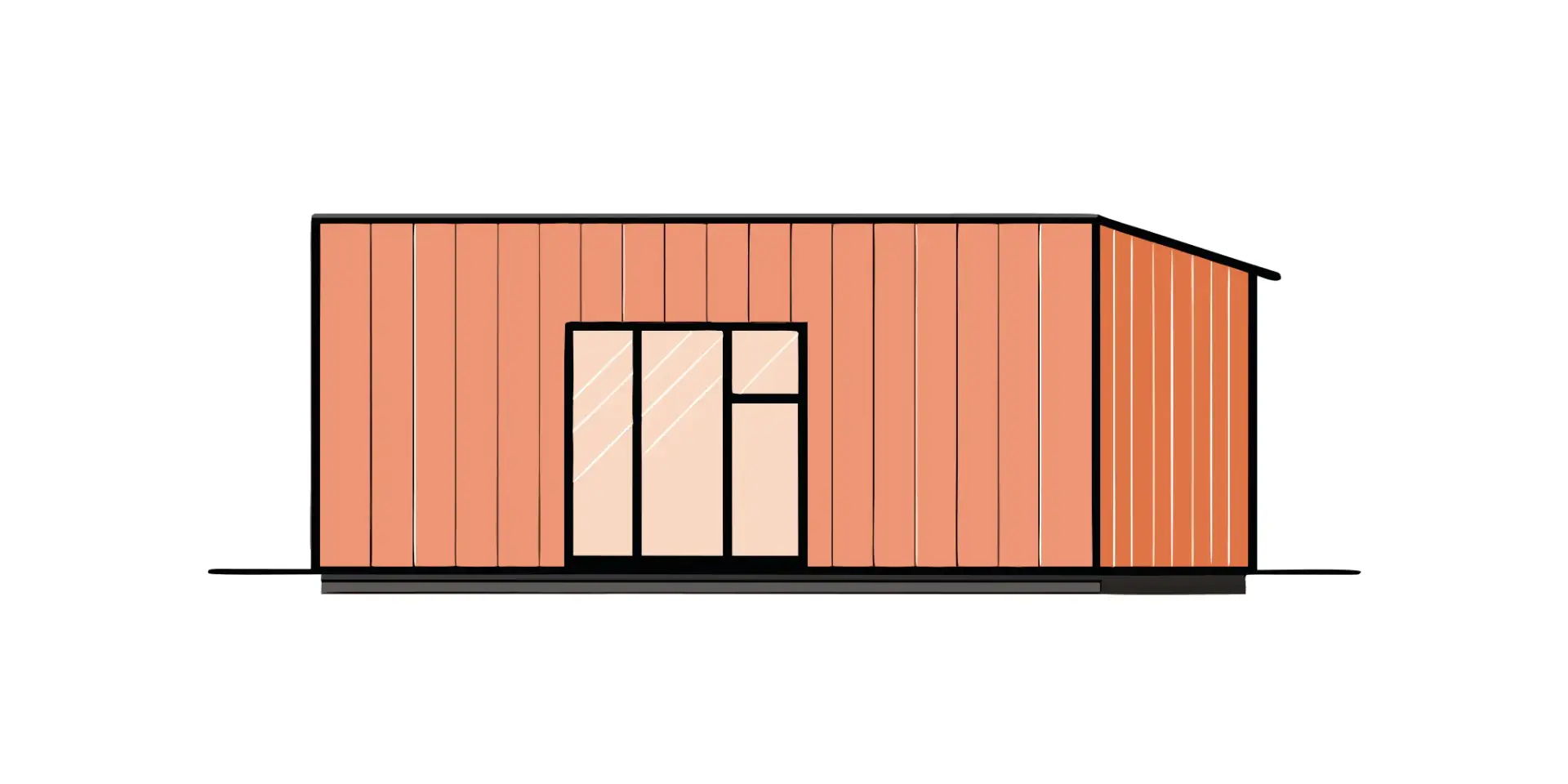
When you start researching siding, it’s easy to get overwhelmed by conflicting information and common myths. You might hear that certain materials are too heavy, too expensive, or too limited in style. We’re here to set the record straight about one of the most trusted names in the industry. Hardie Panel siding is a top choice for millions of homeowners, but misconceptions can cause confusion. Is it really worth the investment? Is it too heavy for your home? We’re going to bust these myths and give you the facts so you can feel confident in your decision and understand what makes this material a superior choice.
Key Takeaways
- Choose a material built for New Jersey weather: Hardie Panel siding is made from fiber cement, a tough material that resists fire, pests, rot, and moisture, making it a smart, low-maintenance choice that stands up to our local climate.
- Expert installation is essential: The performance of your siding and its 30-year warranty depend on correct installation, so hiring a trained professional is the only way to prevent moisture issues and ensure your investment is protected.
- Design a home exterior you love: This siding provides incredible style flexibility with a wide selection of colors and textures, from smooth and modern to a classic wood-grain look, so you can create a beautiful home without compromising on strength.
What Exactly Is Hardie Panel Siding?
When you’re thinking about updating your home’s exterior, you’ll likely come across Hardie Panel siding. It’s a popular choice for good reason, offering a blend of modern style and serious durability that many homeowners are looking for. But what is it, really? And how does it compare to the siding options you might be more familiar with, like vinyl or wood? Let’s get into the details so you can see if it’s the right fit for your home.
What it’s made of
Hardie® Panel siding is a type of vertical siding that can give your home a fresh, new look. It’s made from fiber cement, a composite material known for being incredibly tough and long-lasting. Think of it as a super-strong blend of cement, sand, and cellulose fibers, all mixed together and cured with pressurized steam. This process creates a dense, durable board that’s engineered to handle just about anything. The result is a beautiful, protective layer for your home that maintains its integrity for decades, making it a smart investment for any homeowner.
How it’s different from vinyl and wood
So, what makes fiber cement stand out from the crowd? Simply put, Hardie board is built like a tank. It can take on hail, harsh sun, rot, insects, and even fire. Unlike wood, it won’t be a meal for termites, and unlike vinyl, it won’t melt or warp when exposed to heat. James Hardie siding has a high fire rating, giving you an extra layer of protection and peace of mind. It’s specifically made to last in different kinds of weather, which is a huge plus for homes here in New Jersey.
While the initial investment for Hardie siding is more than vinyl, it’s often more affordable than premium wood options like cedar. One crucial thing to remember is that it must be installed by trained professionals to perform properly. An incorrect installation can lead to moisture issues and even void the warranty. That’s why working with an experienced team is so important to ensure your home is protected and your investment pays off for years to come.
Why Choose Hardie Panel Siding?
When you invest in your home’s exterior, you want something that looks great and lasts. Hardie Panel siding delivers on both fronts, offering a powerful combination of durability, safety, and style. It’s engineered to handle the specific challenges of our New Jersey climate, giving you peace of mind and a beautiful home for decades. Unlike wood that requires constant upkeep or vinyl that can look flimsy, fiber cement provides a substantial, high-end appearance without the demanding maintenance schedule. It’s a smart investment that not only protects your home but also enhances its curb appeal and value. The technology behind it is specifically designed to resist common problems that plague other materials, like moisture damage, pest infestations, and fading from the sun. Choosing Hardie Panel siding means you’re opting for a long-term solution that keeps your home looking its best year after year, through every season. It’s more than just a protective layer; it’s a statement about the quality and care you put into your home. From its fire-resistant properties to its ability to hold paint longer, every feature is designed with the homeowner in mind, providing a reliable and beautiful exterior you can count on.
Stands up to any weather
New Jersey weather is anything but predictable. We get everything from humid, salty air at the shore to heavy snow and ice inland. Hardie Panel siding is specifically designed to perform well in your local climate, protecting your home from whatever Mother Nature throws its way. Unlike wood that can swell and rot or vinyl that can crack in the cold, fiber cement remains stable. It resists damage from high winds, heavy rain, and freezing temperatures, so you don’t have to worry about your home’s first line of defense during a nor’easter. This makes it one of the most reliable siding options available for protecting your investment year-round.
Protects your home from fire
Your family’s safety is always the top priority, and your home’s exterior plays a big role in its protection. Hardie Panel siding is non-combustible, meaning it won’t ignite when exposed to a direct flame, nor will it contribute fuel to a fire. While wood siding goes up in smoke and vinyl siding melts almost instantly, fiber cement gives you invaluable, fire-resistant protection. This siding is tough and won’t burn, giving you and your family critical time in an emergency. This level of safety is why many homeowners also pair it with other durable materials like stone veneer for a home exterior that is as safe as it is beautiful.
Enjoy a low-maintenance exterior
Let’s be honest, you’d rather spend your weekends enjoying your home than working on it. Hardie Panel siding is a low-maintenance choice that helps you do just that. Forget the endless cycle of scraping, sanding, and repainting that comes with wood siding. James Hardie’s ColorPlus® Technology involves a factory-applied, baked-on finish that resists fading, chipping, and cracking. This means your home’s color stays vibrant for years with nothing more than a simple wash with a garden hose and a soft brush. Choosing a low-maintenance exterior means you can focus on what matters most, knowing your home continues to look its best without constant effort.
Resists pests and moisture damage
Nothing compromises a home’s structure faster than moisture and pests. Fortunately, Hardie Panel siding is unappealing to both. Pests like termites and woodpeckers simply aren’t interested in fiber cement, saving you from costly and frustrating repairs. Plus, James Hardie uses top-notch materials to make the siding extra strong and protect it from moisture. It resists damage from water, so it won’t swell, rot, or warp in New Jersey’s humid summers. By preventing moisture from getting in, it also helps stop mold growth, protecting your home’s structure and your family’s health. Proper gutters are also key to moisture management, working with your siding to keep your home dry.
Find Your Perfect Style
Choosing new siding is one of the most impactful ways to update your home’s curb appeal. It’s your chance to define its personality. While we’ve covered the durability and protective qualities of Hardie Panel siding, let’s get to the fun part: the aesthetics. This isn’t just a practical upgrade; it’s a design choice that reflects your personal taste.
Hardie Panel siding offers incredible versatility, allowing you to create a look that’s uniquely yours. Whether you’re aiming for a sleek, modern facade or a warm, traditional feel, the right combination of texture, color, and application can bring your vision to life. Forget the one-size-fits-all solutions of the past. With so many options, you can design an exterior that not only protects your home but also makes you proud every time you pull into the driveway. The vertical orientation of the panels can add a sense of height and distinction, setting your home apart from others on the block. It’s a powerful tool for architectural expression.
Thinking about your home’s exterior as a blank canvas can be exciting. The choices you make for your siding will set the tone for your entire property. Do you want a home that feels grounded and traditional, or one that looks sharp and contemporary? Hardie Panel siding can achieve both. In the sections below, we’ll walk through the specific elements you can customize, from the subtle feel of the finish to the exact shade that will make your neighbors take notice. This is your opportunity to create a home that truly feels like you, from the inside out.
Explore textures and finishes
The texture of your siding plays a huge role in your home’s overall character. Hardie Panel siding gives you plenty of options to get the exact look you want. You can choose a smooth finish for a clean, contemporary appearance that feels crisp and minimalist. If you prefer something with more dimension, a textured finish can mimic the look of natural materials like wood or stucco, adding warmth and depth to your exterior walls. This versatility means you can achieve a high-end look without the demanding upkeep of other materials. You can even mix and match textures with other materials, like stone veneer, to create a truly custom design.
Pick from a wide range of colors
One of the best features of Hardie Panel siding is the stunning color selection available through its ColorPlus® Technology. Instead of being painted after installation, the color is baked on in the factory. This process ensures a consistent, vibrant finish that resists fading, chipping, and cracking, so your home looks freshly painted for years. You can choose from a curated palette of beautiful colors designed to complement any home style. This factory finish not only looks better and lasts longer but also saves you the time and expense of painting your house right after your new siding is installed. It’s a smarter way to get a beautiful, long-lasting exterior.
Match your home’s architecture
Hardie Panel siding is a fantastic choice for a wide range of architectural styles, from classic colonials to modern masterpieces. Its clean, vertical lines can make a home feel taller and more stately. For a popular and timeless look, you can combine Hardie Panel with Hardie Trim Batten boards to create the classic board-and-batten style often seen on modern farmhouses. On a contemporary home, smooth panels provide a sleek, uncluttered look. You can also use it as an accent on gables or dormers to add visual interest to a more traditional design. This adaptability makes it a go-to material for achieving a cohesive and polished exterior that honors your home’s original design.
Hardie Panel vs. Other Siding
Choosing the right siding for your home is a big decision, and it’s smart to weigh all your options. While materials like vinyl and wood have been popular for years, Hardie Panel siding offers a unique combination of strength, beauty, and longevity that sets it apart. Understanding how it compares to other common choices can help you see why it’s such a great investment for New Jersey homeowners. When you’re ready to protect and beautify your home’s exterior, you want a material that can handle anything our local weather throws at it, from humid summers to icy winters. Let’s break down how Hardie Panel measures up against the competition.
How it stacks up against vinyl
Vinyl siding is a popular choice for many homeowners because it’s affordable and relatively low-maintenance. It’s a practical option that gets the job done. However, when it comes to standing up to harsh weather, Hardie Panel has a clear advantage. While vinyl can crack in freezing temperatures or warp under intense sun, fiber cement is engineered to resist these extremes without losing its shape or integrity. It’s a tougher material that provides a higher level of protection and durability over the long run. If you’re looking for a premium exterior that offers both style and substance, exploring different siding options will show you just how much stronger fiber cement can be.
Why it’s better than wood
There’s no denying the classic beauty of wood siding, but its natural charm comes with significant drawbacks. Wood is vulnerable to rot, moisture damage, and pests like termites. It also requires regular scraping, staining, and painting to keep it looking its best. Hardie Panel, on the other hand, is built like a tank. It’s engineered to resist rot, insects, and even fire. A common myth is that you have to sacrifice style for this kind of strength, but that’s simply not true. Hardie Panel comes in a wide array of colors and textures, including finishes that beautifully mimic the look of real wood grain, giving you the best of both worlds without the constant upkeep.
Is it worth the investment?
Hardie Panel siding does have a higher upfront cost than vinyl, but it’s an investment that pays off for years to come. To perform correctly and maintain its warranty, it must be installed by trained professionals who understand the material’s specific requirements. This expert installation ensures your home is protected from moisture and the siding lasts as long as it should. Plus, James Hardie products come with a 30-year, non-prorated warranty that can even be transferred to a new owner if you sell your home. This long-term protection and added home value make it a smart financial decision. When you choose a durable material like stone veneer or fiber cement, you’re investing in your home’s future.
What to Expect During Installation
Choosing Hardie panel siding is a fantastic step toward a beautiful, durable home exterior. But the quality of the material only shines when it’s installed correctly. The installation process is where the magic happens, transforming panels into a protective and stylish shield for your home. Understanding the key steps and why professional handling is so important will help you feel confident as your project gets underway. It’s not just about putting up panels; it’s about meticulous preparation, precise techniques, and a flawless finish that will last for decades.
Why you need a professional installer
While the DIY spirit is admirable, installing Hardie panel siding is a job best left to the experts. James Hardie requires trained professionals to install its products to ensure they perform as designed. An improper installation can do more than just look sloppy; it can completely void your warranty, leaving you without protection. More importantly, mistakes can lead to significant moisture issues that compromise your home’s structure. A certified installer has the training to handle the material correctly, ensuring every panel is properly placed, secured, and sealed. This professional touch guarantees your investment is protected and your home’s siding will stand the test of time against New Jersey’s weather.
The right tools and techniques for the job
Installing Hardie panel siding isn’t like working with vinyl or wood. It’s a heavier, cement-based material that requires specialized tools for cutting and fastening. Professionals use specific techniques to make sure every detail is perfect. Proper fastening and sealing are absolutely critical for a durable, long-lasting home exterior. This means using the right type of nails, placing them in the exact right spots, and ensuring every seam is perfectly sealed to keep water out. Taking meticulous care during this process is what ensures your siding is secure and can withstand anything from summer storms to winter freezes. It’s this attention to detail that separates a standard job from a superior one.
Understanding the project timeline
A professional siding project follows a clear, organized process. First, the team will prepare the site, protecting your landscaping and setting up for the work ahead. Next comes the removal of your old siding and a thorough inspection of the wall sheathing underneath. This is a crucial step to identify and repair any existing damage. After that, the installation of your new Hardie panels begins, followed by trim work, caulking, and painting if needed. The final step is a complete cleanup, leaving your property looking better than when the project started. The total timeline can vary depending on your home’s size and the weather, but your contractor should give you a clear estimate before they begin.
Avoid these common installation mistakes
A lot can go wrong with an inexperienced installer. Some of the most common mistakes include leaving improper clearance between the bottom of the siding and the ground, which can wick up moisture and cause damage. Incorrect nail placement is another major issue; over-driving or under-driving nails can cause panels to crack or sit improperly. One of the biggest errors is skipping or incorrectly installing flashing around windows and doors, which is a direct invitation for water to get behind your siding. Finally, poor joint sealing leaves gaps that compromise both the look and the weather resistance of your home. A professional knows how to avoid these pitfalls, ensuring a flawless and watertight installation.
Breaking Down the Cost of Hardie Panel Siding
When you’re planning a major home exterior project, the budget is always a top concern. Investing in Hardie Panel siding involves more than just the price of the panels themselves. The total cost includes materials, professional labor, and long-term value. Understanding these components helps you see why this premium siding is such a smart investment for your home. Let’s walk through what you can expect.
What affects the material price?
The upfront cost of Hardie Panel siding is higher than vinyl, and for good reason. You’re paying for a durable, high-performance material that has been trusted on millions of homes. The price of the panels can vary based on the specific style you choose. For instance, panels with a smooth finish might have a different price point than those with a textured wood grain. Opting for James Hardie’s pre-finished ColorPlus® Technology will also affect the cost, but it saves you the immediate expense and hassle of painting after installation. Think of it as investing in a siding solution that’s built to last from day one.
Factoring in installation costs
This is one area where you absolutely shouldn’t cut corners. James Hardie siding requires professional installation to ensure it performs as designed and to keep its warranty intact. Improper installation can lead to moisture problems and other serious issues down the road. The cost of labor reflects the specialized training and equipment needed to handle fiber cement correctly. A professional crew knows how to cut the panels safely, use the right fasteners, and manage details like trim and flashing. The complexity of your home’s design, like multiple stories or unique architectural features, will also play a role in the final installation price.
Calculating your long-term return on investment
While the initial cost might be higher, Hardie Panel siding pays you back over time. Its low-maintenance design means you won’t be spending money on frequent repairs or repainting that wood siding often requires. Plus, it comes with a 30-year transferable warranty, which is a fantastic selling point if you ever decide to move. Because it’s resistant to fire, pests, and harsh weather, you might even see a reduction in your homeowner’s insurance premiums. When you look at the total cost of ownership, you’ll find that choosing a durable exterior like Hardie Panel is a wise financial decision for protecting and improving your home’s value, much like investing in quality windows or roofing.
How to Maintain Your Hardie Panel Siding
One of the best things about Hardie Panel siding is how little you have to do to keep it looking fantastic. Unlike wood
Your simple cleaning routine
Keeping your Hardie Panel siding clean is surprisingly simple. You don’t need any harsh chemicals or complicated equipment. For routine cleaning, just wash the siding once or twice a year with a soft brush, like the kind you’d use on a car, and some soapy water. Gently scrub away any dirt or grime, then rinse thoroughly with a garden hose. If you prefer using a power washer, make sure to keep it on a low-pressure setting and stay a safe distance from the siding to avoid causing damage. This quick wash is usually all it takes to remove everyday dust and keep your home’s exterior siding looking fresh and vibrant.
When to repaint or touch up
Hardie Panel siding often comes with ColorPlus® Technology, a factory-applied finish that’s baked on for incredible durability and fade resistance. This means you won’t be dealing with the frequent peeling and chipping that happens with painted wood. However, it’s still a good idea to walk around your house every year or so and look for any areas that might need a little attention. If you spot any minor scratches or dings, a small touch-up can prevent them from becoming bigger issues. A full repaint is rarely needed for many, many years, but addressing small imperfections as they appear will keep your siding looking flawless.
Create your annual inspection checklist
A quick annual inspection is your best tool for catching potential problems early. As you walk around your home, pay close attention to the caulking around your windows and doors. Make sure the seals are tight and intact to prevent any water from getting behind the panels. Also, look for any signs of moisture issues, like discoloration or mildew, which can sometimes indicate an installation problem. Checking these key areas once a year helps you stay ahead of maintenance and ensures your siding continues to protect your home effectively. If you spot anything concerning, it’s always best to call in a professional.
Common Myths About Hardie Panel Siding, Busted
When a home exterior product is as popular as Hardie Panel Siding, it’s no surprise that some myths and misconceptions start to circulate. It’s easy to get conflicting information, which can make a big decision feel even more stressful. Let’s clear the air and look at the facts behind some of the most common myths so you can feel confident about your choice. Understanding the truth about its weight, style options, and quality will help you see why it’s such a trusted material for homeowners.
Myth: It’s too heavy for my house
One of the first concerns homeowners have is about the weight of fiber cement. It’s true that Hardie Panel Siding is more substantial than vinyl, but that density is part of what makes it so durable. The key thing to know is that it’s not too heavy for a structurally sound home. James Hardie products are specifically engineered to be installed safely on all kinds of houses without causing any structural issues. A professional installation team will always evaluate your home’s framing to ensure it can easily handle the load, giving you peace of mind along with a beautiful, long-lasting exterior.
Myth: The style options are limited
This is one of the biggest misconceptions out there. The idea that choosing Hardie siding means settling for a plain, boxy look couldn’t be further from the truth. In reality, you have a huge range of design possibilities. Hardie products come in an extensive palette of colors, from timeless neutrals to deep, dramatic shades. You can also choose from various textures, whether you love the classic look of wood grain or prefer a sleek, smooth finish for a more modern feel. This versatility makes it easy to find the perfect siding to match your home’s unique architecture and your personal style.
Myth: All fiber cement is created equal
It’s easy to assume that if two products are called “fiber cement,” they must be the same. However, this is a critical mistake. The James Hardie brand is known for its unique formulation, which is engineered to perform in specific climates. Their siding is designed to handle the harsh weather we experience in New Jersey, from humid summers and freezing winters to coastal storms. Competing products might not offer the same level of durability against moisture, cracking, or fading. When you choose Hardie siding, you’re investing in a material that has been proven to last, unlike other generic stucco or siding options that may not hold up over time.
Is Hardie Panel Siding a Smart Choice for Your NJ Home?
When it comes to protecting your home, you need an exterior that can handle everything New Jersey throws at it. Hardie Panel siding is an excellent choice for Garden State homeowners because it’s specifically engineered to withstand our unique climate. From humid, salty air at the shore to icy winters inland, this material provides a durable and long-lasting shield for your home.
However, the siding itself is only part of the equation. A successful project depends entirely on proper installation. To get the full benefits and ensure your home is protected, you need a team that understands both the product and the specific requirements of New Jersey building codes. Choosing a qualified, local contractor ensures your investment not only looks great but also performs as promised for decades, keeping your home safe and secure. This is why pairing a top-tier product like Hardie Panel with expert siding installation is the smartest move you can make.
Built for Northeast weather
New Jersey weather is anything but predictable. We get intense summer sun, heavy rain, freezing snow, and powerful coastal storms. Hardie Panel siding is designed to stand up to all of it without cracking, warping, or rotting. Unlike wood, it won’t swell and shrink with our humid summers and cold winters, which means your paint finish will last longer without chipping or peeling. It’s also built to resist damage from wind-blown debris during a nor’easter. This resilience makes it a practical, low-maintenance option that keeps your home looking its best no matter the season. You can feel confident that your home’s exterior is built to perform in our local climate.
Meeting New Jersey building codes
Proper installation is critical for siding to do its job. If it’s not installed correctly, you can face serious issues with moisture, which can lead to rot and structural damage. Plus, an improper installation can void the manufacturer’s warranty, leaving you without protection. That’s why James Hardie siding must be installed by trained professionals who follow specific guidelines. A certified installer understands New Jersey’s building codes and ensures every panel is correctly fastened and sealed. This protects your home from the elements and guarantees your warranty remains intact, giving you total peace of mind that your project is done right the first time.
Why trust Garden State Brickface and Siding
Choosing a premium product like Hardie Panel siding is a great first step. The next is finding a contractor you can trust to install it perfectly. As a leader in the industry, James Hardie makes products that are tough against fire, pests, and weather, helping homes last longer. At Garden State Brickface and Siding, we match that high standard with our own commitment to quality craftsmanship. With decades of experience working on homes throughout New Jersey, we have the local expertise to ensure your siding is installed to meet both manufacturer specifications and local building codes. Our team is dedicated to giving you a beautiful, durable exterior that protects your home for years to come.
How to Hire the Right Hardie Panel Siding Contractor
Choosing Hardie Panel siding is a fantastic investment in your home’s durability and curb appeal. But even the best materials can fail if they aren’t installed correctly. Finding a skilled contractor is the key to making sure your
Look for these qualifications
Your top priority should be finding a contractor with specific experience installing James Hardie products. This isn’t a job for a general handyman. Because James Hardie siding must be installed by trained professionals to perform properly, an incorrect installation can void your warranty and lead to serious moisture issues. Look for contractors who are part of the James Hardie™ Contractor Alliance, as this shows they have access to the brand’s specific training and tools. A certified installer understands the unique requirements of fiber cement and will ensure every panel is placed for maximum performance and longevity.
Key questions to ask your installer
Once you have a few potential contractors in mind, it’s time to ask some direct questions. Don’t be shy; a reputable professional will be happy to provide clear answers. Start by asking about their specific experience with Hardie Panel siding and request to see a portfolio of their completed projects. You should also ask them to walk you through their installation process from start to finish. Inquire about their team’s training and whether they are insured. Finally, ask for a few recent references you can speak with. Getting firsthand feedback from other homeowners is one of the best ways to gauge a contractor’s reliability and quality of work.
Warning signs to watch out for
Just as important as knowing what to look for is knowing which red flags to avoid. Be cautious of any contractor who offers a significantly lower bid than others, as this could indicate cut corners or subpar materials. If a contractor is hesitant to provide references or show you proof of their insurance and licensing, consider it a major warning sign. You should also be wary of anyone who can’t explain common installation mistakes, like improper ground clearance or incorrect nail placement. High-pressure sales tactics or a demand for a large upfront cash payment are also clear indicators that you should walk away and find a more professional team.
Related Articles
How long can I expect Hardie Panel siding to last? With professional installation and basic maintenance, Hardie Panel siding is designed to last for decades. James Hardie is so confident in its durability that the product comes with a 30-year, non-prorated warranty. This means you can expect your home to be protected from the elements for a very long time, making it a lasting investment.
Is the higher upfront cost really worth it compared to vinyl? While the initial investment is more than vinyl, the long-term value is significant. Hardie Panel siding is far more durable, resisting damage from weather, fire, and pests that can plague other materials. You also save money over time because it requires very little maintenance and holds its color for years, so you won’t face the constant expense of repairs and repainting.
Can I change the color of my siding in the future? Absolutely. Although the factory-applied ColorPlus® finish is designed to last for years without fading, you can paint your Hardie Panel siding if you decide you want a new look down the road. It holds paint very well, but you’ll want to make sure the surface is properly cleaned and prepped before you begin to ensure a beautiful, long-lasting finish.
Why is professional installation so important for this type of siding? Hardie Panel siding is a specialized, cement-based material that requires specific tools and techniques to be installed correctly. An improper installation can lead to moisture getting behind the panels, which can cause serious damage to your home’s structure. Plus, using a certified professional is required to keep your 30-year warranty valid.
How does Hardie Panel siding handle the salt air at the Jersey Shore? It performs exceptionally well in coastal environments. The material is engineered to resist damage from moisture and salt spray, which can cause wood to rot and other materials to corrode or degrade. Its durable composition ensures it won’t warp or swell in the humid, salty air, making it an ideal choice for homes along the Jersey Shore.