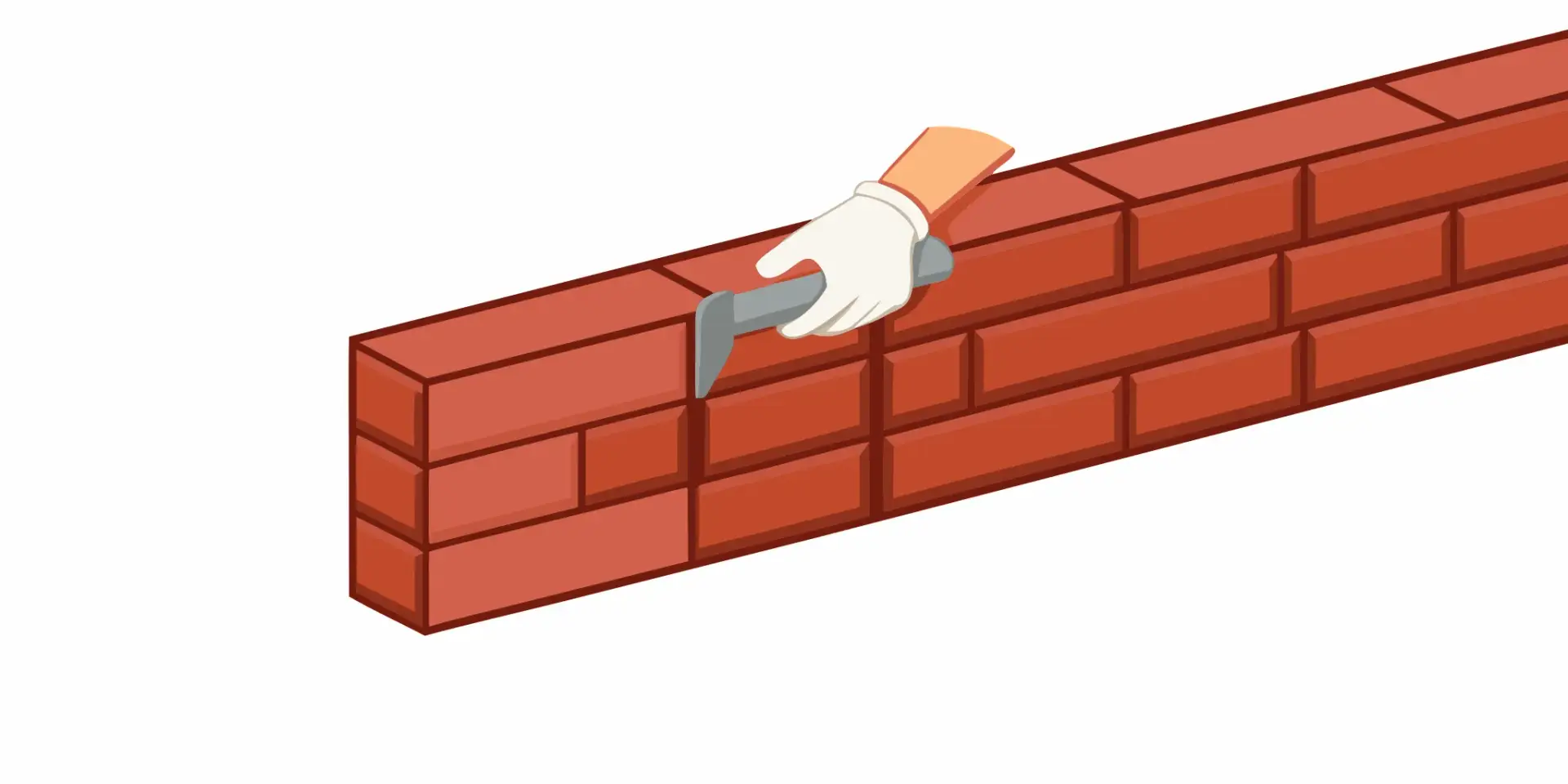
That sandy dust on your patio might be more than just dirt. It could be a sign that the mortar holding your brick or stone exterior together is starting to fail. While it’s easy to ignore those small cracks and crumbling bits, they are your home’s way of telling you it needs attention. This isn’t just a cosmetic issue; failing mortar can let water seep into your walls, leading to much bigger and more expensive problems. The good news is that you can often handle this yourself. This guide will walk you through everything you need to know about masonry mortar repair, from identifying the problem to choosing the right materials and getting a professional-looking finish.
- Choose the right mortar for the job: Using the correct mortar type is critical; select a flexible mix like Type N for general brick repairs and a stronger one like Type S for structural work to avoid damaging your masonry.
- Proper prep is the foundation of a good repair: Before applying anything new, you must chip out all the old, failing mortar and thoroughly clean the joints to ensure the new material forms a strong, lasting bond.
- Don’t rush the curing process: Give your new mortar time to harden correctly by letting it cure for several days and misting it with water occasionally, which prevents cracks and helps it reach maximum strength.
What Is Masonry Mortar and When Should You Repair It?
Think of masonry mortar as the glue that holds your brick, stone, or stucco exterior together. It’s the hardworking material that fills the gaps, bears the load, and seals your home from the elements. While it’s incredibly durable, mortar isn’t invincible. Over time, weather and wear can take their toll, and small issues can turn into big problems if left unchecked. Knowing what mortar is made of and what to look for can help you catch potential issues early, saving you from more extensive and costly repairs down the road. Regular inspection is key to maintaining your home’s structural integrity and curb appeal.
What’s in Masonry Mortar?
At its core, masonry mortar is a simple but effective paste. It’s a specific blend of a cementitious material (like Portland cement), fine sand, and just enough water to make it workable. This mixture is designed to be strong enough to hold masonry units together but also slightly softer than the bricks or stones themselves. This is intentional. If your house settles or shifts, the mortar is designed to crack first, protecting the more expensive masonry from damage. Different projects require different mortar strengths, which is why you’ll find various types available for everything from general resurfacing to heavy-duty structural work.
Signs Your Mortar Needs Repair
You don’t need to be an expert to spot failing mortar. Take a walk around your home and look closely at the joints between your bricks or stones. Do you see any thin, hairline cracks? Is the mortar crumbling away when you touch it, or does it look like it’s receding behind the face of the brick? These are classic signs that your mortar is weakening. You might also notice gaps forming between the mortar and the masonry units. These gaps are an open invitation for water to seep into your walls, which can lead to serious problems. Pay special attention to corners and areas under windows, as these spots are often the first to show wear.
Why Mortar Deteriorates Over Time
Mortar breakdown is a natural process caused primarily by one thing: moisture. New Jersey’s weather cycles are particularly tough on masonry. When water from rain or melting snow gets into small cracks in the mortar, it can freeze and expand, a process known as the freeze-thaw cycle. This expansion acts like a tiny wedge, forcing the cracks to get bigger over time. Eventually, this cycle can cause the mortar to crumble and fall out. House settling, direct sun exposure, and foundation shifts can also create stress that leads to cracks. Addressing deteriorating mortar is crucial for preventing water from damaging your home’s interior and compromising your chimney or masonry structure.
How to Choose the Right Mortar for Your Project
Walking down the aisle of a home improvement store, you’ll see several bags labeled “mortar mix.” It might seem like they’re all the same, but grabbing the wrong one can compromise your entire project. Mortar is more than just the “glue” that holds bricks together; it’s a structural component with specific properties designed for different jobs. Choosing the right type ensures your repair will be strong, durable, and able to withstand the elements. It’s about matching the mortar’s strength and flexibility to the needs of your specific wall or structure. Let’s break down the common types so you can pick the perfect mix for your repair.
Type N: For General Repairs
Think of Type N as your go-to, all-purpose mortar for most common repairs. It’s perfect for above-grade projects on exterior walls, chimneys, and general brickwork. With a compressive strength of around 750 psi, it’s strong enough for the job but also has enough flexibility to accommodate the natural expansion and contraction that happens with temperature changes. This makes it an excellent choice for repairing softer stones or older bricks without causing damage. Because it adheres well to many materials, it’s a reliable option for most non-load-bearing masonry repairs you’ll encounter around your home.
Type S: For Structural Support
When your project needs a bit more muscle, Type S mortar is the right choice. It has a much higher compressive strength, around 1,800 psi, making it suitable for jobs that require more structural integrity. You’ll want to use Type S for projects at or below ground level, like foundations, retaining walls, or brick patios. Its superior bond and durability help it withstand pressure from soil and moisture, which is why it’s often used for below-grade applications. If you’re working on a structure that bears a significant load, Type S provides the necessary strength and support to ensure a long-lasting, stable repair.
Type M: For Heavy-Duty Projects
Type M is the heavyweight champion of mortars. Boasting the highest compressive strength at 2,500 psi, it’s designed for serious, heavy-duty applications. You’ll typically find Type M used in projects that require maximum structural support, such as stone foundations, retaining walls holding back significant earth, or other masonry that bears extreme weight. Because of its incredible strength, it’s less flexible than other types, so it’s best reserved for specific, high-load situations. For most DIY home repairs, Type M is probably overkill, but it’s the undisputed choice for load-bearing masonry construction where strength is the top priority.
How to Match Your Mortar’s Color and Texture
Beyond strength, a good repair should blend in seamlessly with the existing masonry. Mismatched mortar can stick out like a sore thumb, so take the time to match the color and texture. Mortar color comes from the sand used in the mix, but you can also add pigments to get it just right. You can find pre-mixed colored mortars or buy pigments separately to create a custom shade. The texture is determined by the coarseness of the sand. To match an older, rougher texture, use a coarser sand. For a smoother finish, use finer sand. Paying attention to these details is the key to making your repair look professional and practically invisible. You can even use additives to get the texture just right.
A Step-by-Step Guide to Repairing Mortar
Ready to tackle those crumbling mortar joints? With the right approach and a little patience, you can restore the look and integrity of your brickwork. This guide breaks down the process into simple, manageable steps. While extensive damage often requires professional masonry repair, smaller cracks are a perfect weekend project. Just remember to work carefully and prioritize safety. Let’s walk through how to get it done right.
Gather Your Tools and Materials
First things first, let’s get your toolkit in order. You don’t need a lot of fancy equipment, but having the right items on hand makes the job much smoother. You’ll want a hammer and a flat utility chisel (or a plugging chisel) to chip away the old mortar. For safety, grab a pair of safety glasses and a dust mask; you don’t want to breathe in dust or get debris in your eyes. You’ll also need a stiff brush or whisk broom to clean out the joints. For applying the new mortar, a pointing trowel is essential. Having these basic tools ready before you start will save you time and frustration.
Prep the Surface by Removing Old Mortar
Proper preparation is the key to a repair that lasts. Before you can apply new mortar, you have to get rid of the old, failing material. Put on your safety glasses and carefully use your hammer and chisel to chip away any loose or crumbling mortar. Your goal is to create a clean, solid channel for the new mix to adhere to. Try to remove at least a half-inch to an inch of the old mortar. Once you’ve chiseled it out, use your stiff brush to sweep the joint clean of any remaining dust and debris. This step ensures a strong bond between the old brick and the new mortar.
Mix Your Mortar to the Perfect Consistency
Now it’s time to mix your mortar. This step can feel a bit like baking; getting the right consistency is everything. Start by adding the dry mix to a bucket and then slowly pour in the water, mixing as you go. You’re aiming for a texture similar to thick peanut butter. It should be stiff enough to hold its shape on a trowel but wet enough to spread easily. A common mistake is adding too much water at once, which results in a soupy mix that won’t hold up. To avoid these mortar mix mistakes, always follow the ratio instructions on the packaging and add water gradually until you get it just right.
Apply the New Mortar
With your mortar mixed and your joints prepped, you’re ready for application. Lightly mist the joints with water from a spray bottle. This prevents the dry bricks from pulling moisture out of the new mortar too quickly. Using your pointing trowel, scoop up a small amount of mortar and press it firmly into the vertical joints first. Once those are filled, move on to the horizontal joints. Pack the mortar in tightly to eliminate any air pockets. Scrape off any excess from the face of the brick as you go. Take your time with this step to ensure the joints are completely filled for a solid, durable repair.
Finish and Cure for a Lasting Repair
After you’ve applied the mortar, let it set for about 30 to 60 minutes, or until it’s firm to the touch. Now you can “strike” the joints, which means tooling them to create a clean, concave shape that matches the rest of your brickwork. This step compacts the mortar and helps it shed water. Once you’re happy with the finish, let the mortar cure. The curing process is critical for strength. Lightly mist the repaired areas with water once or twice a day for a few days to help it cure slowly and properly, especially in warm or windy weather.
Plan Around the Weather
Mortar is sensitive to temperature and weather, so check the forecast before you start. The ideal temperature for this project is between 40 and 86 degrees Fahrenheit. If it’s too hot and sunny, the mortar can dry out too fast, leading to cracks and a weak bond. If it’s too cold, the curing process will slow down dramatically and can even stop altogether. You’ll want to make sure the temperature stays within a safe range for at least 24 to 48 hours after you’ve applied the mortar. Planning around the weather helps ensure your hard work results in a strong, long-lasting repair.
Common Mortar Repair Mistakes to Avoid
Even with the best intentions, a few simple missteps can turn a straightforward DIY project into a real headache. When it comes to mortar repair, getting the details right is what separates a long-lasting fix from one that crumbles in a few seasons. The goal is to strengthen your home’s exterior, not create more problems down the line.
Taking on a masonry project yourself can be incredibly rewarding, but it’s important to know where things can go wrong. From picking the wrong materials to rushing through the final steps, these common mistakes are easy to make but also easy to avoid once you know what to look for. We’ll walk through the most frequent errors homeowners make so you can approach your repair with confidence and achieve a professional-quality result that protects your home for years to come. If you find the job is bigger than you expected, our experts in masonry resurfacing are always here to help.
Choosing the Wrong Mortar Mix
It might seem like all mortar is the same, but that’s far from the truth. Using the wrong type of mortar is one of the most critical mistakes you can make, as it can cause serious structural problems. The mortar you choose needs to be compatible with your existing bricks or stones. A mix that’s too strong can actually damage the surrounding masonry, while one that’s too weak won’t hold up. Each project, whether it’s for general repairs or something requiring more structural support, has a specific mortar type that works best. Always check which type (like N, S, or M) is right for your specific application to ensure a durable and effective repair for your brickface or stucco.
Skipping Surface Preparation
Before you can apply new mortar, you have to give it a clean, stable surface to bond to. Skipping this step is a recipe for failure. If you apply fresh mortar over dust, debris, or loose, crumbling pieces of the old material, it simply won’t stick properly. The new mortar will likely crack or fall out, and you’ll be right back where you started. Take the time to thoroughly clean out the old joints with a wire brush and a chisel. A clean surface is the foundation of a successful repair, ensuring the new mortar forms a strong, lasting bond with the existing masonry.
Ignoring Water and Drainage Issues
Water is the number one enemy of masonry. If you’re repairing mortar, you also need to think about how water interacts with that part of your home. Ignoring underlying water or drainage problems means your new repair won’t last long. For example, if a leaky gutter is constantly soaking a brick wall, the mortar will deteriorate quickly, no matter how well you repaired it. Before you start, assess the area for any signs of moisture issues. Make sure your gutters and downspouts are functioning correctly and that the ground slopes away from your foundation to keep your masonry work dry and intact.
Rushing the Application and Curing
Patience is a virtue, especially in masonry work. Rushing the application process or not giving the mortar enough time to cure properly can ruin your repair. When you apply the mortar, work carefully to pack it into the joints completely, leaving no air pockets. After application, the curing process begins. This is a chemical reaction that gives the mortar its strength, and it needs time to happen. Curing times vary based on the mortar type and weather conditions, so follow the manufacturer’s instructions. Covering the repaired area with a damp cloth can help it cure slowly and evenly, preventing cracks and ensuring a strong, durable finish.
Forgetting Basic Safety Measures
Your safety should always come first. It’s easy to get caught up in the project and forget to take basic precautions, but masonry work comes with its own set of hazards. Mortar mix can irritate your skin and eyes, and chipping away old material can send small, sharp fragments flying. Always wear protective gear, including safety glasses to shield your eyes, heavy-duty gloves to protect your hands, and a dust mask to avoid inhaling fine particles. Taking a few moments to put on the right safety equipment is a simple step that prevents unnecessary injuries and keeps your DIY project a positive experience.
Related Articles
Frequently Asked Questions
What’s the difference between mortar and concrete? It’s a common question, and it comes down to their jobs. Think of mortar as the glue specifically designed to bond bricks, stones, or blocks together. It’s made with fine sand to create a smooth paste. Concrete, on the other hand, is a structural material used on its own for things like sidewalks, foundations, and patios. It contains larger aggregates like gravel, which gives it superior strength for bearing heavy loads.
Can I just put new mortar over the old, cracked stuff? Applying a thin layer of new mortar over failing joints is a tempting shortcut, but it won’t last. The new material needs a clean, solid surface to bond to. If you apply it over crumbling, dusty mortar, it will likely flake off within a year or two. Taking the time to properly remove the old, damaged material is the only way to ensure your repair forms a strong, durable bond that will stand the test of time.
What happens if I use a mortar mix that’s too strong for my old bricks? This is a critical detail that can cause more harm than good. Mortar is designed to be slightly softer than the bricks it holds together. This way, if your house settles or shifts, the mortar joints will absorb the stress and crack first, which is a relatively easy fix. If you use a mortar that’s harder than the bricks, that stress will transfer directly to the bricks themselves, causing them to crack or break apart, a much more serious and expensive problem to solve.
How long should a good mortar repair last? When done correctly, a mortar repair should last for decades. The longevity of the fix depends entirely on a few key factors: using the right type of mortar for the job, properly preparing the joints by cleaning them out, and allowing the new mortar to cure correctly. If you also address any underlying water issues, like a leaky gutter, you can expect your hard work to protect your home for many years to come.
When should I call a professional instead of doing it myself? A few small cracks are often a manageable DIY project. However, you should consider calling a professional if you see widespread crumbling across large sections of a wall, if the mortar joints are deteriorating near the foundation, or if you notice any bowing or leaning in the brickwork. These can be signs of a more significant structural or moisture problem. If the scope of the project feels overwhelming, an expert can diagnose the root cause and ensure the repair is done safely and correctly.