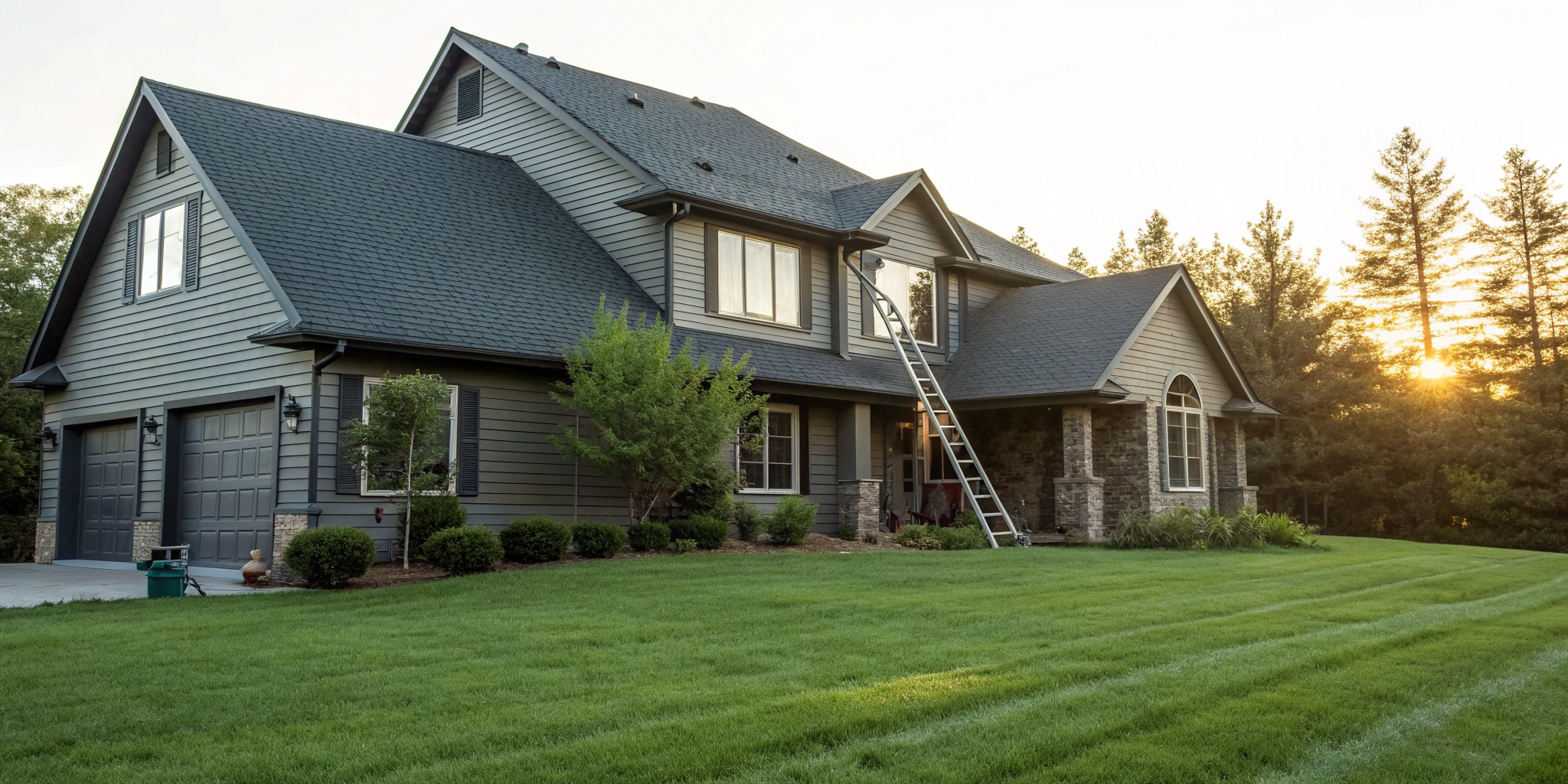
Here in New Jersey, our homes put up with a lot—from humid summer heat to icy winters and the occasional nor’easter. That’s why choosing the right exterior protection isn’t just about aesthetics; it’s about durability. When it’s time to replace your roofing and siding, you need materials and workmanship that are proven to withstand our specific climate. This guide is written with New Jersey homeowners in mind. We’ll help you understand which options perform best in our area, what to look for in a local contractor, and how to plan your project around the seasons for the best possible outcome.
- Prioritize Long-Term Value Over Upfront Cost: Balance your initial budget with the long-term costs of maintenance and repairs. Investing in durable, weather-appropriate materials for your roof and siding protects your home and saves you money over time.
- Hire a Reputable Contractor to Protect Your Investment: A great contractor does more than just the installation—they handle permits, offer solid workmanship guarantees, and provide expert advice. Vetting your contractor is the best way to ensure a high-quality, lasting result.
- Combine Projects and Perform Simple Maintenance: Save time and money by replacing your roof and siding at the same time, ideally in the spring or fall. After the project, protect your investment with simple annual tasks like cleaning the gutters and inspecting for damage.
What Are Your Roofing and Siding Options?
Choosing new materials for your home’s exterior is a big deal. It’s not just about picking a color you like; it’s about finding the right combination of style, durability, and value that will protect your home for years to come. The options can feel endless, but understanding the basics of the most popular materials is the perfect place to start. Think of it as balancing your budget with your long-term goals for your home. Let’s walk through some of the most common choices for roofing and siding to help you find the perfect fit.
Popular Roofing Materials
Your roof is your home’s first line of defense, so choosing the right material is key. Asphalt shingles are the most common choice across the country, largely because they are affordable and relatively easy to install. While they get the job done, they may not last as long as other options. If you’re looking for something with more longevity, a metal roof might be a better fit. Metal roofs require very little maintenance and stand up well against rot and insects, though they do come with a higher upfront cost. For a true long-term investment, concrete tiles are incredibly durable and can last for 50 years or more, giving you peace of mind for decades.
Popular Siding Materials
The siding you choose defines your home’s character and curb appeal. Vinyl is a go-to for many homeowners because it’s affordable, comes in many colors, and doesn’t require much upkeep. Another excellent option is fiber cement siding, which is known for its durability and ability to withstand harsh weather, though its initial cost is higher than vinyl. For a classic, rustic aesthetic, natural wood siding is beautiful but requires regular maintenance to prevent rot and insect damage. And don’t forget about materials like stone veneer or stucco, which offer unique textures and a high-end finish that can completely transform your home’s exterior.
Weighing the Pros and Cons
When making your final decision, it’s important to look beyond the initial price tag. Choosing materials based only on cost can lead to higher long-term expenses from frequent repairs and maintenance. You also need to consider our local New Jersey climate. Some materials perform better than others through hot, humid summers and cold, snowy winters. An experienced local contractor can guide you toward options that are proven to last in our area. Finally, remember that even the best materials need proper care. A simple plan for regular inspections will ensure your new roof and siding stay in great shape and protect your investment for years to come.
How Do You Choose the Right Contractor?
Choosing a contractor is one of the biggest decisions you’ll make for your home renovation. You’re not just hiring someone to do a job; you’re trusting them with your most valuable asset. Look for a qualified, local company with a strong reputation in your community. A great contractor has a deep understanding of the best materials for New Jersey homes, from durable roofing to weather-resistant siding. They should also be experts on local building codes and safety standards, ensuring your project is done right and to regulation. Think of it as finding a partner who will guide you through the process, provide quality workmanship, and stand behind their work long after the project is complete.
Key Questions to Ask Before You Hire
Before you sign any contracts, it’s important to do your homework. Having a list of questions ready can help you vet potential contractors and find the best fit for your project. Don’t be afraid to ask directly—a reputable company will be happy to provide clear answers.
Here are a few essential questions to get you started:
- How long have you been in business? A company with years of experience and a physical business location is a good sign of stability and reliability.
- Are you licensed and insured? Your contractor must have liability insurance to protect your home from accidental damage during the project.
- What warranties do you offer? Ask about warranties for both the materials used and the workmanship itself. This shows they stand by their quality.
- Can you provide a detailed written estimate? A professional estimate should clearly outline the scope of work, materials, project timeline, and total cost.
Red Flags to Watch For
Just as important as knowing what to look for is knowing what to avoid. Some warning signs are subtle, while others are more obvious. Be wary of any contractor who shows up at your door uninvited with a special offer. Reputable professionals rarely use door-to-door sales tactics, and these offers can sometimes be scams. Another major red flag is a contractor who pressures you to make a quick decision or asks for a large cash deposit upfront. Finally, while it’s tempting to go with the lowest bid, be cautious. An unusually low price can signal subpar materials or inexperienced labor, which will cost you more in repairs down the road. Your home is a significant investment, and choosing a quality siding and roofing contractor is key to protecting it.
Budgeting for Your New Roof and Siding
Replacing your roof and siding is a major investment in your home’s safety, value, and curb appeal. Creating a realistic budget is the first step to a smooth project. While the final price tag depends on your specific home and material choices, understanding the key cost factors will help you plan effectively and avoid surprises down the road. Think of your budget as a roadmap—it keeps your project on track and ensures you get the results you want without overspending. Let’s break down what goes into the cost of a new roof and siding so you can feel confident in your financial planning.
Understanding Roofing Costs
The cost of a new roof can vary quite a bit, and it’s helpful to know what you’re paying for. The biggest factors are the size and pitch (steepness) of your roof, the materials you choose, and local labor rates. Asphalt shingles are often the most budget-friendly option, while materials like metal or slate come with a higher price tag but offer different benefits in longevity and style. The estimate you receive will also include the cost of removing and disposing of your old roof, installing underlayment for water protection, and any necessary repairs to the underlying roof deck. It’s smart to set aside a little extra in your budget for unexpected issues, like discovering rotted wood once the old shingles are off.
What Influences Siding Prices?
Just like with roofing, the cost of new siding is influenced by a few key things: the size of your home, the material you select, and the complexity of the installation. Vinyl siding is a popular and affordable choice, while fiber cement and stone veneer are premium options that offer a distinct look and incredible durability. The total price will also account for the removal of your old siding, any necessary repairs to the walls underneath, and the installation of house wrap, which acts as a weather-resistant barrier. Don’t forget to factor in details like trim and accents, as these can also affect the final cost of your project.
Common Budgeting Mistakes to Avoid
A little planning can save you a lot of headaches. One of the most common mistakes homeowners make is automatically choosing the lowest bid. While it’s tempting, a quote that’s significantly lower than others could signal subpar materials or inexperienced labor, which can cost you more in the long run. Another pitfall is not having a contingency fund. Experts recommend adding an extra 10% to 20% to your budget to cover any unforeseen problems that might pop up during demolition. Finally, remember to account for all project-related costs, not just the main installation. This could include things like new gutters, exterior painting, or even minor landscaping repairs after the work is done.
Should You Replace Your Roof and Siding at the Same Time?
If your home’s exterior is showing its age, you might be wondering if you should tackle the roof and siding at once. It’s a big project, but coordinating the two can be one of the smartest home improvement decisions you make. It saves you time, money, and future headaches, all while giving your home a complete, cohesive makeover.
The Benefits of a Combined Project
Tackling both your roofing and siding at the same time is a great way to streamline your renovation. Think of it as one project instead of two separate ones. This often leads to cost savings, as contractors can bundle services, reduce setup and cleanup time, and order materials in bulk. You also minimize the disruption to your daily life. Instead of having crews at your home for two different periods, you get the work done in a single, coordinated timeframe. A combined project also ensures a perfectly matched exterior, with no awkward transitions between a new roof and older siding, giving your home a beautiful, unified look from the curb.
Planning Your Project Timeline
A successful combined project comes down to smart planning. The key is to work with a contractor who understands how to sequence the jobs to protect your investment. Generally, the roof should always be replaced first. This prevents debris and foot traffic from the roofing job from damaging your brand-new siding. A good contractor will create a clear timeline that accounts for material delivery, permits, and the installation sequence. This coordination helps avoid delays and ensures both parts of the project complement each other seamlessly. Proper planning means a smoother process and a better final result for your home’s exterior.
When Is the Best Time of Year to Start?
In New Jersey, timing is everything. The best seasons for replacing your roof and siding are typically spring and fall. During these months, the moderate temperatures are ideal for installing materials. For example, asphalt shingles seal best in mild warmth, and vinyl siding is less likely to crack than it would in the freezing cold. This is also true for projects like installing new windows, which benefit from stable weather. Because these are popular times for exterior work, it’s a good idea to schedule your project well in advance. While it’s possible to work in summer or winter, you run a higher risk of weather-related delays. Planning for a spring or fall installation gives your project the best chance for a smooth completion.
What Warranties and Guarantees Actually Matter?
When you’re making a big investment in your home, like new roofing or siding, the warranties and guarantees can feel like a bunch of fine print. But they’re actually one of the most important parts of your project. Think of them as a safety net—a promise from both the manufacturer and your contractor that the job will be done right and the materials will last. A solid warranty isn’t just a piece of paper; it’s your peace of mind.
There are two main types of protection you’ll encounter: material warranties and workmanship guarantees. The material warranty comes from the company that made your shingles or siding panels, covering defects in the product itself. The workmanship guarantee comes directly from your contractor, covering the quality of their installation. A great project has both. Understanding the difference and knowing what to look for will help you feel confident that your home is protected for years to come. It’s about ensuring the quality you pay for is the quality you get, long after the crew has packed up and left.
Understanding Material Warranties
A material warranty covers the physical products used on your home. If your shingles start to curl or your siding begins to fade prematurely due to a manufacturing defect, this is the warranty that kicks in. These guarantees come directly from the manufacturer, so the terms can vary quite a bit. For roofing, a strong warranty will often cover materials for up to 50 years. When it comes to siding, you should look for a lifetime warranty on the materials. This ensures that the products installed on your home are built to withstand the elements and perform as promised for decades.
What to Look for in a Workmanship Guarantee
While a material warranty covers the what, a workmanship guarantee covers the how. This is your contractor’s promise that their installation work is top-notch. It protects you from issues caused by improper installation, like leaks around flashing, loose siding panels, or poor ventilation. A contractor who offers a lifetime workmanship warranty is showing you they have total confidence in their team’s skills and quality. It’s a clear sign that they stand behind their work and are committed to building things that last, whether it’s a new stone veneer accent or a full exterior renovation.
How to Protect Your Investment
Ultimately, a warranty is only as good as the company that stands behind it. The best way to protect your investment is to hire a qualified, trusted, and local contractor with a proven track record. A reputable company will not only use high-quality materials but will also have the expertise to install them correctly according to manufacturer specifications and local building codes. Choosing a trained and trusted professional is the most important step you can take. They’ll ensure your project is done right the first time, giving you a beautiful result and the reliable protection of solid warranties.
How Do Permits and Weather Impact Your Timeline?
Even with the best contractor and a solid plan, some factors are simply out of your control. Things like municipal paperwork and unpredictable New Jersey weather can affect your project’s start date and duration. A seasoned professional will anticipate these issues and build buffer time into the schedule, but it’s helpful for you to understand what’s happening behind the scenes.
Knowing how permits and weather play a role helps you set realistic expectations. For example, securing a permit can take several weeks, depending on your town. Similarly, a week of non-stop rain can pause all outdoor work. While you can’t control the weather, you can plan your project for a time of year when conditions are generally more favorable. Thinking through these variables ahead of time ensures you’re prepared for potential pauses and can work with your contractor to keep things moving as smoothly as possible.
Dealing with Building Permits
Before any work begins on your new roofing or siding, you’ll likely need a building permit. This is your local municipality’s way of ensuring the project meets safety and construction codes. The requirements can vary from town to town, so it’s crucial to know what’s needed for your specific area. Failing to get the right permits can lead to serious headaches, including fines and work stoppages that throw your entire timeline off track.
An experienced local contractor will handle the entire permitting process for you, from filling out the paperwork to scheduling inspections. This is a major advantage of hiring a pro—they understand the local regulations and have relationships with the building departments, which helps streamline the approval process and keep your project on schedule.
Choosing the Right Season for Your Project
Timing is everything, especially when it comes to exterior renovations. The right season can make a huge difference in the efficiency and quality of the installation. In New Jersey, the ideal time for a siding or roofing project is typically late spring through early fall. The mild, dry weather allows materials to be installed correctly and helps the crew work safely and effectively.
Working in extreme temperatures can cause problems. For instance, vinyl siding can become brittle and crack in the freezing cold, while intense summer heat can make asphalt shingles too soft to handle properly. While projects can be done year-round, planning for a season with stable weather gives you the best chance for a smooth, delay-free installation.
How to Prepare for Installation Day
Once the crew is scheduled to arrive, a little prep work on your part can make a big difference. Start by clearing the perimeter of your home. Move patio furniture, grills, potted plants, and cars out of the driveway and away from the house. This gives the team a safe, clear workspace. It’s also a good idea to cover any delicate landscaping, like flower beds, with tarps to protect them from falling debris.
Inside, the work can cause vibrations, so take a few minutes to remove pictures, mirrors, or fragile decorations from your walls. And of course, make sure your pets are secured safely indoors. Taking these simple steps helps the installation crew work more efficiently and protects your property, ensuring installation day goes off without a hitch.
How to Care for Your New Roof and Siding
Your new roof and siding look fantastic, and the project is finally done. But the work isn’t quite over. Protecting your investment with some simple, ongoing care is the best way to ensure your home’s exterior stays beautiful and functional for decades. Think of it less as a list of chores and more as a routine that keeps your home safe, secure, and looking its best. A little proactive attention can prevent small issues from turning into costly repairs down the road. By performing regular checks and light maintenance, you’ll extend the life of your materials and keep your home’s curb appeal at its peak.
Your Simple Inspection Checklist
One of the most common but easily avoidable mistakes homeowners make is neglecting regular inspections. You don’t need to climb a ladder to get a good sense of how your exterior is holding up. Simply walk around your property a couple of times a year—once in the spring and again in the fall—and after any major storms. Grab a pair of binoculars for a closer look and check for:
- On the roof: Any shingles that are cracked, curling, or missing. Pay attention to the areas around vents, skylights, and the chimney.
- On the siding: Any panels that look warped, cracked, or loose. Also, check the caulking around windows and corner trim to ensure it’s intact.
- In the gutters: A buildup of leaves, granules from your shingles, or other debris.
Easy Maintenance Tips
A few simple tasks can make a huge difference in the longevity of your roof and siding. First and foremost, keep your gutters clean. Clogged gutters cause water to overflow, which can seep behind your siding, damage your roof, and even harm your home’s foundation. Making sure your gutters are clear is essential for proper water management. It’s also a good idea to trim any tree branches that hang over your house. This prevents leaves from piling up on the roof and reduces the risk of damage during a storm. For your siding, a gentle wash with a garden hose and a soft-bristled brush once a year can remove dirt and prevent mildew growth, keeping it looking fresh.
Maximizing Your Home’s Energy Efficiency
Your roof and siding are your home’s first line of defense against the elements, and they play a huge role in its energy efficiency. Proper attic ventilation is key; it allows hot, moist air to escape, which prevents moisture damage and helps regulate your home’s temperature year-round. This simple function reduces the strain on your heating and cooling systems. Also, ensure the seals around your windows and doors are tight. A well-sealed home envelope, from the roof down to the foundation, prevents air leaks and keeps your conditioned air inside where it belongs. This complete system works together to keep your home comfortable and your energy bills down.
Related Articles
Frequently Asked Questions
How do I know if I need a full replacement or just a repair? A few missing shingles from a storm or a single cracked piece of siding can often be handled with a simple repair. However, if you’re seeing widespread issues like curling shingles across your roof, extensive fading or cracking on your siding, or if you know your exterior is more than 20 years old, it’s likely time for a full replacement. A professional inspection is the best way to get a clear answer, as a contractor can spot underlying issues that signal a larger problem.
Is it really cheaper to replace my roof and siding at the same time? Yes, it often is. When you bundle the projects, you save on shared costs like scaffolding, dumpster rental, and labor for setup and cleanup. Your contractor can manage everything more efficiently, which translates to savings for you. It also means you only have to deal with the disruption of a major renovation once, rather than twice.
What’s the real difference between a material warranty and a workmanship guarantee? Think of it this way: the material warranty comes from the manufacturer and covers the product itself, like shingles that fail prematurely. The workmanship guarantee comes from your contractor and covers the quality of the installation. A great contractor provides a strong workmanship guarantee, which is their promise that they installed those materials correctly to protect your home from leaks or other issues caused by poor installation.
How long does a typical roof and siding project take? The timeline depends on the size and complexity of your home, but you can use a general estimate for planning. An average roof replacement usually takes just a few days. Siding can take a bit longer, often around one to two weeks. When you combine the projects, the overall timeline is much shorter than it would be if you did them separately months or years apart.
Do I need to be home while the crew is working? You don’t need to be home for the entire duration of the project, but it’s a good idea to be there when the crew first arrives to go over any final details. It’s also helpful to be available for the final walkthrough to ensure you’re happy with the finished work. The process can be quite loud, so if you work from home, you may want to make other arrangements for those days.