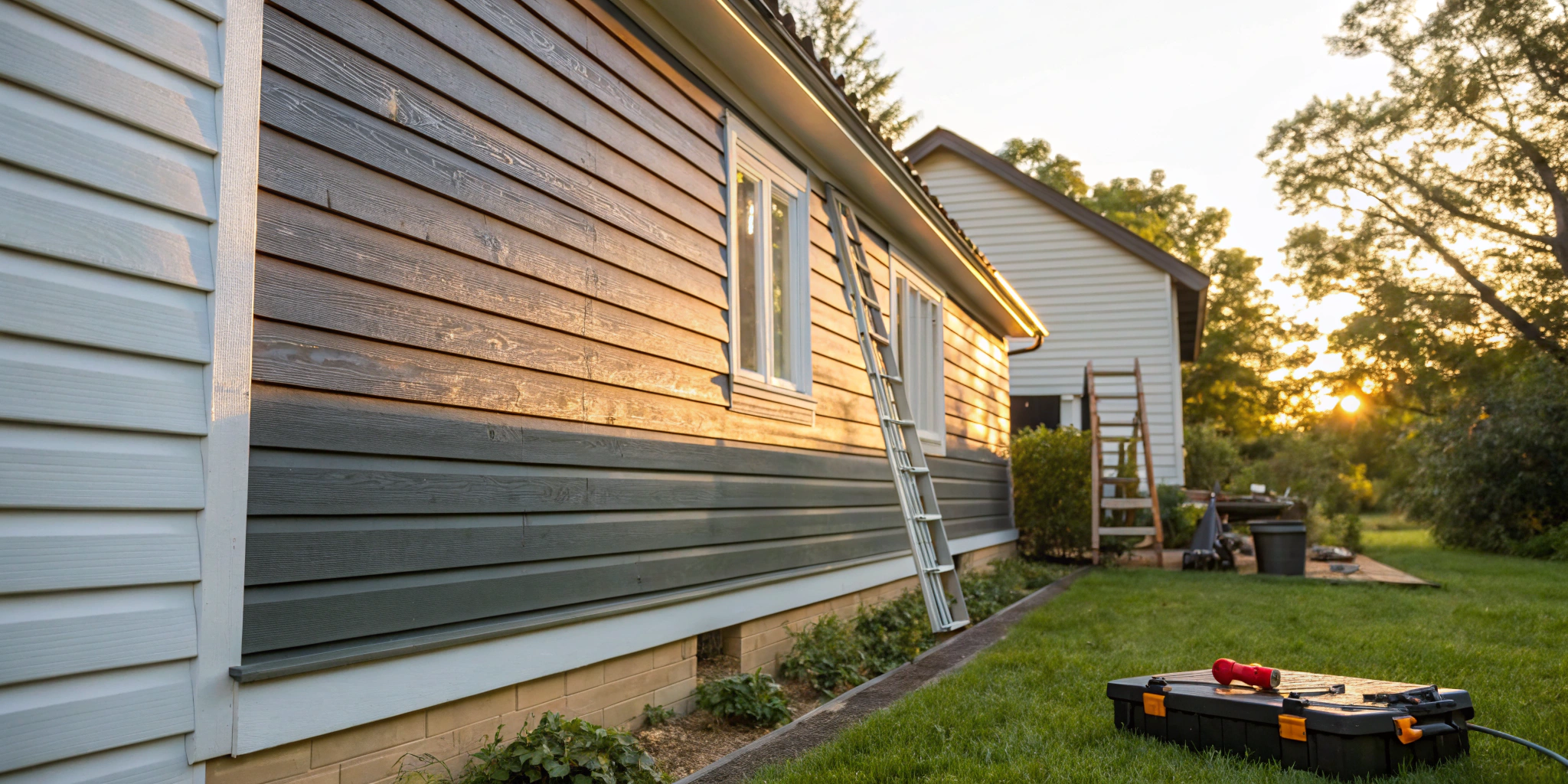
Your siding does more than just make your house look good—it’s a critical barrier protecting everything inside from wind, rain, and pests. When that barrier is compromised, even by a small crack, your home becomes vulnerable. Addressing issues promptly is key to preventing minor flaws from turning into major structural damage. This guide is designed to give you the knowledge you need to maintain that crucial line of defense. We’ll cover everything from spotting early warning signs to understanding the siding repair process, ensuring your home stays safe, dry, and secure for years to come.
Key Takeaways
- Proactive Checks Save Money: Inspect your siding twice a year to catch small cracks or warping before they turn into expensive, large-scale repairs. A quick walk-around is your best defense against surprise costs.
- Know When to DIY and When to Call for Help: Small cosmetic fixes like caulking a crack are often manageable weekend projects. For widespread damage, complex materials like stone veneer, or any issues with the structure underneath, hiring a professional is the safest and most effective solution.
- Hire a Pro with Confidence: Don’t just focus on the price. Always confirm a contractor’s license and insurance, ask for recent references, and get a detailed written estimate to ensure you’re working with a trustworthy professional who will get the job done right.
Is It Time to Repair Your Siding?
Your home’s siding is its first line of defense against the elements, but it’s also one of those things that’s easy to overlook. That is, until a small crack becomes a big problem. Knowing what to look for can save you from costly surprises down the road. A quick walk around your house a couple of times a year, especially after a big New Jersey storm, is all it takes to spot trouble before it starts. Think of it as a regular check-up for your home’s exterior—a little preventative care goes a long way.
Catching issues early often means the difference between a simple, affordable fix and a full-blown replacement project. Things like warped panels, peeling paint, or even a sudden spike in your energy bills can all point to siding that needs some attention. The key is to understand what these signs mean and to decide whether you’re looking at a minor repair or a major overhaul. It’s about protecting your investment and keeping your home safe, dry, and looking its best. Let’s walk through the tell-tale signs that your siding needs help and how to determine the best course of action for your home.
Signs Your Siding Needs Attention
It’s a good idea to inspect your siding at least twice a year, especially after a major storm. Grab a notepad and walk the perimeter of your home, keeping an eye out for anything that looks out of place.
Here are the most common signs of trouble:
- Cracks, Chips, or Gaps: Small cracks can let in moisture, which can lead to rot and mold.
- Warping or Bubbling: Boards that are bent or bulging are a clear sign that moisture has gotten trapped underneath.
- Fading or Peeling Paint: While some fading is normal, significant peeling can indicate that your siding is no longer protecting your home effectively.
- Mold or Mildew: Green or black spots, especially near the seams, often point to moisture issues.
- Higher Energy Bills: If your heating or cooling costs are creeping up, it could be because damaged siding is letting air leak out.
Repair or Replace? How to Make the Right Call
Once you’ve identified a problem, the next step is deciding whether to repair or replace it. A good rule of thumb is to consider the extent of the damage. If the issues are limited to less than 15-20% of your home’s exterior—like a few cracked boards or a small section with mildew—a repair is usually the most practical solution. Small cracks can often be sealed, and individual damaged panels can be replaced without disturbing the rest of the wall.
However, if you find widespread problems like extensive rot, moisture trapped behind multiple panels, or if your siding is simply old and brittle, a full replacement is often the smarter long-term investment. This is also a great opportunity to update your home’s look with modern materials like beautiful stone veneer or durable stucco.
How to Repair Different Siding Materials
The right way to fix your siding depends entirely on what it’s made of. A small crack in vinyl is a completely different project than a crumbling patch of stone veneer. Each material has its own quirks, tools, and techniques for a successful repair. Understanding the basics for your home’s exterior can help you decide whether to grab your toolkit or call in a professional. Below, we’ll walk through the common repair methods for vinyl, fiber cement, wood, and stone, so you can get a clear picture of what each job involves.
Repairing Vinyl Siding
Vinyl is one of the most common siding materials out there, and for good reason—it’s durable and relatively low-maintenance. For small holes or cracks, you can often make a nearly invisible patch using a filler like Bondo fiberglass and some color-matched paint. The process involves cleaning the area, applying the filler, sanding it smooth, and carefully painting over it. If an entire panel is warped or cracked, you’ll need to replace it. A special zip tool, also called a siding removal tool, is essential for unlocking the damaged panel from the surrounding ones without causing more breakage. While these small fixes are manageable, replacing multiple panels can be tricky to get just right.
Fixing Fiber Cement Siding
Fiber cement is incredibly tough, but it’s not indestructible. Damage usually comes in the form of chips, cracks, or holes from an impact. Minor chips can be filled with a cementitious patching compound, which you’ll need to sand and paint to match. The biggest challenge with fiber cement is that it’s heavy and can be brittle, making it difficult to handle without causing more damage. Proper siding installation is critical to its performance, and a bad repair can compromise the weather-resistant barrier underneath. For anything more than a tiny patch, it’s wise to bring in a contractor who has the right tools and experience to work with this material safely.
Mending Wood Siding
Wood siding offers a beautiful, classic look, but it requires consistent upkeep to stay in good shape. It’s prone to rot, insect damage, and splitting from moisture. For small areas of rot, you can sometimes scrape out the soft wood and fill the spot with epoxy wood filler. For larger issues, you’ll need to cut out the damaged section and fit a new piece of wood in its place. The key to a successful repair is carefully matching the existing material and finish. After the repair, sanding, priming, and painting are essential to seal the wood and protect it from the elements. This process requires precision to ensure the patch blends in seamlessly.
Restoring Brick and Stone Veneer
When it comes to brick and stone veneer, repairs are almost always a job for a professional. These materials are heavy, and fixing them improperly can affect your home’s structural integrity. A common issue is cracked or crumbling mortar, which requires a process called repointing. This involves carefully grinding out the old mortar and applying a new mix that matches the original in both color and composition. Using the wrong mortar can damage the surrounding bricks. Replacing a cracked stone or brick is even more complex and requires a skilled mason to ensure the repair is strong, weatherproof, and visually seamless. These are the most expensive types of repairs, but they’re critical for maintaining your home’s value and safety.
How Much Does Siding Repair Cost?
Figuring out the budget for a siding repair can feel like a moving target, but it helps to start with a general idea of the costs. On average, you can expect to pay anywhere from $500 to $2,500 for a typical repair. For smaller issues, like a single loose panel or a minor crack, you might be looking at a cost closer to $200 to $500.
Of course, this is just a starting point. The final price tag depends on a few key things: the type of siding on your home, how much of it needs to be fixed, and the labor costs in our area. A small patch job on vinyl siding will cost significantly less than repairing a large section of custom stone veneer. Understanding what goes into the estimate will help you plan your project and ensure you’re getting a fair price for quality work. Let’s break down the details so you know exactly what to expect.
A Cost Breakdown by Material
The material on your home is one of the biggest factors in your repair bill. Some materials are simply more affordable and easier to work with than others. Vinyl siding is usually the most budget-friendly option to repair, as the panels are lightweight and relatively simple to replace. On the other end of the spectrum, materials like brick, stucco, and stone are more labor-intensive and require specialized skills, which drives up the cost. For example, repairing a section of brickface involves careful mortar work to ensure a seamless match, making it a more complex and expensive job than snapping a new vinyl panel into place.
Factors That Influence Repair Costs
Beyond the material itself, several other elements can affect your final quote. The extent of the damage is a major one—fixing a few small holes is much different from replacing an entire wall section after a storm. Accessibility also plays a role; a repair on the first floor will likely cost less than one that requires scaffolding to reach the third story. Your contractor may also uncover hidden issues, like water damage or rot on the sheathing beneath the siding, which will need to be addressed. Finally, local labor rates will always be part of the equation, influencing the overall cost of the professional service.
How to Save Money on Your Project
Even with necessary repairs, there are ways to be smart about your spending. A great first step is to get estimates from a few different reputable contractors. This allows you to compare prices and services to find the best fit for your budget and needs. Keep an eye out for seasonal promotions, as some companies offer deals during their less busy times. If you’re planning other exterior updates, like installing new windows or gutters, ask if bundling the projects can lead to a better price. Addressing repairs early also prevents small, inexpensive fixes from turning into large, costly problems down the road.
What Are the Best Siding Repair Brands?
When you’re repairing your siding, the materials you choose are just as important as the contractor you hire. Using products from reputable brands ensures your home is protected and looks great for years to come. While we have our professional favorites, it’s helpful for you to know the top names in the industry so you can feel confident in your choices. Here’s a look at some of the best brands for different types of siding.
Top Brands for Fiber Cement
Fiber cement is a fantastic choice for its resilience against weather, pests, and fire. When it comes to the best, James Hardie consistently tops the list. Professionals and homeowners love it for its incredible durability and low-maintenance finish that holds paint exceptionally well. While Hardie board is the industry leader, other excellent brands like Allura and Nichiha also offer high-quality fiber cement siding options that provide great performance and a beautiful look. These brands give you solid choices for achieving a durable and stylish exterior that truly lasts.
The Most Reliable Vinyl Siding
Vinyl siding is popular for a reason—it’s affordable, comes in countless colors, and requires very little upkeep. While many manufacturers exist, some names stand out for their quality and reliability. CertainTeed is a brand that is consistently well-regarded for producing durable and attractive vinyl products that resist fading and damage. A great rule of thumb is to also look for siding certified by the Vinyl Siding Institute (VSI). This certification means the product has met rigorous standards for quality and performance, giving you extra peace of mind that you’re investing in a dependable material.
Quality Materials for Wood Siding
Nothing beats the classic, warm look of wood siding. If you love that aesthetic but want more durability, engineered wood is an excellent option. LP SmartSide is a standout brand in this category, offering the beauty of traditional wood with advanced treatments to resist moisture and pests. Many contractors consider it one of the best siding products available on the market. For those who prefer authentic charm, natural materials like cedar shake provide a beautiful, rustic finish with natural insulating properties. Choosing a quality material is key to a long-lasting and gorgeous wood exterior.
DIY Repair or Hire a Pro?
Deciding whether to tackle a siding repair yourself or call in a professional is a big question for any homeowner. While the satisfaction (and potential cost savings) of a DIY project is tempting, siding you have, and your own comfort level with home improvement projects.
Before you pull out the ladder, it’s important to honestly assess the situation. Minor cosmetic issues are often manageable for a handy homeowner, but extensive damage requires the expertise and specialized tools of a professional. This section will help you understand what you can likely handle on your own, what tools you’ll need, the common mistakes to watch out for, and the basic steps for a simple fix. Thinking through these points will help you make the best choice for your home and your peace of mind.
Repairs You Can Tackle Yourself
If you’re eager to try a DIY repair, start by identifying the scope of the problem. Some issues are perfectly suited for a weekend project. For instance, you can often fix small cracks or tiny chips in vinyl or fiber cement siding with a bit of high-quality, color-matched caulk. Filling minor holes is another manageable task that can prevent moisture from getting behind the panel.
However, if you see signs of widespread damage, it’s time to pause. Siding that is warped, rotting, or has extensive cracking usually means you need to replace the entire damaged section, not just patch it up. This is where the job gets more complex. Anything involving multiple panels, addressing issues underneath the siding, or working at significant heights is typically best left to the pros.
Your Essential DIY Toolkit
Having the right tools is non-negotiable for a successful siding repair. For a basic vinyl siding fix, you’ll need more than just a hammer and nails. A specialized set of tools will make the job safer and ensure a professional-looking result. Your essential toolkit should include a zip tool, which is specifically designed to unlock and lock siding panels without causing damage.
You’ll also need a snap lock punch to create tabs that secure the siding into the trim, and tin snips for cutting panels to size. A utility knife, hammer, and level are also must-haves. While you can find these items at most hardware stores, some are quite specific. Gathering the proper siding tools before you start is a key step in determining if a DIY repair is right for you.
Common DIY Mistakes (and How to Avoid Them)
Siding repair seems straightforward, but a few common mistakes can compromise your work and your home’s exterior. One of the most frequent errors is improper fastening. Nailing the siding too tightly doesn’t allow it to expand and contract with temperature changes, which can cause it to buckle and warp over time. Another pitfall is incorrect overlapping of panels. This can create gaps that let water seep in behind the siding, leading to rot and mold.
It’s also crucial to check what’s happening underneath. Simply covering up a problem without addressing the foundation or wall sheathing can lead to serious structural issues. If you notice any crumbling or soft spots, it might be a sign that you need professional resurfacing before new siding can be installed.
A Step-by-Step Guide for Small Fixes
If you’ve assessed the damage and decided it’s a small, manageable fix, you can follow a few basic steps. For replacing a single damaged vinyl panel, you’ll start by using a zip tool to unlock the panel above the one you’re replacing. Once it’s unhooked, you can gently pry out the nails holding the damaged panel and remove it.
Next, slide the new panel into place, making sure the bottom lip locks into the panel below it. When you nail the new panel in, leave a small gap between the nail head and the siding to allow for movement. Finally, use the zip tool again to lock the upper panel back over the new one. This step-by-step guide is great for minor repairs, but remember, practice and precision are key.
How to Choose the Right Siding Contractor
Finding the right person for the job is just as important as picking the perfect siding material. The quality of the installation or repair will determine how well your siding protects your home and how long it lasts. A great contractor ensures the work is done correctly, looks beautiful, and stands up to New Jersey’s weather for years to come. Think about it: even the highest-quality siding can fail if it’s not installed properly, leading to leaks, drafts, and pest problems. But with so many options out there, how do you find a team you can trust?
It comes down to doing a little homework. You’ll want to look for a contractor with a proven track record, transparent communication, and the right credentials. Think of it like an interview process where you’re in the driver’s seat. Taking the time to ask the right questions and check for key qualifications will help you feel confident in your decision and avoid costly mistakes down the road. A professional siding installation is an investment in your home’s value and safety, so it’s worth the effort to get it right. We’ll walk you through exactly what to look for, what to ask, and what to avoid.
Verifying Credentials and Insurance
Before you even start talking about project details, make sure any contractor you’re considering is properly licensed and insured. This is non-negotiable. A valid license proves they meet state and local requirements to perform the work. More importantly, proper insurance protects you. General liability insurance covers any accidental damage to your property, while workers’ compensation covers injuries that might happen to the crew on your property. Without it, you could be held financially responsible. Don’t just take their word for it—ask to see a copy of their insurance certificates. A professional company will have this information ready and will be happy to share it.
Questions to Ask Potential Contractors
Once you’ve confirmed a contractor is licensed and insured, it’s time to dig a little deeper. Getting estimates from a few different companies is always a good idea, but don’t just compare the bottom line. Ask about the specific materials they plan to use and inquire about the warranties that cover both the products and their workmanship. A reputable contractor will stand behind their work. You should also ask to see a portfolio of their past projects and for a few references you can call. This gives you a real-world look at the quality of their siding services and their customer satisfaction.
Red Flags to Avoid When Hiring
As you speak with different contractors, keep an eye out for a few warning signs. Be cautious of anyone who uses high-pressure sales tactics or pushes you to sign a contract on the spot. Another major red flag is a request for a large cash deposit upfront. While a down payment is standard, it shouldn’t be an excessive amount. If a contractor is hesitant to provide proof of insurance, references, or a detailed written estimate, it’s best to walk away. A professional team will be transparent and patient, ensuring you have all the information you need to feel comfortable before moving forward.
What to Expect from a Professional Repair
Once you’ve decided to hire a professional, you can breathe a sigh of relief. Handing the project over to an experienced team means you don’t have to worry about climbing ladders, sourcing materials, or spending your weekend on a complex repair. Instead, you can look forward to a seamless process and high-quality results that protect your home for years to come. The journey typically starts with a thorough inspection where a contractor assesses the damage and discusses your options, whether you’re working with vinyl, fiber cement, or stone veneer. They’ll look for hidden issues, like moisture damage, to ensure the root cause of the problem is addressed.
Following the consultation, you’ll receive a detailed estimate outlining the scope of work, materials, and total cost. This transparency is key to a good working relationship. After you approve the quote, the team will schedule the work, order the necessary materials, and handle any required permits. During the repair, a professional crew will protect your property, work efficiently, and maintain a clean job site. The process usually concludes with a final walkthrough to ensure you’re completely satisfied with the work. Choosing a reputable contractor for your siding project means you get peace of mind along with a beautifully restored home exterior.
A Look at the Repair Timeline
The timeline for your siding repair depends entirely on the scope of the project. A few cracked vinyl panels or a small patch of damaged wood
How Weather and Seasons Affect Your Project
Weather is a major factor in any exterior home project. Rain, high winds, and extreme temperatures can cause delays. For instance, some materials can’t be installed properly in freezing cold, and caulk needs specific conditions to cure correctly. While work can be done year-round, many homeowners find that spring and fall offer the ideal weather for siding repairs. In fact, scheduling your project in the fall can sometimes be a smart move. It’s often a less busy season for contractors, which could lead to more flexible scheduling and potentially better rates. Just be sure to plan ahead before the winter weather arrives.
Understanding Warranties and Coverage
Before any work begins, it’s essential to discuss warranties. Reputable contractors provide a warranty on their workmanship, which covers any issues related to the installation itself. The siding materials will also come with a separate manufacturer’s warranty, protecting against defects like fading or cracking. Make sure you get the details for both in writing. It’s also a good idea to check your homeowners insurance policy. While standard wear and tear isn’t covered, damage from a specific event like a storm or fallen tree often is. A quick call to your insurance agent can clarify what your policy covers and how to file a claim if needed.
How to Prevent Future Siding Damage
Once your siding is repaired or replaced, the last thing you want is to face the same problems again in a few years. The good news is that a little proactive care can go a long way in extending the life of your home’s exterior. By staying on top of maintenance, you can protect your investment, keep your home looking its best, and avoid the headache of unexpected, large-scale repairs. Think of it as a simple routine that saves you time and money down the road. Regular inspections and prompt attention to small issues are the keys to keeping your siding in top condition for years to come.
Maintenance Tips for Your Siding
The best defense against siding damage is a good offense. Start by inspecting your siding at least twice a year—once in the spring and again in the fall is a great rhythm. Pay special attention after major storms with high winds or hail. Keep an eye out for any cracks, warping, or signs of moisture. It’s also smart to keep bushes and tree limbs trimmed back so they don’t scrape against the siding or trap moisture.
Another crucial step is to regularly clean your gutters. Clogged gutters can cause water to overflow and run down your siding, leading to water damage, mold, and rot over time. A gentle wash with a garden hose or a soft-bristle brush can also remove dirt and grime that can degrade the material. Consistent care helps maintain your home’s curb appeal and protects the structural integrity of your siding.
A Seasonal Inspection Checklist
Knowing what to look for makes seasonal checks quick and effective. As you walk around your home, use this simple checklist to spot potential trouble before it gets worse.
- Cracks, Chips, or Holes: Even small openings can let moisture and pests in.
- Warping or Bubbling: This often indicates that moisture is trapped behind the siding.
- Fading or Peeling Paint: While sometimes cosmetic, this can also be a sign that the siding’s protective layer is failing.
- Mold or Mildew: Look for dark spots or discoloration, especially in shaded, damp areas.
- Loose Panels: Check if any sections are rattling or pulling away from the house.
- Caulking Gaps: Ensure the sealant around windows, doors, and corner trim is intact and not cracking.
Catching Minor Issues Early
It’s easy to put off fixing a small crack or a single loose panel, but these minor issues can quickly become major headaches. A small opening can allow water to seep behind the siding, leading to rot in your home’s structural sheathing and framing. What might have been a simple fix can turn into a complex and expensive project involving siding replacement and structural repairs.
Addressing problems when they’re small is always more manageable. A professional can often repair a few minor spots in just a few hours. However, if damage is left to spread, you could be looking at a full replacement that takes a week or more. If you notice anything concerning during your inspections, from a small crack in your stucco to a chip in your masonry, getting a professional opinion on resurfacing or repair can prevent a small problem from compromising your entire exterior.
Ready to Start Your Siding Repair?
So, you’ve spotted some siding damage and you’re ready to get it fixed. The first step is to figure out the extent of the problem and decide whether this is a project you can handle yourself or if it’s time to call in a professional. A big part of that decision comes down to the budget. Understanding siding repair costs is key, as they can range from a few hundred dollars for a small patch to several thousand for more significant issues. If you’re dealing with warped, cracked, or rotting sections, you’re likely looking at a full replacement of that area, which will influence the final price.
For minor issues like a small hole or a single loose panel, a DIY approach can be a great way to save money. If you decide to tackle the repair yourself, you’ll want to make sure you have the right tools on hand. A zip tool, utility knife, and correctly matched siding pieces are essential for a clean fix. However, it’s important to know your limits. If your home was built before 1980, there’s a chance your siding could contain asbestos, which requires professional handling for safety.
Even with the right tools, it’s easy to make simple mistakes that can lead to bigger problems. One of the most common mistakes to avoid is overlapping the panels incorrectly, which can allow water to seep in behind the siding and cause rot or mold. For more extensive damage, or if you’re just not confident in your skills, hiring a professional is the safest bet. An experienced siding contractor not only has the right equipment but can also spot hidden issues you might miss, ensuring the job is done correctly and your home is protected for years to come.
Related Articles
My siding is just faded, but not cracked. Do I really need to do anything about it? While some fading from the sun is normal over time, significant or uneven fading can be a sign that your siding’s protective outer layer is wearing thin. This makes the material more brittle and susceptible to cracking and moisture damage in the future. Think of it as a warning sign that your siding is aging and losing its ability to effectively protect your home. It’s a good idea to have it inspected to see if it’s just a cosmetic issue or a signal of a bigger problem on the horizon.
How can I tell if there’s water damage hiding behind my siding? Spotting hidden water damage can be tricky, but there are a few clues. Look for panels that are warped, bulging, or feel soft when you press on them. You might also notice mold or mildew stains appearing on the siding itself, particularly near the seams. Inside your home, unexplained damp spots on walls, peeling paint, or a persistent musty smell can also point to moisture getting trapped behind your exterior walls. A professional inspection is the surest way to know what’s happening underneath.
Is it okay to just repair one small section, or will it look mismatched? This is a common concern, and the answer really depends on the age and type of your siding. For many modern vinyl or fiber cement products, a skilled contractor can find a near-perfect match that blends in seamlessly. However, if your siding is older or has a unique color that has faded over time, finding an exact match can be difficult. In those cases, a professional might recommend replacing a larger, contained section to ensure the final result looks intentional and clean rather than like a patch.
How long can I expect a professional siding repair to last? A professional repair is not a temporary band-aid; it’s a long-term solution. When done correctly with high-quality materials, a repair should last for many years, often for the remaining lifespan of the surrounding siding. The goal of a professional job is to fully restore the integrity and protective function of your home’s exterior, ensuring the repaired section is just as strong and weather-resistant as the rest of the wall.
Can I just paint over small cracks instead of filling them? It might seem like an easy fix, but simply painting over a crack is not a good idea. Paint is only a surface coating and won’t properly seal the opening from moisture. Water can still seep into the crack, get behind the siding, and lead to rot, mold, and more significant damage over time. The crack needs to be properly sealed with the appropriate filler or caulk, or the damaged panel should be replaced entirely, to ensure your home remains protected.