How Long Does Vinyl Siding Last in New Jersey?
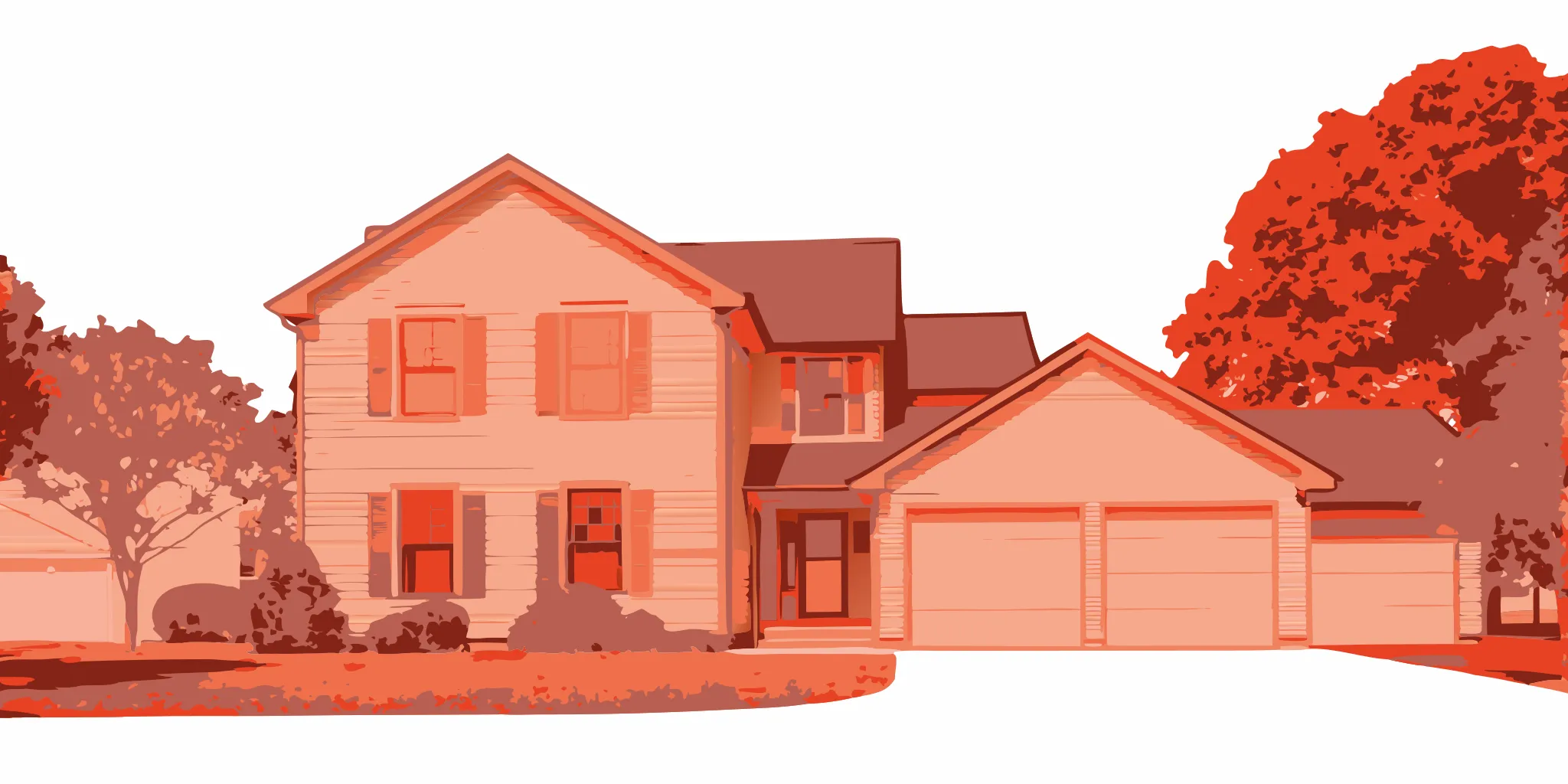
A vinyl siding panel can look solid from the curb while hiding years of storm impact, loose fasteners, or moisture damage behind it. So, how long does vinyl siding last on a New Jersey home? A reasonable planning range is about 20 to 40 years, but the condition of the wall matters more than its birthday. Product quality, installation, sun exposure, storms, and routine care all influence when repair or replacement becomes the better choice.
Request a professional siding inspection if you see loose, cracked, warped, or repeatedly repaired panels.
Garden State Brickface & Siding has served New Jersey property owners since 1953. Our in-house crews understand how local freeze-thaw cycles, summer heat, coastal air, and wind-driven rain affect exterior cladding. This guide explains what homeowners should expect, which warning signs deserve attention, and how to protect the remaining service life of an existing siding system.
How long does vinyl siding last on a New Jersey home?
Most homeowners can use 20 to 40 years as a practical planning range for vinyl siding. That range is not a promise or an automatic replacement schedule. One well-installed wall with moderate exposure may remain serviceable near the upper end. Another wall may need attention much earlier because it faces intense afternoon sun, repeated wind, impact damage, or water intrusion.
The visible panels are only one part of the system. Properly installed siding must allow for normal expansion and contraction. It also depends on sound sheathing, flashing, trim, and a water-resistive layer behind the panels. If those supporting components fail, a wall can develop problems even when the vinyl still looks acceptable.
Age is a planning signal, not a diagnosis
Knowing the installation year helps homeowners plan inspections and future improvements. It does not reveal whether the siding is protecting the wall today. A 25-year-old installation with secure panels and no moisture symptoms may still perform well. A much newer installation with buckling or leaks may need prompt evaluation.
Installation quality changes the outcome
Vinyl moves as temperatures change. Panels installed too tightly can buckle in heat, while poorly secured panels may loosen during strong winds. Openings around windows, doors, vents, and roof-to-wall connections also require careful detailing. These details help explain why two homes with similar siding can age very differently.
Material grade and exposure matter
Panel thickness, profile, color, and backing can affect impact resistance and stability. Exposure also varies around a single house. A shaded north wall may stay damp longer, while a south or west wall absorbs more heat and ultraviolet exposure. An inspection should evaluate each elevation instead of judging the entire exterior from one easy-to-see area.
Why New Jersey weather can shorten siding life
New Jersey siding must handle four distinct seasons and rapid weather changes. Those conditions do not mean vinyl is a poor choice. They mean the material, installation details, and maintenance plan should suit the property. Homeowners in Union, Middlesex, Bergen, Essex, Morris, Monmouth, Ocean, and surrounding counties can face different combinations of wind, shade, salt air, and temperature swings.
Freeze-thaw cycles test vulnerable areas
Vinyl itself does not absorb water like wood, but water can enter through damaged joints, failed flashing, or gaps around penetrations. When temperatures fall, trapped moisture can worsen an existing weakness behind the panels. Repeated freezing and thawing may make a small problem more serious over time.
Heat and sunlight affect different elevations
Dark or highly exposed surfaces can become much hotter than the surrounding air. Vinyl needs room to expand during those hot periods. Buckling, rippling, and distortion deserve an inspection because they may indicate restricted movement, unusual heat exposure, or installation problems.
Wind, storms, and salt air create local wear
Strong wind can lift panels or drive rain into vulnerable transitions. Branches and windblown debris may crack or puncture vinyl during storms. Near the coast, salt residue can collect on the surface and on exposed metal components. A gentle cleaning and post-storm check can help identify issues before the next weather event.
Standard vs. insulated vinyl siding
Both standard and insulated vinyl siding can provide years of service when the full system is selected and installed correctly. Standard siding consists of shaped vinyl panels. Insulated siding adds a contoured foam backing that supports the panel and can improve the wall assembly’s thermal performance. Neither option is automatically right for every home.
| Consideration | Standard vinyl siding | Insulated vinyl siding |
|---|---|---|
| Panel support | Relies on panel profile and installation | Foam backing supports more of the panel |
| Thermal performance | Limited added insulation by itself | Adds insulation over portions of the wall |
| Impact response | Varies by panel grade and exposure | Backing may improve rigidity |
| Installation details | Requires correct fastening and movement space | Requires correct fastening, fitting, and trim details |
| Best fit | Depends on wall condition, goals, and scope | Depends on wall condition, comfort goals, and scope |
Insulated does not mean maintenance-free
Foam backing can add support and thermal value, but the exterior still needs routine inspection and cleaning. Storm damage, loose trim, and failed seals can affect either system. Homeowners should compare complete installation proposals rather than deciding from one feature alone.
Choose after the wall is evaluated
The best choice depends on the existing wall, moisture conditions, energy goals, preferred appearance, and project scope. Garden State Brickface & Siding offers both standard and insulated vinyl siding options. Because every property is different, recommendations and costs should follow an on-site assessment rather than a fixed online price.
How to help vinyl siding last longer
Maintenance cannot correct a poor installation or hidden structural damage. It can, however, reduce preventable wear and help homeowners spot problems while they are still limited. A simple schedule focused on cleaning, inspection, and prompt repair is usually more useful than aggressive washing or frequent cosmetic treatments.
Clean gently and follow product guidance
Use a soft brush or cloth and a mild cleaning solution that is appropriate for the siding. Work in manageable sections and rinse thoroughly. Avoid harsh scrubbing that can mark the finish. Be cautious with high-pressure washing because water forced upward or into joints can reach areas it should not.
Inspect after winter and major storms
Walk around the home from ground level after severe weather and during spring maintenance. Look for shifted panels, open seams, impact marks, and loose trim. Pay close attention around utility penetrations, windows, doors, roof intersections, and areas where gutters may overflow.
Control water around the exterior
Keep gutters and downspouts working so roof runoff moves away from the wall and foundation. Trim vegetation that rubs the siding or keeps it damp. Address roof leaks, plumbing issues, and drainage problems promptly. Moisture symptoms can come from several sources, so an inspection should identify the cause before repairs begin.
Repair damage before it spreads
A cracked or loose panel can expose the wall assembly to additional weather. A localized repair may be enough when the surrounding system remains sound and a compatible replacement panel is available. Repeated failures across multiple elevations may point to a broader issue that deserves a full evaluation.
Not sure whether a damaged area needs a small repair or a larger update? Review our vinyl siding guide, then request an inspection based on your home’s condition.
When should vinyl siding be replaced?
Replacement makes sense when the existing system can no longer protect the wall reliably, when failures are widespread, or when repairs no longer solve the underlying problem. The decision should account for what is behind the panels, not just surface appearance. Removing a limited section for further evaluation may reveal information that cannot be seen from the yard.
Widespread cracking, warping, or loose panels
One damaged panel may be repairable. Similar damage across several walls suggests the material or installation is reaching a limit. Buckled areas, recurring blow-offs, and brittle panels deserve particular attention. Replacement may be more practical when compatible repair materials are unavailable or failures keep returning.
Moisture symptoms inside or behind the wall
Stains, soft sheathing, musty odors, peeling interior finishes, or visible decay can indicate water intrusion. Siding replacement alone will not fix an unidentified leak. The source must be found, affected materials evaluated, and the wall prepared correctly before new cladding is installed.
Repeated repairs and changing project goals
A growing list of repairs may make a coordinated replacement project more sensible. Homeowners may also consider replacement when they want to update the exterior, improve comfort, or address several wall components together. Read more about evaluating replacement siding and home value before deciding.
What happens during a professional siding inspection?
A useful inspection should answer two questions: what is happening now, and what action makes sense next? The inspector should examine visible panel condition, transitions, trim, and likely moisture entry points. They should also ask about leaks, prior repairs, drafts, storm events, and the approximate age of the installation.
Exterior observations
The inspection may include panel alignment, cracks, impact damage, loose sections, staining, and clearances near grade or roof surfaces. Window and door transitions, vents, utility penetrations, soffits, fascia, gutters, and downspouts can provide important clues about how water moves around the building.
Repair-or-replace recommendations
A responsible recommendation should reflect the actual condition and scope. A focused repair may be appropriate when damage is isolated. Replacement may be recommended when the material is brittle, moisture damage is widespread, or installation defects affect many areas. Garden State Brickface & Siding uses in-house crews and more than 70 years of New Jersey experience to evaluate these details.
Questions to ask before work begins
- Ask what damage is visible and what may be hidden.
- Confirm whether a localized repair can solve the problem.
- Find out how the wall will be prepared before new siding is installed.
- Discuss which product and installation details suit the home’s exposure.
- Review how windows, doors, vents, and roof transitions will be handled.
- Get clear maintenance guidance for the completed system.
Take notes during the inspection and ask the contractor to explain the reason for each recommendation. Clear photos can help you understand where a problem begins and how far it extends. If replacement is proposed, confirm which parts of the wall assembly are included in the scope. This gives you a more useful basis for comparing options than product names alone.
Frequently asked questions
Can vinyl siding last 50 years?
Some installations may remain in place that long, but homeowners should not assume age alone proves the wall is sound. Product quality, installation, exposure, maintenance, and hidden moisture all affect service life. Regular inspections become more important as an installation ages.
Does faded vinyl siding need to be replaced?
Fading alone does not always mean the siding has failed. It may be mainly cosmetic. Replacement becomes more urgent when fading appears with brittleness, cracks, distortion, loose panels, or moisture symptoms. An inspection can separate appearance concerns from performance problems.
Can a few damaged panels be repaired?
Often, yes. A localized repair may work if the surrounding system is sound and a compatible panel is available. If damage keeps returning or appears across several walls, a broader evaluation is appropriate before more patchwork is completed.
How often should homeowners inspect vinyl siding?
A ground-level visual check each spring and after major storms is a practical routine. Schedule professional help when you see movement, cracks, stains, gaps, or possible moisture damage. Do not climb or remove panels unless you have the proper training and equipment.
Find out how much service life your siding has left
There is no reliable way to determine siding condition from age alone. A professional inspection can identify whether your home needs maintenance, a focused repair, or a planned replacement. Garden State Brickface & Siding has served Central and Northern New Jersey since 1953, and our in-house crews understand how local weather affects exterior systems.
Ready to make an informed plan for your home? Call 908-241-5900 to request a siding inspection and consultation.