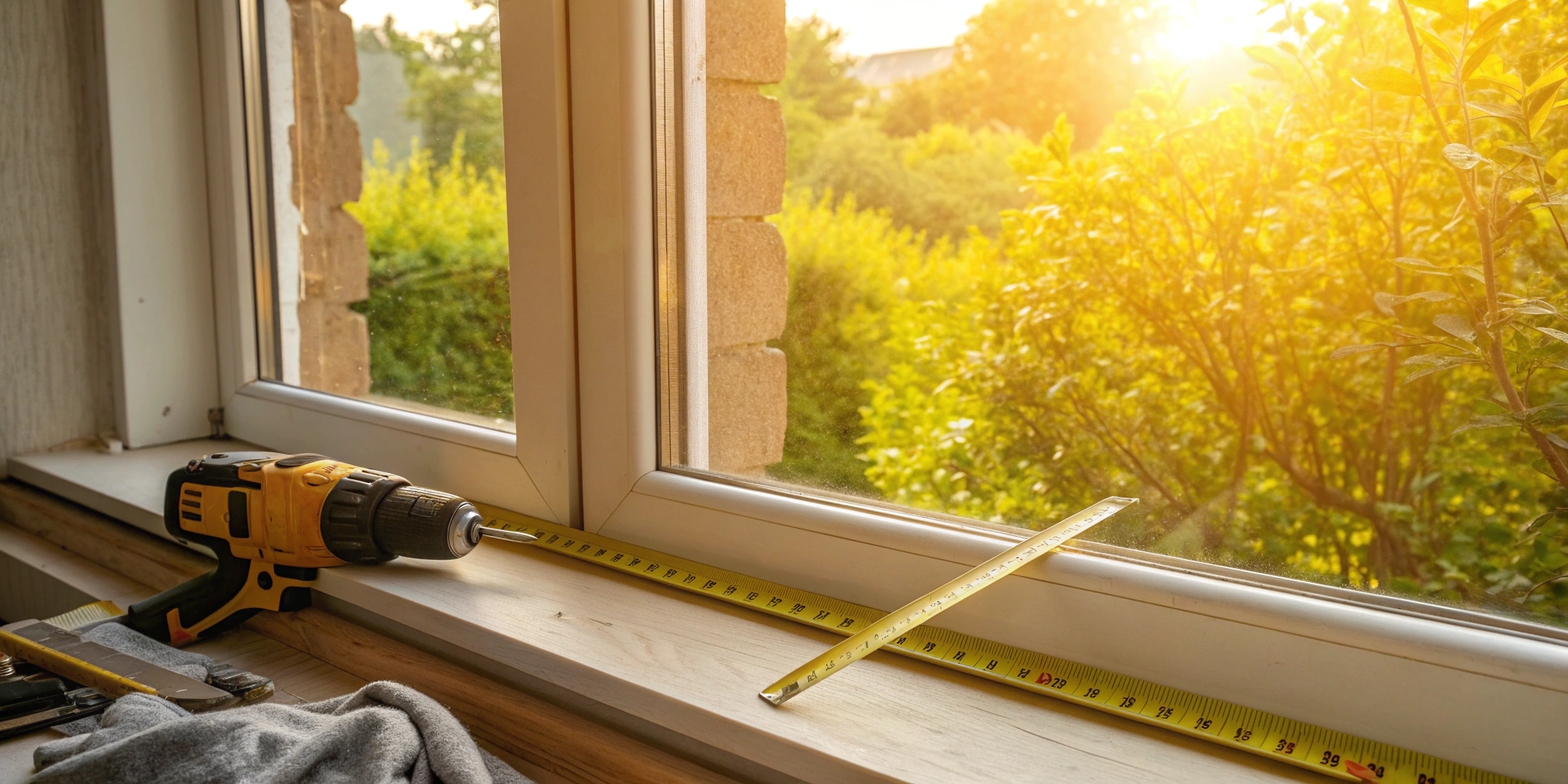
That persistent draft you feel every winter isn’t just in your head. It’s a sign your windows might be failing. Over time, seals break, frames warp, and the technology that once kept your home comfortable becomes outdated. You might also notice condensation between the panes or see your energy bills creeping up month after month. These small annoyances are your home’s way of telling you it’s time for an upgrade. Deciding on a full home window replacement is a big step, but it’s one of the most effective ways to improve your home’s comfort and efficiency. This guide will walk you through the warning signs and show you how new windows can transform your living space.
Key Takeaways
- Focus on lifetime cost, not just the initial price: The cheapest windows can cost you more in the long run through high energy bills and early replacement. A smart investment in quality materials and professional installation pays for itself in savings and durability.
- Decode the energy efficiency label to save money: Look for the ENERGY STAR certification to easily identify high-performing windows. For New Jersey’s climate, choose windows with a low U-Factor for better insulation and a low SHGC to block summer heat.
- Your windows are only as good as their installation: A poor installation can void warranties and lead to drafts and water damage, erasing any potential savings. Hiring a reputable professional is essential to protect your investment and ensure your new windows perform perfectly.
Is It Time to Replace Your Windows?
Have you ever sat by a window in the winter and felt a persistent chill? Or maybe you’ve noticed your air conditioning works overtime in the summer. Your windows are more than just panes of glass; they are a critical part of your home’s comfort, appearance, and energy efficiency. Over time, even the best windows wear out. Seals fail, frames warp, and technology simply gets better.
Deciding to replace your windows is a big step, but it often starts with noticing small problems that add up. Understanding the warning signs can help you determine if you’re just dealing with minor issues or if it’s truly time for an upgrade. And when you see the real benefits that new windows bring, you’ll understand why it’s one of the most valuable improvements you can make to your home.
Signs Your Windows Need an Upgrade
If your energy bills are climbing, your windows might be the reason. Old, inefficient windows can be responsible for 25% to 30% of your home’s energy loss, forcing your heating and cooling systems to work much harder. You might also feel noticeable drafts when you stand near them. Another clear sign is difficulty opening, closing, or locking a window—this often indicates a warped frame or a failing mechanism. Look for condensation between the glass panes; this means the seal has broken and any insulating gas has escaped. Finally, don’t ignore the visual cues. Faded, chipped, or cracked frames not only look bad but can also be a sign of water damage or rot.
The Real Benefits of New Windows
Upgrading your windows is a smart, long-term investment that pays you back in multiple ways. The most significant advantage is improved energy efficiency. Modern energy-efficient windows help maintain a consistent temperature inside, making your home more comfortable year-round while lowering your utility bills. Beyond savings, new windows can dramatically enhance your home’s curb appeal and increase its resale value. They also offer better security with modern locking systems and can reduce outside noise, creating a quieter, more peaceful living space. While the initial cost is a factor, the combination of energy savings, added comfort, and increased home value makes window replacement a worthwhile project.
Exploring Your Window Options
Once you’ve decided to replace your windows, the next step is figuring out which new windows are right for you. The options can feel endless, but it really comes down to three key things: the style of the window, the material of the frame, and its energy-efficient features. Thinking through each of these will help you find the perfect fit for your home’s look, your budget, and your long-term comfort. It’s about finding a balance between aesthetics and performance that works for your New Jersey home.
A Guide to Window Styles
The style of your window affects everything from your home’s curb appeal to its airflow. Double-hung windows are a classic choice, with two sashes that slide up and down for easy cleaning and ventilation. Casement windows, which crank open outward, offer an unobstructed view and excellent airflow. For rooms where you want to maximize natural light, picture windows are a great stationary option. Each style has its own benefits, so consider how you use each room before making a choice. When you start shopping, especially for popular vinyl windows, look for the Energy Star® label to ensure you’re getting a product that meets high efficiency standards.
Choosing the Right Frame Material
The frame is the backbone of your window, and the material you choose impacts its durability, maintenance, and appearance. Vinyl frames are a popular, cost-effective option that requires very little upkeep. Wood offers a timeless, traditional look but needs regular maintenance to prevent rot and warping. Fiberglass is incredibly strong and energy-efficient, while aluminum is lightweight and durable. To make the best choice for our climate, you’ll want to look at performance ratings like the U-Factor (how well it insulates) and SHGC (how much solar heat it blocks). A lower U-Factor is generally better for keeping your home comfortable year-round.
Key Energy-Efficient Features
Investing in energy-efficient windows is one of the smartest moves you can make for your home. These windows do more than just look good; they create a more comfortable indoor environment by preventing drafts and regulating temperature. This translates directly into lower heating and cooling bills. Look for features like double- or triple-pane glass, which provides extra layers of insulation. Low-E (low-emissivity) coatings are another key feature—they’re invisible metallic layers that reflect heat, keeping your home warmer in the winter and cooler in the summer. While high-performance windows may have a higher upfront cost, the long-term energy savings and improved comfort make them a truly worthwhile investment.
A Look at Top Window Brands
Choosing a window brand can feel like a huge decision, and it is! The brand you pick influences everything from your home’s curb appeal to your monthly energy bills. The good news is that there are fantastic options available to fit different budgets, styles, and performance needs. Think of this as a starting point to get familiar with some of the most trusted names in the industry. We’ll walk through what makes each one stand out, so you can get a clearer picture of which brand might be the right partner for your home renovation project. Remember, the best brand is the one that meets your specific goals for aesthetics, efficiency, and long-term value.
Garden State Brickface and Siding
While we don’t manufacture windows ourselves, our expertise lies in helping you select the perfect brand for your home and ensuring a flawless installation. With decades of experience in New Jersey, we’ve worked with all the top manufacturers and understand the nuances of each product line. Our customers consistently praise our team’s professionalism, clear communication, and meticulous craftsmanship. We handle every aspect of the window replacement process, from the initial consultation to the final cleanup, making sure your new windows not only look great but also perform perfectly for years to come. Think of us as your expert guide and installer, dedicated to bringing your vision to life with the best products on the market.
Andersen Windows
Andersen is one of the most recognized names in the window industry, and for good reason. They have a long-standing reputation for producing durable, beautiful, and highly energy-efficient windows. Andersen Windows offers a wide variety of materials, including wood, vinyl, and their own innovative Fibrex composite material, which combines strength and excellent insulation. Homeowners often choose Andersen for their classic aesthetic appeal and robust performance. Plus, their products are backed by strong warranties, giving you confidence in your investment and peace of mind that your windows are built to last through New Jersey’s changing seasons.
Pella Windows
If customization and design innovation are at the top of your list, Pella is a brand worth exploring. Pella Windows is known for its incredible range of styles, materials, and features, including options like between-the-glass blinds and shades. Whether your home is modern, traditional, or somewhere in between, Pella likely has a product line that fits your vision perfectly. They are constantly pushing the envelope with new technologies to improve energy efficiency and ease of use. This commitment to quality and aesthetic versatility has made them a trusted choice for homeowners who want their new windows to be a true design statement.
Simonton Windows
For homeowners looking for a fantastic balance of affordability, quality, and energy efficiency, Simonton is an excellent option. Specializing in vinyl windows, Simonton Windows has earned a reputation for producing reliable products that deliver great performance without breaking the bank. Their windows come in a variety of styles and colors, making it easy to find a look that complements your home’s exterior. Simonton is also frequently praised for its outstanding customer service and comprehensive warranty programs, which shows their commitment to standing behind their products and ensuring their customers are happy long after installation day.
Milgard Windows
Milgard is another top contender, particularly known for its high-quality vinyl and fiberglass windows. They offer a sleek, modern aesthetic that appeals to many homeowners, along with a wide range of customization options to suit different architectural styles. Milgard Windows places a strong emphasis on energy efficiency, helping you keep your home comfortable and your utility bills down. What truly sets them apart for many is their industry-leading Full Lifetime Warranty, which often includes coverage for labor. This level of protection provides incredible peace of mind, making Milgard a solid investment for any home.
Breaking Down Window Replacement Costs
Let’s talk numbers. Figuring out the budget for new windows can feel like a huge hurdle, but it doesn’t have to be. The final price tag depends on a few key choices you’ll make along the way. Understanding these factors will help you get a clear picture of the investment and ensure you’re putting your money where it counts. Think of it less as a cost and more as an investment in your home’s comfort, value, and curb appeal. When you know what goes into the price, you can make confident decisions that fit your budget and your home’s needs perfectly.
What Influences the Final Price?
Several key elements come together to determine the total cost of your project. The style of the window—whether it’s a simple double-hung or a more complex bay window—plays a big role. The frame material you choose, like vinyl, wood, or fiberglass, will also significantly impact the price. Naturally, larger or custom-sized windows cost more than standard sizes. Finally, the type of glass, such as double- or triple-pane with special coatings, and the complexity of the installation itself are major factors. It’s tempting to focus only on the lowest price, but remember that quality windows are a long-term investment. Opting for the cheapest option might mean you’ll be replacing them again sooner than you’d like.
Average Costs by Window Type
Pinpointing an exact “average” cost is tricky because every home is unique. However, you can generally expect the price per window to range from several hundred to over a thousand dollars, depending on the factors we just covered. For a typical house, replacing all the windows is a significant project, and the total can vary widely based on your selections. A home needing 10 basic vinyl windows will have a very different budget from a home getting custom wood-clad windows. The best approach is to get a detailed quote based on your specific needs, which will give you a much more accurate financial picture than any generic estimate can.
Don’t Forget These Hidden Costs
When you’re budgeting, it’s important to look beyond the initial quote for the windows themselves. Sometimes, unexpected costs can appear later. For example, if a window isn’t installed perfectly, it can leave small gaps. These gaps might not seem like a big deal, but they can lead to drafts and air leakage, driving up your energy bills over time. A professional installation is crucial to prevent this and ensure your new windows perform as they should. This is true for any major home exterior project, from new siding to a full roof replacement. Investing in quality work upfront saves you from surprise expenses and headaches down the road.
Decoding Energy Efficiency Ratings
When you start shopping for windows, you’ll see a lot of labels with numbers and ratings. It might seem a bit technical, but understanding these ratings is the key to choosing
What Does ENERGY STAR Certified Mean?
The easiest way to spot an energy-efficient window is to look for the ENERGY STAR label. This is a government-backed symbol that means the product meets strict energy efficiency guidelines set by the EPA. To earn this certification, windows must be tested and verified by an independent lab. It’s a reliable shortcut that tells you a window is designed to lower your energy bills and reduce your carbon footprint. Many top brands offer certified windows with features like low-e glass coatings and insulated frames, so you’ll have plenty of high-quality options to choose from.
U-Factor and SHGC: What You Need to Know
Two of the most important numbers on a window’s label are the U-Factor and the Solar Heat Gain Coefficient (SHGC).
- U-Factor: This measures how well the window insulates, preventing heat from escaping your home. The scale typically ranges from 0.20 to 1.20. A lower U-Factor means better insulation, which is crucial for keeping your home warm during New Jersey winters.
- SHGC: This measures how much heat from the sun the window blocks. The SHGC is a number between 0 and 1. A lower SHGC means the window lets in less solar heat, which helps keep your home cooler in the summer and reduces your air conditioning costs.
Calculating Your Long-Term Savings
Investing in high-performance windows with great energy ratings might have a higher upfront cost, but it’s a decision that pays for itself over time. The money you save on heating and cooling bills month after month can add up to a substantial return on your investment. Beyond the financial savings, you’re also paying for enhanced comfort. Energy-efficient windows help eliminate drafts and maintain a more consistent temperature throughout your home, making it a more pleasant place to be year-round. When you consider the long-term benefits, choosing quality windows is one of the smartest upgrades you can make.
Common Budgeting Mistakes to Avoid
Budgeting for new windows can feel like a balancing act. You want high-quality, beautiful windows that will last, but you also have to stick to a realistic number. It’s easy to get fixated on the initial price tag, but that’s often where costly mistakes begin. A smart window replacement budget looks at the big picture—not just what you pay today, but what you’ll save (or spend) over the next 20 years. Thinking about the long-term value of your investment is key. This means considering everything from the durability of the materials to the quality of the installation. A slightly higher upfront cost for better windows and professional service can save you thousands in energy bills and future repairs. It’s about making an informed decision rather than a purely price-driven one. When you shift your mindset from ‘what’s the cheapest?’ to ‘what’s the best value?’, you set yourself up for success. This section is designed to help you do just that. We’ll break down the common financial pitfalls so you can approach your project with confidence, ensuring every dollar you spend is a smart investment in your home’s comfort, efficiency, and curb appeal. Let’s walk through these traps and how to sidestep them.
Looking Beyond the Upfront Cost
It’s tempting to grab the cheapest option and call it a day, but the initial price tag rarely tells the whole story. Cheaper windows might save you money right now, but they often come with hidden costs. Lower-quality materials can warp, crack, or fail within a few years, forcing you to pay for a full replacement all over again. Instead of focusing only on the upfront price, think about the lifetime cost. High-quality, energy-efficient windows might require a larger initial investment, but their durability and superior insulation will pay you back through lower energy bills and fewer maintenance headaches.
Factoring in Professional Installation
A top-of-the-line window is only as good as its installation. One of the biggest budgeting mistakes is underestimating the cost and importance of having your windows installed by experienced professionals. A poor installation job can lead to drafts, water leaks, and even structural damage to your home, completely negating the benefits of your new windows. When you get a quote, make sure it includes professional installation from a reputable team. This ensures your windows perform exactly as they should, maximizing their energy efficiency and lifespan while protecting your warranty.
Considering Future Maintenance
When you’re planning your budget, don’t forget to think about future upkeep. Some window materials require more maintenance than others. Wood windows, for example, are beautiful but need regular painting or staining to protect them from the elements. Vinyl or fiberglass windows, on the other hand, are incredibly durable and require little more than occasional cleaning. Investing in low-maintenance materials might cost a bit more initially, but it saves you significant time, effort, and money on maintenance supplies over the life of the windows. This is a crucial part of calculating the true long-term cost.
Why the Cheapest Quote Isn’t Always the Best
Getting multiple quotes is a smart move, but automatically choosing the lowest one can be a recipe for regret. An unusually low bid can be a red flag for lower-quality products, rushed workmanship, or a contractor who cuts corners. This approach might save you a little money upfront, but it often leads to much higher costs down the line when you’re dealing with poor performance or premature window failure. A trustworthy home improvement contractor will provide a detailed quote that balances fair pricing with high-quality materials and expert installation, ensuring your investment is a worthwhile one.
How to Compare Window Brands Like a Pro
Once you’ve narrowed down your preferred style and material, it’s time to compare the brands themselves. This can feel like the most technical part of the process, but don’t let the jargon intimidate you. Thinking like a pro just means knowing what to look for beyond the brand name and price tag. It’s about understanding what makes a quality window and ensuring you’re making a smart investment for your home.
Focus on three key areas: the warranty that backs the product, the performance ratings that prove its efficiency, and the detailed quotes that outline the total cost. By breaking down your comparison into these manageable steps, you can confidently select the best windows for your home’s needs and your budget. This approach helps you look past the marketing and focus on the long-term value and comfort your new windows will provide.
Understanding Warranties and Guarantees
A window warranty is more than just a piece of paper; it’s the manufacturer’s vote of confidence in their own product. When you’re comparing brands, look closely at what the warranty covers. Does it include the glass, the frame, and the hardware? Is the warranty transferable to the next homeowner? A strong, comprehensive warranty is a sign of a quality product. Investing in high-performance windows with a solid guarantee might feel like a bigger expense upfront, but the long-term energy savings and peace of mind make it a wise choice. Don’t be afraid to ask your contractor to walk you through the warranty details for each brand you’re considering.
How to Read Performance Ratings
Every new window comes with a sticker from the National Fenestration Rating Council (NFRC) that’s packed with performance ratings. Understanding these numbers is key to choosing an energy-efficient window that’s right for New Jersey’s climate. The two most important are the U-Factor, which measures how well the window prevents heat from escaping, and the Solar Heat Gain Coefficient (SHGC), which measures how well it blocks the sun’s heat. For both, a lower number generally means better performance. You might also see an STC rating, which tells you how well the window blocks sound—a higher number is better for a quieter home.
Getting and Comparing Multiple Quotes
Never settle for the first quote you receive. The best practice is to get detailed, itemized estimates from at least three reputable contractors. When you compare quotes, don’t just look at the bottom-line price. Check the line items to see if you’re truly comparing apples to apples. Does one quote include disposal of the old windows while another doesn’t? Are the window brands and models identical? Also, be sure to compare the installation warranties offered by each contractor. A great window can still fail if it’s installed improperly, so a contractor who stands behind their work is essential.
DIY vs. Professional Installation: Which is Right for You?
When it comes to replacing your windows, the temptation to go the DIY route can be strong. It seems like a straightforward way to save some money, and who doesn’t love a good home project? But window installation is one of those jobs where precision is everything. It’s more than just fitting a frame into a hole; it’s about creating a perfect, weatherproof seal that protects your home and keeps your energy bills in check. An improperly installed window can lead to drafts, water damage, and even structural issues down the road, quickly erasing any initial savings.
Choosing between DIY and professional installation comes down to weighing upfront costs against long-term performance and peace of mind. While handling the job yourself means you only pay for the windows, hiring a professional is an investment in quality, expertise, and ensuring the job is done right the first time. A pro team has the specialized tools, experience with local building codes, and the skill to handle any unexpected challenges that pop up. For a project this critical to your home’s comfort and value, bringing in an expert is often the smartest move.
Why Professional Installation Matters
Even the highest-quality window will underperform if it’s not installed correctly. The most critical part of the process is creating a flawless seal between the window frame and your home’s structure. Professionals are trained to do this perfectly, preventing the air leaks that cause drafts and drive up your energy costs. A poor installation can also void your new windows’ warranty, leaving you without coverage if something goes wrong. Think of it this way: the installation is just as important as the window itself. Hiring an experienced team ensures your investment is protected and performs exactly as it should for years to come.
How to Find a Reputable Contractor
Finding the right team for your window replacement project is key. Start by looking for established local companies with a strong track record. A great contractor will be transparent and happy to answer all your questions. When vetting potential installers, make sure you verify their licensing and insurance to protect yourself. Ask for recent references you can speak with and look at their portfolio of completed projects. It’s also essential to get a detailed, written quote that outlines the full scope of work and review the warranty terms for both the product and the labor. A trustworthy company will stand behind their work.
What to Expect on Installation Day
A professional installation process should be smooth and organized. Before the crew arrives, it’s a good idea to clear any furniture or decorations away from the windows they’ll be working on. The installers will begin by carefully removing your old windows and inspecting the openings for any damage. Then, they’ll expertly fit, level, and secure your new windows, ensuring a perfect, airtight seal. After installation, they’ll finish the interior and exterior trim and conduct a thorough cleanup, leaving your space as tidy as they found it. Your lead installer should walk you through the finished work to ensure you’re completely satisfied.
Finding Deals and Financing for Your Project
A full window replacement is a significant investment in your home’s comfort, value, and curb appeal. But a big price tag doesn’t have to be a barrier. With a little planning, you can find ways to make the project more affordable without cutting corners on quality. From seasonal promotions to smart financing and savvy quote comparisons, here’s how you can manage the cost of your new windows.
Keep an Eye Out for Promotions and Rebates
Timing your project can lead to some serious savings. Many window manufacturers and installation companies offer seasonal promotions, especially during slower periods. It’s always worth asking your contractor if they have any current deals or upcoming sales.
You should also look into government incentives. Because energy-efficient windows reduce strain on the power grid, federal, state, and even local programs often offer tax credits or rebates for upgrading. The New Jersey Clean Energy Program, for example, provides rebates for installing qualifying ENERGY STAR certified windows. These programs can change, so check for the latest offers before you buy.
Paying for your entire window project out-of-pocket is one way to go, but it’s not your only choice. Many homeowners use financing to spread the cost over time, making it a much more manageable expense. A lot of contractors, including us, offer financing options to help you get your project started sooner.
Other common routes include a home equity line of credit (HELOC) or a personal loan from your bank. There are also government-backed programs designed to help families with home repairs. The Weatherization Assistance Program, for instance, helps low-income households lower their energy bills by making their homes more energy-efficient, which can include window upgrades.
Tips for Getting a Competitive Quote
Never settle for the first quote you receive. To make sure you’re getting a fair price for high-quality work, you should get estimates from at least three different reputable contractors. This gives you a clear picture of the market rate and helps you spot any outliers—quotes that are either too high or suspiciously low.
When you get a quote, ask for an itemized breakdown. This should detail the cost of the windows themselves, labor, materials, and any fees for disposal of your old windows. Comparing itemized quotes helps you see exactly what you’re paying for. Also, be sure to compare the warranty policies for both the window products and the installation. A strong warranty is a sign that the company stands behind its work.
Caring for Your New Windows
You’ve made a fantastic investment in your home with new windows. They look great, improve your home’s energy efficiency, and add value. Now, the key is to keep them that way. Proper care is simpler than you might think, but it’s essential for protecting your investment and ensuring your windows last for decades. A little routine maintenance goes a long way in preserving their beauty, function, and energy-saving performance. From basic cleaning to understanding your warranty, here’s what you need to know to get the most out of your new windows.
Simple Cleaning and Maintenance Tips
Keeping your windows sparkling is about more than just looks; it’s about preventing long-term issues. Regular cleaning is your first line of defense. In a place like New Jersey, humidity can encourage mold and mildew growth, so it’s smart to wipe down frames and sills often. For the glass, a simple solution of mild soap and water or a vinegar-based cleaner works wonders. The material of your window frames also plays a role in maintenance. Modern window options like vinyl and fiberglass are fantastic because they don’t corrode and are incredibly easy to clean. Just a quick wipe-down is usually all they need. While you might power-wash your siding, be careful around windows—a high-pressure stream can damage seals and compromise their efficiency.
How to Keep Your Warranty Valid
Your window warranty is a valuable safety net, but it’s a two-way street. To keep it active, you need to follow the manufacturer’s guidelines. The process starts with proper installation, which is why hiring a certified professional is non-negotiable. An improperly fitted window not only performs poorly but can also void your warranty from day one. Once installed, take some time to actually read the warranty documents. Look for specifics on what’s covered—is it just the product, or does it include labor? Also, be aware of actions that could void it, like painting vinyl frames or using abrasive cleaning chemicals. Understanding these terms helps you avoid costly mistakes. Reputable windows are often certified by programs like InstallationMasters, which ensures they meet high performance and quality standards.
Related Articles
Frequently Asked Questions
How long will my new windows last? High-quality windows are built for the long haul. When you choose a reputable brand and have them installed by a professional team, you can expect them to last 20 years or even longer. The key factors are the material you choose and the quality of the installation. A well-made vinyl or fiberglass window will hold up beautifully against the elements, and a perfect installation ensures the seals and mechanisms perform as they should for decades.
Do I have to replace all my windows at the same time? Not at all. While replacing all your windows at once provides a consistent look and maximizes your home’s energy efficiency in one go, it’s a big project. Many homeowners choose to replace their windows in phases to make the investment more manageable. A good strategy is to start with the rooms that have the most significant issues, like drafty bedrooms or sun-beaten living rooms, and then plan for the rest of the house down the road.
What time of year is best to replace windows? While you can technically replace windows any time of year, many people find that spring and fall offer the most comfortable conditions. The milder weather means your home is open to the elements for only a very short time. That said, a professional installation crew is equipped to work efficiently in any season, using techniques to minimize heat loss in the winter or keep your home cool in the summer during the process.
How much will I actually save on my energy bills? The amount you save really depends on the condition of your old windows and the efficiency of the new ones you choose. If you’re upgrading from old, single-pane windows that are drafty and poorly sealed, you will see a significant drop in your heating and cooling costs. While every home is different, replacing old windows can reduce the 25% to 30% of energy that’s typically lost through them, which translates into real, noticeable savings month after month.
Which window frame material is best for New Jersey’s weather? For our varied New Jersey climate, with its humid summers and cold winters, materials like vinyl and fiberglass are excellent choices. They are incredibly durable and won’t rot, warp, or corrode when exposed to moisture and fluctuating temperatures. They also require very little maintenance, which is a huge plus. These materials provide great insulation, helping to keep your home comfortable and your energy bills stable no matter what the weather is doing outside.