How to Measure for Replacement Windows in NJ Homes
Replacement windows that do not fit perfectly can leak air and waste energy. New Jersey homeowners can prepare for a consultation by recording careful width, height, depth, and diagonal measurements before an expert confirms the final order size.
Schedule a professional replacement window consultation to have your measurements, frame condition, and options confirmed before ordering.
To measure for replacement windows, record the frame-to-frame width at the top, middle, and bottom, then record the height on the left, center, and right. Keep the smallest width and height. Check depth and both diagonal measurements, but have a professional confirm every final measurement before ordering.
Knowing your preliminary measurements helps you discuss styles and project scope with our in-house crew. Start with this practical checklist, and note any damage that may point to full-frame replacement.
How to measure for replacement windows: the quick checklist
Measuring your windows is a great first step for your home project. These sizes help you get the right quote and plan your budget. While our team will take the final counts, your first look helps the work move faster. You can start by looking at your current window frame to see if it is in good shape.
Start with a visual check
Before you pull out the tape, look for signs of wear. Check the wood around the window for any rot or soft spots. If you find damage, you might need more than just a new pane. You should also check if the frame is square. A frame that is out of shape can lead to air leaks or trouble with opening the sash. For high-quality window replacement in New Jersey, we ensure every frame is sturdy and safe.
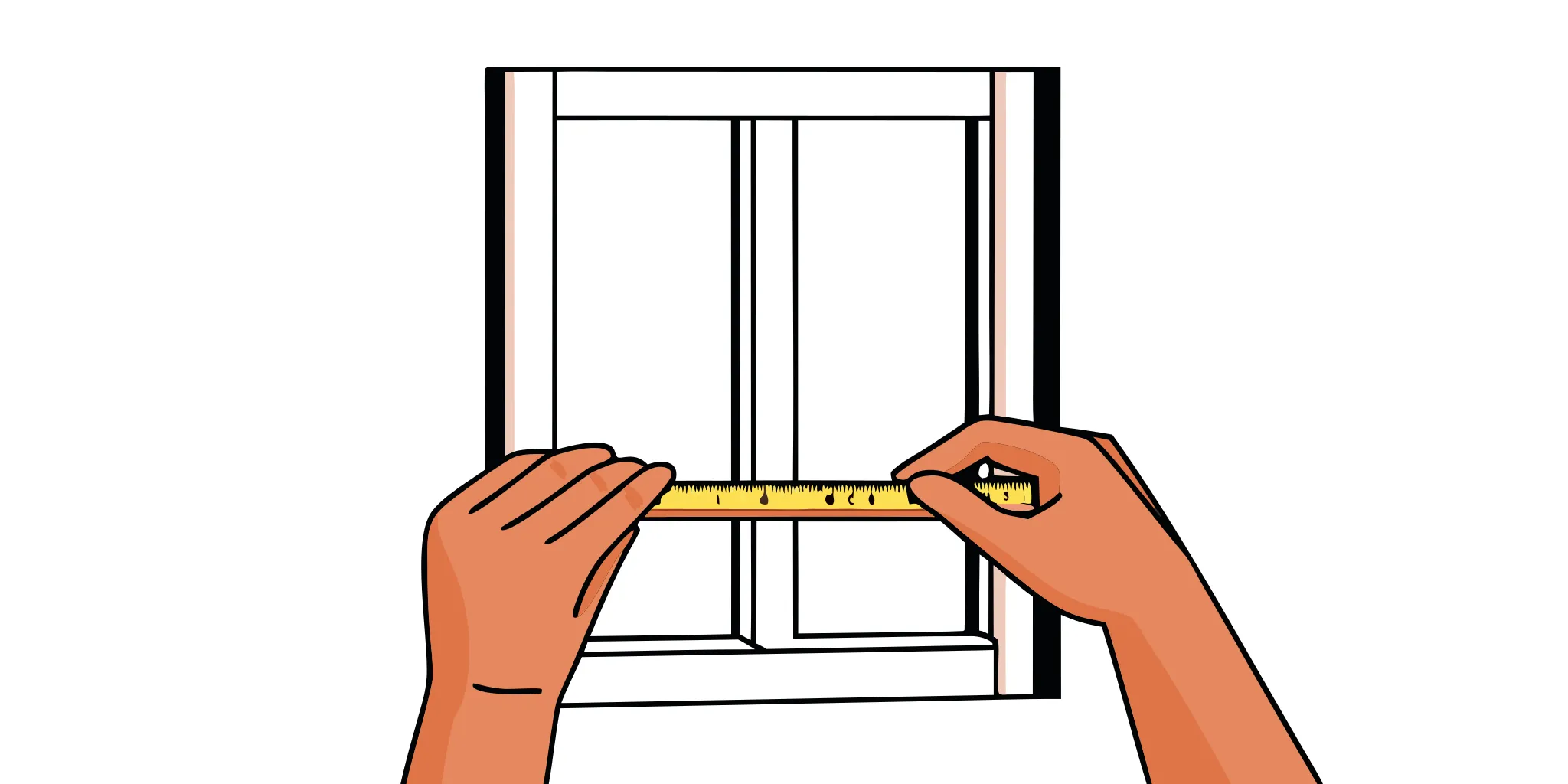
- Find the width of the opening in three spots. Check the top, middle, and bottom of the frame. Write down the smallest of these three numbers.
- Find the height from the sill to the top of the window opening. Do this on the left, center, and right sides. Use the smallest number for your plan.
- Always measure from frame to frame. Do not just look at the glass area. Getting the full opening size is key for a good fit.
- Check the depth of the window frame. Most new windows need at least 3.25 inches of space to sit right in the wall.
- Check if the frame is square by counting from corner to corner. If the two cross counts are the same, your window is square.
Understand your window parts
To get the best sizes, you must know the parts of the frame. The head is the main bar at the top of the window. The sill is the flat piece at the bottom where water can run off. The jambs are the sides of the frame. Knowing these names helps you talk with our pro team about your needs. It also helps you find the right spots to place your tape for the best results.
When you measure, keep in mind that building codes have strict rules for safety. For example, rooms for sleep must have at least one window that meets egress rules for a safe exit. Codes also set rules for how much light and air a room must get. Our team knows these local NJ laws and will make sure your new windows follow every rule for your home.
Why a pro count matters
Your sizes are perfect for getting a quick price. But small errors can lead to big gaps or windows that do not close. Our crew will visit your home to take the final, exact counts. We look for hidden flaws like frame rot or wall shifts that you might miss. This visit ensures that your custom windows fit tight and keep your home warm in the winter.
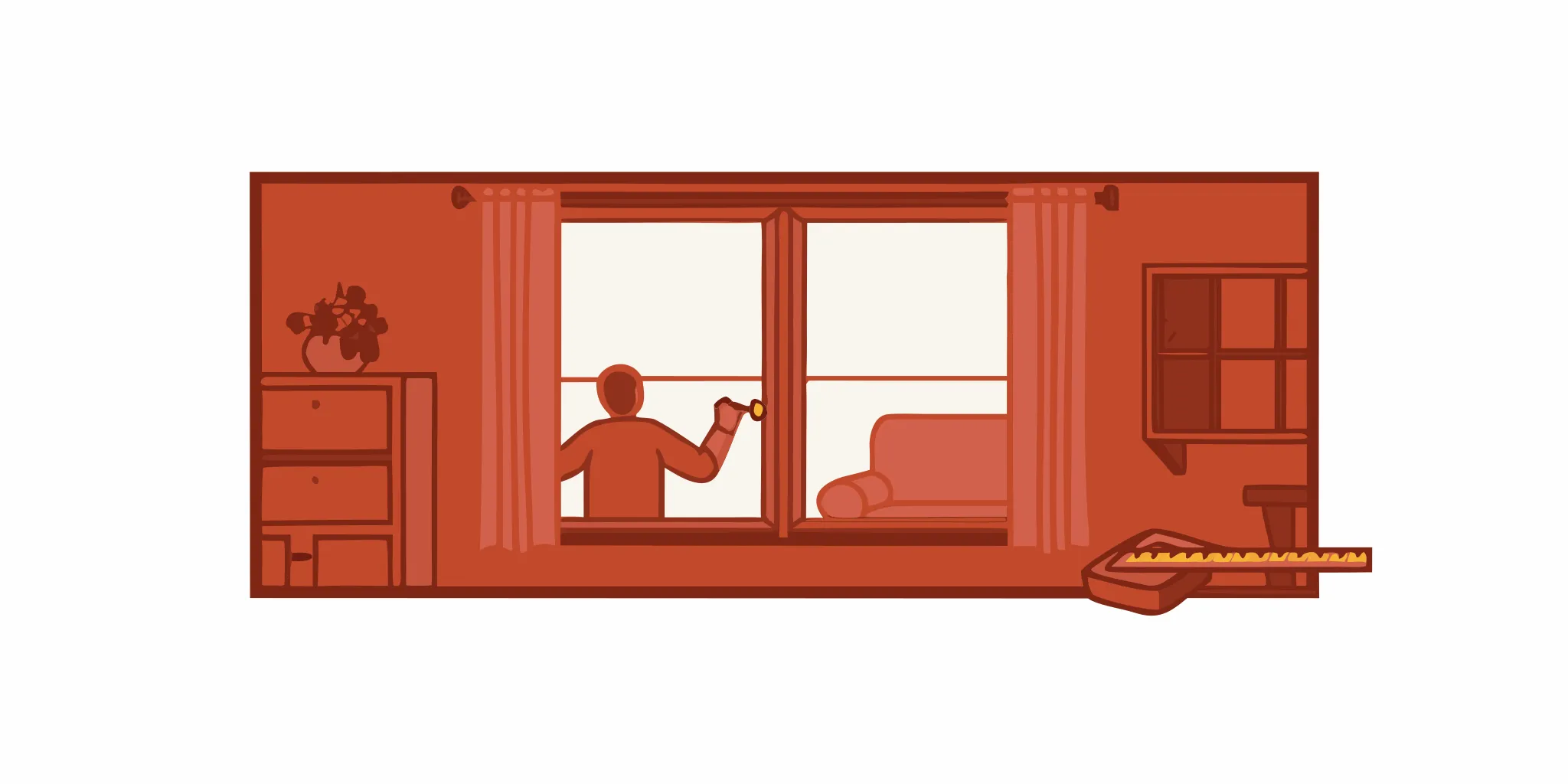
Measure the window width at three points
When you start to learn how to measure for replacement windows, the width is the first key step. You must get the exact space between the left and right sides of the frame. This ensures your new unit will fit well without big gaps. It is vital to measure the frame-to-frame opening rather than just the glass area. Measuring only the glass is a common error that leads to the wrong size.
Finding the side jambs
To get the right width, you need to find the side jambs. These are the vertical parts of the window frame. Open the window or remove the trim to see the jamb clearly. Place your tape measure against the surface of the jamb on one side. Then, pull it across to the same spot on the other side. Clear away any dirt or loose paint so the tape sits flat. This small task makes a big difference in how well the window works later.
Top, middle, and bottom checks
A window frame might not be fully straight due to age or settling. This is why you must measure the width in three spots. Take one size reading at the top of the frame. Take a second one in the middle, near the lock. Finally, take a third one at the bottom. Check these three numbers to see if they vary. Even a small shift of a fraction of an inch matters for a tight seal.
- Measure at the very top of the opening.
- Measure across the middle of the glass.
- Measure at the very bottom near the sill.
Recording the smallest width
Once you have your three numbers, look for the smallest one. This is the figure you will use when you order your windows. Using the smallest width ensures the new unit can slide into the opening without getting stuck. It is helpful to make a clear drawing of your floor plan to note these sizes. This helps when you talk to your contractor or look at building code rules for your area.
Always double check your math. It is easy to misread a tape measure by a half inch. Write each number down as soon as you take it. Do not try to remember all three in your head. Most pros suggest taking each size twice to be sure. This helps you find any errors before you buy a window that does not fit.
Avoiding common mistakes
One of the biggest mistakes is not checking if the frame is square. A frame can be the right width but still be crooked. You should measure from corner to corner in an X shape. If the two numbers are the same, the frame is square. Checking for a square frame is a key part of window maintenance and repair work. It ensures the new window opens and closes smoothly.
Keep in mind that your DIY numbers are for a rough estimate. For a perfect fit, you should book a professional window replacement consultation. An expert will check for things like wood rot or frame damage. They will make sure the new windows meet all safety rules. This prevents air leaks and helps your home stay warm and dry all year.
Measure the window height at three points
Getting the right height for your new windows is vital for a tight seal. Just like the width, you must measure the height in three spots. Old homes often settle over time. This can cause the frame to shift or tilt. Measuring in three places helps you find the smallest space for your new unit.
Check the left, center, and right
You need to find the distance from the head jamb to the sill. The head jamb is the top horizontal part of the frame. The sill is the bottom ledge where the window rests. Run your tape measure from the top to the bottom on the left side. Then check the middle and the right side.
Always use the smallest of these three numbers when you plan your project. This ensures your expert window installation goes smoothly. It keeps the unit from being too tall for the opening. Even a small error can lead to gaps that let in cold air or water.
Look for sloped sills and trim
Many windows have a sloped sill to help water run off. Make sure you measure from the highest point of the sill. This is usually right next to the window sash. Do not measure from the trim or the stool that sticks out into the room. You want the height of the actual opening where the window sits.
Local laws often have rules about window size for safety. For example, sleeping rooms must have at least one window that meets codes for fire safety. These rules ensure people can get out of the house in a crisis. If you are not sure if your opening meets these codes, it is best to ask a pro.
When to call for help
Taking your own measurements is a great first step for a quote. It helps you see the scope of the job and what you might need. But for a final order, you should always have a pro take a look. They can check for rot or frame issues that might change the size you need.
If you live in New Jersey, you can get a professional window replacement consultation to ensure a perfect fit. Pros have the tools to find the exact size for your home. This prevents costly mistakes and ensures your new windows work well for years to come.
Check depth, square, and window condition
Learning how to measure for replacement windows means looking at more than just the space size. You must check if the old frame is still in good shape. A deep and square frame is needed for a tight fit. If the frame is not square, the new window might not open or close right. This can also lead to air leaks that waste heat and cool air in your home.
Finding the square of the frame
To see if your window space is square, you should check it with a tape measure. You do this by measuring the frame from one corner to the corner across from it. Repeat this for the other two corners to get a diagonal measure. You should measure the window space from corner to corner to see if the frame is square. If the two diagonal numbers are the same, your frame is square.
If the numbers are far apart, the opening is “out of square.” This happens as a home settles over time. A pro can often fix this with shims or by making small changes to the rough space. Knowing this now helps you plan for the work ahead. It also ensures your new windows work as they should for years to come.
Checking depth and frame state
The depth of your window frame is the space between the inside and outside trim. Most new units need a flat space to sit in the frame. You should also look for rot, soft wood, or mold on the sills. If the wood is soft, it cannot hold the weight of a new unit. Our team at Garden State Brickface & Siding gives expert window setup to fix these tricky frame issues for you.
You should also check how the old window moves. Open and close the sash to see if it binds or sticks. If the frame is warped, the window may not move freely. Also, look for gaps where the window meets the wall. These gaps can let in rain and pests. Finding these problems early allows you to fix the root cause before you put in new glass.
Meeting local safety rules
When you plan your project, you must think about building codes. These rules often say that a bedroom needs a big window. This allows a person to exit during a fire. These safety rules for a fast exit are a key part of home safety. Some rooms also need a certain amount of glass to let in light and fresh air. Checking these facts now will help you pick the right window type for each room in your NJ home.
It is best to use the smallest numbers you find when you think about the fit. Using the smallest size helps ensure the new unit will slide into the space without a struggle. While you can take these steps on your own to get a price, a pro should always do the final check. You can book an expert window visit with us to make sure every size is perfect before you buy your windows.
When might you need full-frame replacement?
Many people start by asking how to measure for replacement windows when they see a draft. But you first need to know which type of job you need. There are two main ways to swap out a window. You can pick an insert or a full-frame job. An insert fits inside your old frame. A full-frame job removes every part down to the house studs.
For many older homes in New Jersey, a full-frame swap is the only safe choice. This is often true when the wood around the glass has begun to fail. If you are not sure, an expert window replacement check can help you pick.
Signs of wood rot and water damage
If you see soft wood or peeling paint on your sills, you likely have rot. Water often leaks into the walls through small cracks. This can cause deep harm that you cannot see from the outside. If the wood is soft to the touch, it cannot hold a new window well.
In these cases, you must pull out the entire frame. This lets a team check for mold or big damage in the wall. New Jersey’s wet winters and humid summers can make wood rot a common problem for older brick and siding homes. You should check the corners of your frames for dark spots or soft spots twice a year.
Better energy seals and larger views
A full-frame job often leads to energy efficient windows that save you more money over time. When you remove the old frame, the crew can add new foam in the rough opening. This stops air from leaking through the gaps.
It also gives you more glass space. Since an insert window sits inside an old frame, the view area gets smaller. A full-frame unit goes right to the studs, which keeps your view as large as possible. This is a big plus for homeowners who want more light in their rooms.
Bowed openings and structural concerns
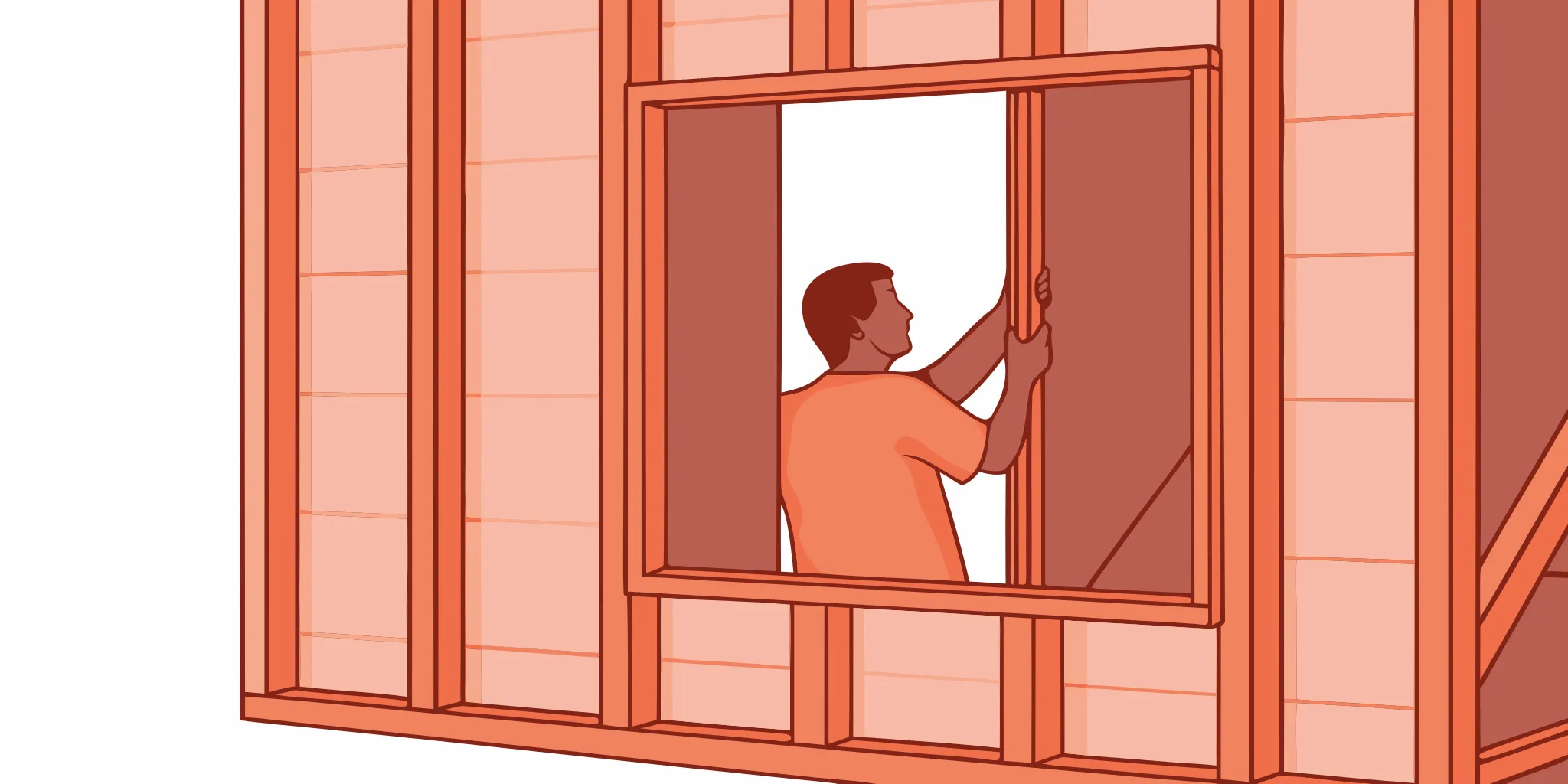
Sometimes the house itself shifts over time. You might notice that your current windows are hard to open or close. This can mean the frame is no longer square. In these cases, a simple insert will not work. You need to strip the opening down to the studs to fix the shape.
A pro team can use shims to make the new frame level and square. This ensures the new sash moves smoothly for years to come. If you ignore these signs, your new glass could crack under the stress of a bent frame. A bent frame also makes it hard to get a tight seal against the wind.
How your choice changes the measuring process
Knowing your project type is key to knowing how to measure for replacement windows. For an insert, you measure the width and height of the current frame. You take three marks for each and use the smallest one. For a full-frame swap, you need to find the “rough opening.”
This means measuring from the wood studs themselves. This often needs you to remove the trim inside your home first. Building codes in some areas may also change the size of the window you need. For example, sleeping rooms must have at least one window that meets egress rules for fire safety.
| Criteria. | Insert replacement. | Full-frame replacement. |
|---|---|---|
| Best use. | Sound frames with no rot. | Rotted or damaged frames. |
| Project scope. | Keeps the existing frame. | Removes and replaces the entire frame. |
| Glass area. | May slightly reduce the visible glass area. | Can preserve more of the opening. |
| Installation. | Usually less disruptive. | Requires more extensive work. |
| Weather seal. | Relies partly on the existing frame condition. | Allows new flashing and sealing around the opening. |
What should you bring to a window consultation?
Preparing for your window meeting helps you get an exact quote. While our team does a full check, having a few things ready will speed up the work. We suggest making a simple sheet and taking clear photos of each window you want to change. This prep work saves time and helps us give you the best advice for your home.
Gathering first sizes and photos
Before our visit, take a few minutes to look at your windows. You do not need to be an expert to help us help you. Clear photos of the inside and outside of each frame are very helpful. These pictures help our team see the style of your home and any likely issues with the siding or trim. Make sure to capture the area around the window as well.
You should also note which windows are hard to reach or have special parts like built-in screens. Note any units that are stuck or hard to open. If a window is painted shut, tell our expert during the meeting. A simple sketch of your floor plan can help too. Drawings that show the right sizes and where each window sits in a room make it easier to talk about your needs. This ensures we do not miss any small details during your home visit.
How to measure for replacement windows
You might want to know how to measure for replacement windows to get a rough price idea. To do this, you will need a tape measure and a notepad. For the width, measure the opening in three places: the top, the middle, and the bottom. Use the smallest of those three numbers as your width.
Follow the same steps for the height. Measure from the left side, the center, and the right side. Use the smallest number again. Always measure from frame to frame, not just the glass area. To see if your window is square, measure across from corner to corner. If the two numbers match, your frame is likely square. These rough sizes help our expert window installation team give you a better first idea of the project cost.
Why an expert must confirm the final numbers
Your rough sizes are a great start, but they are only for first ideas. Before we order any custom units, our team must take final, exact sizes. We check more than just the size of the hole. Our experts look at the strength of your wall and the health of the frame around it. We look for signs of rot or water damage in the wood. We also check the seal around the current frame to see if it lets in drafts.
We also make sure your new windows follow local building rules. For example, sleeping rooms must have at least one window that meets emergency egress rules for safety. We also check if your new plan meets the minimum light and air needs for each room. Using an expert ensures your new windows fit well, seal out the weather, and keep your home safe for years to come.
Frequently Asked Questions
Do I measure the glass or the frame for replacement windows?
You must measure the window opening from one side of the frame to the other side. Do not just measure the glass area. To get a good fit, the size needs to include the full width and height of the inner frame. As shown by Garden State Brickface & Siding, this makes sure your new unit will fit well in the current space.
How many measurements do I need to take for each window?
You should take at least six measurements for every window to make sure you have the best data. Measure the width in three spots: the top, the middle, and the bottom. Then, measure the height in three spots: the left side, the center, and the right side. Taking these many measurements helps you find spots where the frame might be a bit uneven. This step is key for a tight seal and easy use.
Why should I measure my window opening from corner to corner?
Measuring from corner to corner helps you see if the opening is square. A square opening has four perfect right angles. If the two corner lengths are not the same, the frame is out of square. This means a new window might not fit or open well. Checking this early helps your window consultant plan for any needed repairs before the new setup begins.
Should I use the largest or smallest measurement for new windows?
You should always use the smallest measurement you found for both the width and the height. Using the smallest size makes sure that the new window will fit inside the hole in your wall. If you use the largest measurement, the window may be too big to slide into place. This rule helps prevent slowdowns and makes sure you get a great look for your home project.
Ready to schedule a replacement window consultation?
If you wait to fix your old glass now, you may face high heat bills and cold air that make your home feel very cold and damp. Starting your work today means you can enjoy a cozy and quiet house much sooner and avoid the stress of leaks or new mold growth in your home. You can look at our site for expert window work to see how we help folks in your town get the best fit for home.
Ready to schedule a replacement window consultation? Call 908-241-5900 to schedule a replacement window consultation and get the help you need to fix your home today.