How to Repair Hairline Cracks in Stucco: NJ Homeowner Guide
Ignoring a tiny hairline crack in your New Jersey stucco home can lead to expensive wood rot and structural failure.
Learning how to repair hairline cracks in stucco is vital for New Jersey homeowners who want to protect their property from harsh winter weather. These cracks, which are typically between 1/16 and 1/8 of an inch wide, often appear because of foundation settling or the intense freeze-thaw cycles common in the Northeast.
When water enters these small gaps and freezes, it expands by about nine percent, which puts immense pressure on the material and forces the crack to grow. While most of these thin fissures are easy to fix with high-quality acrylic latex caulk and a bit of paint.
Leaving them open allows moisture to reach the wooden frame of your house. According to Garden State Brickface & Siding, proactive maintenance is the most effective way to prevent deep water penetration and avoid the need for costly professional remediation down the road.
Not sure if that crack needs professional attention? Call 908-241-5900 for a free stucco inspection. Our in-house crews will assess your stucco and recommend the right repair approach for your New Jersey home.
Understanding Why Hairline Cracks Form in New Jersey Stucco Homes is the first step toward keeping your exterior in top shape. You must identify the specific environmental factors that stress your walls before you start the repair process. Here is how the local climate impacts your home.Key Takeaways
- Fix hairline cracks early: Small stucco cracks (1/16 to 1/8 inch) in New Jersey homes let in moisture that expands by 9% when frozen, turning minor issues into major repairs.
- DIY is safe for small cracks: With acrylic latex caulk, a wire brush, and a damp sponge, most homeowners can seal thin cracks in a weekend — if they act before winter.
- Know when to call a pro: Cracks wider than 1/4 inch, step-shaped gaps, or bubbling stucco require professional inspection to prevent wood rot and structural damage.
Why Hairline Cracks Form in New Jersey Stucco Homes
New Jersey homeowners often find thin cracks in their exterior walls after a long winter. These narrow openings, known as hairline cracks, range from 1/16 to 1/8 of an inch wide. While they may look small, they often signal that your home is reacting to the local climate. Knowing why these cracks start is the first step in learning how to repair hairline cracks in stucco before they grow into larger gaps.
The destructive freeze-thaw cycle
New Jersey sits in a mid-Atlantic zone with frequent temperature swings. This climate is more destructive to stucco than areas that stay cold all winter. When it rains or snows, porous stucco absorbs a small amount of water. As temperatures drop below 32 degrees, that trapped water turns to ice. Because water volume expands by 9% when it freezes, it creates intense pressure inside the wall material. Over time, this pressure forces the stucco to crack so the ice has room to grow.
Damage from these cycles is progressive. If you do not fix minor cracks, they will pull in more water during the next thaw. This leads to more ice and deeper cracks in the next freeze. This cycle repeats many times during a typical NJ winter. Fixing these issues early is much more helpful than waiting for the damage to spread. You can find more details in our stucco patch repair guide to help you manage these small gaps.
Foundation settling and soil movement
Most homes in Central and Northern New Jersey experience some degree of settling over the years. As the ground shifts or the house weight settles, it puts stress on the rigid stucco shell. Stucco is strong but lacks the flex of wood or vinyl siding. When the frame of the house moves even a fraction of an inch, the stucco must give way. This often results in long, thin hairline cracks near windows, doors, or corners.
Natural curing and impact stress
Newer stucco may also develop cracks as it dries and cures. This is a natural part of the material’s life cycle. As moisture leaves the wet mix, the stucco shrinks slightly. This can pull the surface apart. Also, daily stress from wind or minor impacts can create small breaks in the finish. While these cracks start small, the recurrent freeze-thaw cycles in NJ will quickly turn them into entry points for moisture if they are left open to the elements.
Tools and Materials You’ll Need for the Job
Having the right gear is the first step to a smooth repair. You likely have some of these items in your garage, but others are specific to masonry work. Choosing the correct caulk is vital for a lasting fix in the New Jersey climate. For most hairline gaps, you should choosing stucco repair materials like a high-quality acrylic latex or elastomeric caulk. These materials stay flexible so they can move with your home as the ground shifts.
Core repair materials
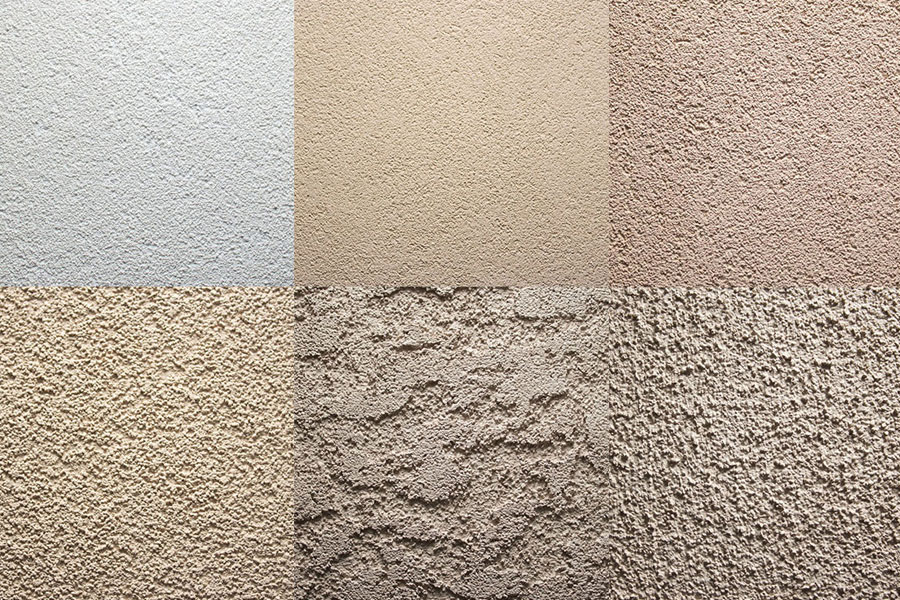
The main material you need is a paintable acrylic latex or elastomeric caulk. This type of filler works best because it handles the stretching and shrinking of the wall. If your home has a smooth finish, a standard 40-year latex caulk is a great choice. But many New Jersey homes have rougher textures. In those cases, a sanded caulk is better because it has a gritty feel that blends with the old stucco. According to industry guides, sanded caulk is preferred for rough stucco surfaces to keep the repair from looking like a smooth scar on the wall.
Necessary application tools
You will need a few basic tools to prep the wall and apply the filler. A standard caulk gun is fine, but a dripless model makes the work much cleaner.
To clean the crack, use a stiff wire brush to pull out any loose grit or dust. You may also need a utility knife or a 5-in-1 tool to widen the narrowest spots just enough for the caulk to enter.
Keeping the area clean is key for a strong bond. Research from the NIH technical resources shows that moisture and dirt can prevent materials from sticking, which leads to early failure.
Finishing and cleanup gear
The final look of your repair depends on how you finish it. You should have a bucket of clean water and a damp sponge or rag ready. These help you smooth the wet caulk and match the surrounding texture. Since you are using paintable caulk, you will also need a small paintbrush and masonry paint that matches your house color. One trade secret is to wet the wall first. Experts suggest that a wet surface helps the caulk stick better to the old stucco, which is a key part of how to repair hairline cracks in stucco.
Climate considerations for New Jersey
Timing your project is just as important as your tools. In New Jersey, high humidity can slow down how fast the caulk cures. You should only start this job when the temperature is above 50 degrees and there is no rain in the forecast for at least 24 hours. Most local pros find that the mild days of spring and fall are the best times for this work. This avoids the heat of summer and the freezing nights of winter that can ruin your hard work.
Step-by-Step: How to Repair Hairline Cracks in Stucco
Fixing small cracks early stops big leaks later. Most hairline cracks are between 1/16 and 1/8 of an inch wide. You can fix these with a simple step-by-step stucco repair. In New Jersey, you must act fast before winter. Water can get in and freeze, which makes the crack grow. Keeping moisture out is the best way to protect your home and save money on deep repairs.
Hairline cracks often show up after a long NJ winter. The freeze and thaw cycles pull at your walls. When you find these tiny lines, do not wait. A small crack today can become a big gap by next year. Most homeowners can do this job in one weekend. You just need the right tools and a steady hand to get it done well.
Prepare the Wall and Tools
First, check the weather for a dry day. You need a day that is not too wet. This helps the patch stick and dry fast. If the air is too damp, the patch may fail to bond. Gather your wire brush, caulk gun, and a damp sponge before you start. Clear any plants away from the area so you have room to move. A clean workspace makes the task much easier.
Make sure your caulk is for outside use. Look for a latex or silicone mix that lasts for at least 40 years. If your wall has a rough finish, buy sanded caulk. Sanded caulk has a gritty feel that matches the look of old stucco. This helps the repair hide in plain sight once you finish.
The Repair Steps
Follow these steps to seal your walls. This method works for most small cracks in New Jersey. Taking your time leads to a better result that lasts for many years.
- Clean the crack with a wire brush. Remove all dirt, dust, and loose bits from the gap. This step helps the new filler bond to the solid wall. If you see mold or green stains, wash them away and let the wall dry first.
- Wet the wall lightly with a spray bottle. A damp surface helps the caulk stick better to the old stucco. Do not soak the wall, but make it feel cool to the touch. This stops the dry wall from sucking the moisture out of your new caulk too fast.
- Cut the caulk tube tip at a 45-degree angle. Keep the hole small so you have more control over the flow. A small cut helps you fill tiny lines without making a mess. You can always cut more off if you need a thicker bead later.
- Fill the crack with a steady line of caulk. It is okay to overfill the gap slightly. You want the filler to go deep into the crack. Use the caulk gun to apply even pressure as you move your hand along the line.
- Match the wall texture with a damp sponge. Dab the wet caulk to make it blend with the rough wall surface. Tapping the wet patch helps it look like the rest of the stucco. This is the best way to hide the repair.
- Let the patch cure for at least 24 hours. Wait longer if it is cold or wet outside. The patch must be fully hard before you paint it. Check that it does not feel soft before you move to the next step.
- Paint the area to match your home. Use a good masonry paint to seal the wall against wind and rain. Two thin coats are often better than one thick coat. This final seal keeps the water out of your home.
Best Times for NJ Repairs
In New Jersey, the best times to fix stucco are spring and fall. Look for dry days with warm air above 50 degrees. This helps the items set the right way. Good moisture control is vital for long life in masonry walls. If a stucco patch repair looks too hard, reach out to an expert for help. A pro can check for core damage that you might miss.
When a Hairline Crack Needs Professional Attention
Most small cracks are safe for a quick home fix, but some signs point to deep trouble. You should know when to step back from a DIY job and call for an expert look. In New Jersey, small gaps often hide big issues that can hurt your home’s value and safety over time.
Red flags for wall damage
Size is the first thing to check when you find a new crack. If the gap is wider than one-eighth of an inch, it is no longer just a surface issue. You should also look for flat cracks or gaps that look like steps in your wall. These shapes often mean your house is shifting in ways that a simple patch cannot fix. If you see the stucco bulging or bubbling, the layers are pulling away from the frame of your house.
| Crack Type | Width | DIY or Professional | Risk Level |
|---|---|---|---|
| Hairline crack | Less than 1/8 inch | DIY with caulk and paint | Low if repaired promptly |
| Medium crack | 1/8 to 1/4 inch | Professional inspection recommended | Moderate |
| Large or structural crack | Over 1/4 inch or step-shaped | Professional repair required | High |
| Bulging or bubbling stucco | N/A (delamination) | Professional assessment required | High |
Water stains on your indoor walls are a clear sign that wetness is getting through. In our local air, even small openings let in enough rain to start wood rot. According to the Environmental Protection Agency, keeping out wetness is key to stopping big building damage. If you see stains or smell mold near windows and doors, the seal has likely failed. Expert help can stop this water from reaching your home’s wood frame.
The risk of more damage in New Jersey
Our state has a climate that is very hard on home walls. Frequent freeze and thaw cycles in the Northeast are more harmful than in areas that stay cold all winter. When water gets into a crack, it grows by nine percent as it turns to ice. This force makes the crack larger and lets in even more water the next time it thaws. The National Institutes of Health warns that this damage keeps growing if you do not fix it fast.
Waiting too long to fix these issues can lead to high costs later. What looks like a small crack might be a sign of a large problem. Good care and a professional stucco inspection can find these risks before they turn into a big job. Getting an expert view early helps you avoid the high price of fixing rotted wood or mold inside your walls.
Why expert help matters for your home
Getting a pro to look at your walls gives you peace of mind that the job is done right. Garden State Brickface & Siding has served New Jersey since 1953 with a focus on quality. We use our own teams rather than outside help to keep our work good. This means the people working on your home are skilled pros who know the best ways to keep out the NJ weather.
Every home has different needs based on its age and how it was built. Since every job is new, we give quotes based on a talk with you to find the right price. An expert will look at how deep the damage goes and the state of your walls before starting any work. If you are not sure about a crack, you can call us at 908-241-5900 to set up a talk about your home’s health.
Preventing Future Stucco Cracks in New Jersey
Stopping small cracks before they start is the best way to protect your home. Stucco damage is often progressive. This means that minor issues like surface flaking or tiny gaps will grow worse if you do not fix them. Taking a proactive path is much more helpful than waiting for big repairs, according to NIH building research. By following a few simple steps, you can keep your walls strong and dry for years.
Check your stucco every year
The best defense is a regular eye on your walls. You should walk around your home at least once a year to look for new hairline cracks or stains. In New Jersey, the best time for this is in the spring after the winter frost is gone. A step-by-step stucco repair check helps you find small gaps before they let water inside. If you see cracks near windows or doors, you may need to seal those spots again to keep water out.
Manage water and drainage
Water is the main cause of stucco failure. You must make sure that the earth around your home slopes away from the base. This keeps damp ground from touching the bottom of your stucco walls. Good site drainage helps stop water from soaking into the wall. Also, keep your gutters clean and in good shape. Clogged gutters can cause water to spill over and run down your walls, which leads to fast damage.
Seal gaps and get expert help
Air and water often leak in through gaps around your home. Check the seals around your vents, windows, and doors every few seasons. If the old caulk is dry or peeling, you should scrape it out and add new sealant. Most homes also need expert reseal work every five to seven years. This adds a fresh layer of protection against the harsh New Jersey weather. For more hard tasks, getting an expert check is the safest way to prevent long-term water problems.
Frequently Asked Questions
How wide of a crack counts as a hairline crack?
Hairline cracks are thin openings that typically measure between 1/16 and 1/8 of an inch wide. According to Garden State Brickface & Siding, these small gaps are common in New Jersey due to natural house settling and changes in the weather. While they look minor, they allow water to enter the wall system. Fixing them early stops water from reaching the wood frame of your home and causing rot.
Is it necessary to wet the wall before applying stucco filler?
Yes, you should lightly wet the edges of the crack with a damp sponge before you apply any filler. This step helps the new material stick to the old surface much better. If the wall is too dry, it can pull moisture out of the caulk or patch too fast. This often leads to shrinking or peeling. Prepping the area ensures your stucco repair lasts through many seasons of rain.
How long must stucco repairs dry before they can be painted?
Most stucco patch products need to dry for at least 24 hours before you can paint. This time can change based on the humidity and air temperature in your area. According to the National Institutes of Health, moisture trapped inside a repair can lead to cracks when it freezes. Always check the label on your repair material for the exact instructions.
What is the best way to match the texture of old stucco?
The best way to match a stucco texture is to use a damp sponge or a soft rag on the wet patch. Gently dab the material until it looks like the wall around it. For very rough walls, using a sanded caulk can help bridge the gap in the way it looks. This method blends the repair so it is hard to see once you paint it. Professional in-house crews use these steps for great results.
What are the risks of leaving hairline cracks unrepaired?
Leaving small cracks alone is a major risk for homeowners because the damage gets worse over time. These gaps get larger as water enters and freezes. According to the NIH, water expands by about nine percent when it turns to ice. This force makes the crack grow, which leads to surface damage and rot. Early repairs are much cheaper than fixing major home damage later on.
Ready to schedule your stucco inspection?
Ignoring small hairline cracks today can lead to big repair bills and major water damage by next season if you wait to fix these gaps.
Moisture can seep behind your walls and cause wood rot or mold growth that will be much harder to fix if you let it sit.
Taking quick action now helps keep your home safe from the rain and ensures your stucco stays strong and looks great for many years. Our local team at Garden State Brickface and Siding has the right tools to find every hidden issue before it turns into a costly project. You can avoid the stress of a large home repair by handling these tiny cracks today while they are still very easy to manage.
Ready to start? Call 908-241-5900 to schedule a free stucco inspection and consultation.