Insulated Vinyl Siding R-Value Guide for New Jersey Winters
High power bills in New Jersey often stem from heat loss through thin walls that lack insulation. Many families pay far too much to keep their homes warm during the cold winter months.
Ready to lower your energy bills this winter? Call (908) 241-5900 for a free consultation on insulated vinyl siding for your New Jersey home.
Insulated vinyl siding adds thick foam to vinyl panels to stop heat from moving through your walls. In New Jersey, winter days are often cold. This extra layer greatly raises the R-value of your home and lowers the energy needed to keep it warm. Top brands like CedarMAX and ProVia stop thermal bridging, which is when heat leaks out through the wood frame of your house. By picking this type of siding, Garden State homeowners can save on their power bills while staying warm all year. This upgrade gives you a tough, low-care finish that stands up to NJ storms while paying for itself through lower costs over time.
Many local homeowners hear about energy ratings but are not sure how they apply to their own homes. The path begins with
What Is R-Value and Why Does It Matter for NJ Homes?
R-value measures how well a material resists the flow of heat. When you choose insulated vinyl siding for your home, the R-value tells you how much protection you get from the cold. For people in New Jersey, this number is a key part of staying warm during freezing winters while keeping energy costs low.
How R-value works in local climates
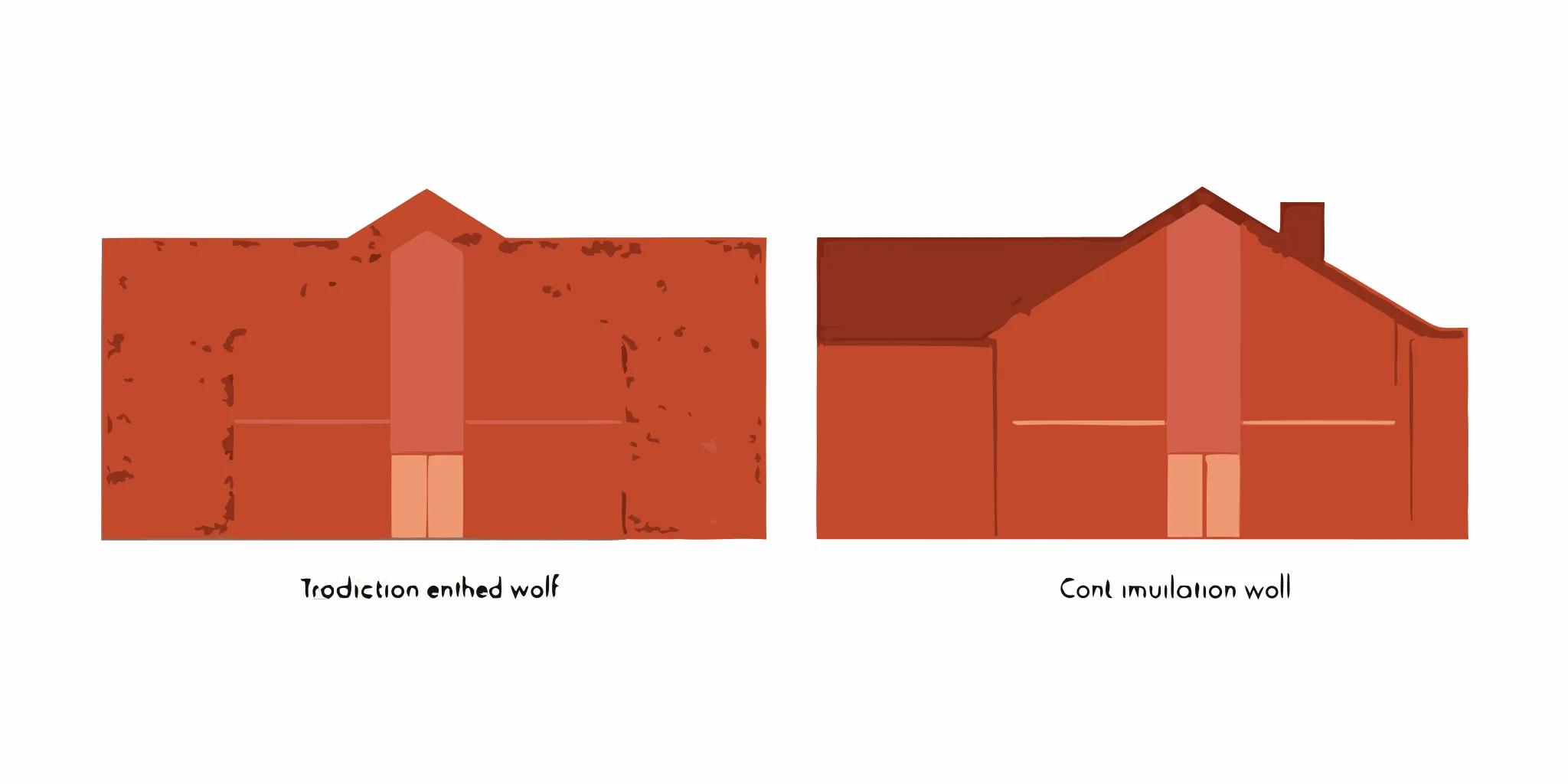
New Jersey sits in climate zones 4 and 5, where temperatures often drop below freezing. A higher R-value means your walls can keep more heat inside your house. Most standard wall insulation stays tucked inside the gaps between your wall studs. But heat can still leak out through the wood parts of your wall in a process known as thermal bridging.
The Department of Energy notes that wood studs have much lower resistance to heat than foam. Since these studs make up about 25% of your wall surface, they act like a bridge for heat to escape. Adding an extra layer of foam behind your siding creates a thermal break that stops this heat loss.
Nominal vs effective R-value
It is important to know the difference between nominal and effective R-values. The nominal value refers only to the insulation material itself. But the effective value measures how the whole wall works as a system. If your studs are letting heat through, your effective R-value will be much lower than the number printed on your insulation bags.
To fix this, Energy Star recommends adding R5 to R10 insulation beneath new siding in New Jersey. This layer of foam covers the studs and provides a steady shield for your home. By wrapping your house in this extra layer, you improve your total wall performance and reduce the work for your heater.
The role of insulated vinyl siding
Modern insulated siding is a smart choice for any New Jersey home improvement project. It pairs a tough vinyl skin with a thick foam core. This design helps close the gaps that old siding leaves open. It also adds a layer of comfort that helps keep your indoor rooms at a steady temperature all year long.
By using this material, you address the 25% of your wall that usually has no insulation at all. This change does more than just lower your gas or electric bill. It also makes your home quieter and more durable by protecting your wall frame from moisture and temperature swings.
Insulated vs. Standard Vinyl Siding: An R-Value Comparison
Many homeowners pick vinyl for its low cost and easy care. But not all vinyl panels help your home save energy. The main gap lies in the R-value. This score shows how well a material stops heat flow. Standard vinyl siding has a very low R-value. It is a thin plastic shell that does little to keep heat inside. If you want to lower your bills, you need a material that adds real insulation to your exterior walls.
The limits of standard vinyl
Standard vinyl siding has an R-value of just 0.61. This is low compared to other building materials. On its own, it does not provide a true thermal shield. Heat can still move through the wood studs in your walls. Experts call this thermal bridging. Even with new siding, your home can lose heat if you use basic panels. You can learn more about siding options in NJ to see which fits your home best.
How insulated siding adds value
Insulated vinyl siding uses a layer of foam on the back of the panel. This foam fills the gap between the siding and the wall. It acts like a warm blanket for your house. High-end brands like Caliber HP offer an R-value of 2.8. Some types can even reach R-3.5. This helps stop heat leaks.
- Standard vinyl: R-value 0.61, minimal insulation, thin plastic shell only
- Insulated vinyl: R-value 2.0 to 3.5, foam core blocks thermal bridging
- Caliber HP: R-value 2.8, high-density foam backer
- Fiber cement: R-value 0.37, low thermal resistance
- Stucco: R-value 0.40, no built-in insulation
- Brick veneer: R-value 0.44, porous and low R-value
The U.S. Department of Energy notes that adding exterior insulation can help save on power. By picking a higher R-value, you keep your home warm in winter and cool in summer.
| Siding Material | Typical R-Value | Insulation Level |
|---|---|---|
| Standard Vinyl | 0.61 | Minimal |
| Insulated Vinyl | 2.0 - 3.5 | High |
| Caliber HP Vinyl | 2.8 | High |
| Fiber Cement | 0.37 | Minimal |
| Stucco | 0.40 | Low |
| Brick Veneer | 0.44 | Low |
| Stone Veneer | 0.11 | Very Low |
Why full insulation matters
Walls make up a large part of your home. When you use insulated siding, you create a full shield. This is more helpful than just adding insulation inside the wall. It covers the parts of the frame that often leak heat. For New Jersey homes, this extra layer helps fight high energy costs. Choosing a brand with a high vinyl siding r value is a smart move for any property owner.
CedarMAX and ProVia: Premium Insulated Siding Lines from Garden State Brickface
Garden State Brickface & Siding provides top-tier home upgrades using ProVia CedarMAX siding. This system blends rigid foam EPS insulation with a strong Super Polymer base. These layers work together to give your home a beautiful look that also saves energy. Homeowners in New Jersey choose this line for its deep cedar woodgrain finish and its ability to withstand harsh weather.
Advanced Insulation for New Jersey Winters
In our local climate, homes face a constant cycle of freezing and thawing. Standard siding often lacks the thermal protection needed to keep heat inside during a cold snap. ProVia CedarMAX offers continuous insulation that covers the wall studs, which are often the main source of heat loss. By wrapping the entire exterior, this insulated vinyl siding helps keep your indoor spaces warm and your energy costs low.
The rigid foam backing adds a thermal break that many other products lack. This layer achieves an R-value of up to 2.3, which is higher than basic vinyl siding options. High R-value materials are vital for NJ residents who want to maintain a stable home temperature without overworking their heating systems. This design also helps prevent moisture from getting trapped, which protects the wood frame of your house over time.
Superior Strength and Impact Resistance
Durability is a major factor when you pick new cladding for your home. ProVia uses a Super Polymer mix that includes high-grade impact modifiers. These act as shock absorbers to protect your house from stones, hail, or stray balls. Tests show that the foam backing on CedarMAX provides five times more impact resistance than non-insulated panels. This makes it a smart choice for families who want a product that lasts for decades.
Beyond strength, this siding also acts as a sound barrier. The thick insulation can lead to a 39% noise reduction for your living space. This is a huge win for people who live near busy roads or loud neighborhoods. You can find out more about these specs on the official ProVia site.
Custom Styles and Profiles
You do not have to give up style to get better performance. CedarMAX comes in four main profiles to match any home design:
- Single 7 inch Dutch Lap for a classic, narrow-lap look
- Double 6 inch Dutch Lap for a traditional profile with broader lines
- Triple 4 inch Dutch Lap for a multi-layered architectural style
- Board and Batten in 8 inch and 12 inch widths for a modern or rustic feel
Each option features the same tough finish and deep wood texture that stays bright and clean for years.
How Much Can NJ Homeowners Save on Energy Bills with Insulated Siding?
New Jersey weather puts a lot of stress on your home. In January, the air stays between 25 and 35 degrees for most of the month. These cold winters mean your heater has to work hard to keep you warm. Using the right siding can help you keep those costs down all year long.
How Solid Insulation Blocks Heat Loss
Most homes lose heat through the wood studs in their walls. This is called thermal bridging. In a common home, about 25 percent of the wall area is made of wood studs. These studs act like a bridge for heat to escape even if you have insulation between them.
- Thermal bridging causes heat to escape through 25% of your wall surface
- Continuous insulation wraps the whole home in a foam blanket
- Insulated siding provides R-2 to R-5.5 across the entire wall
- Seasonal savings apply in both winter heating and summer cooling
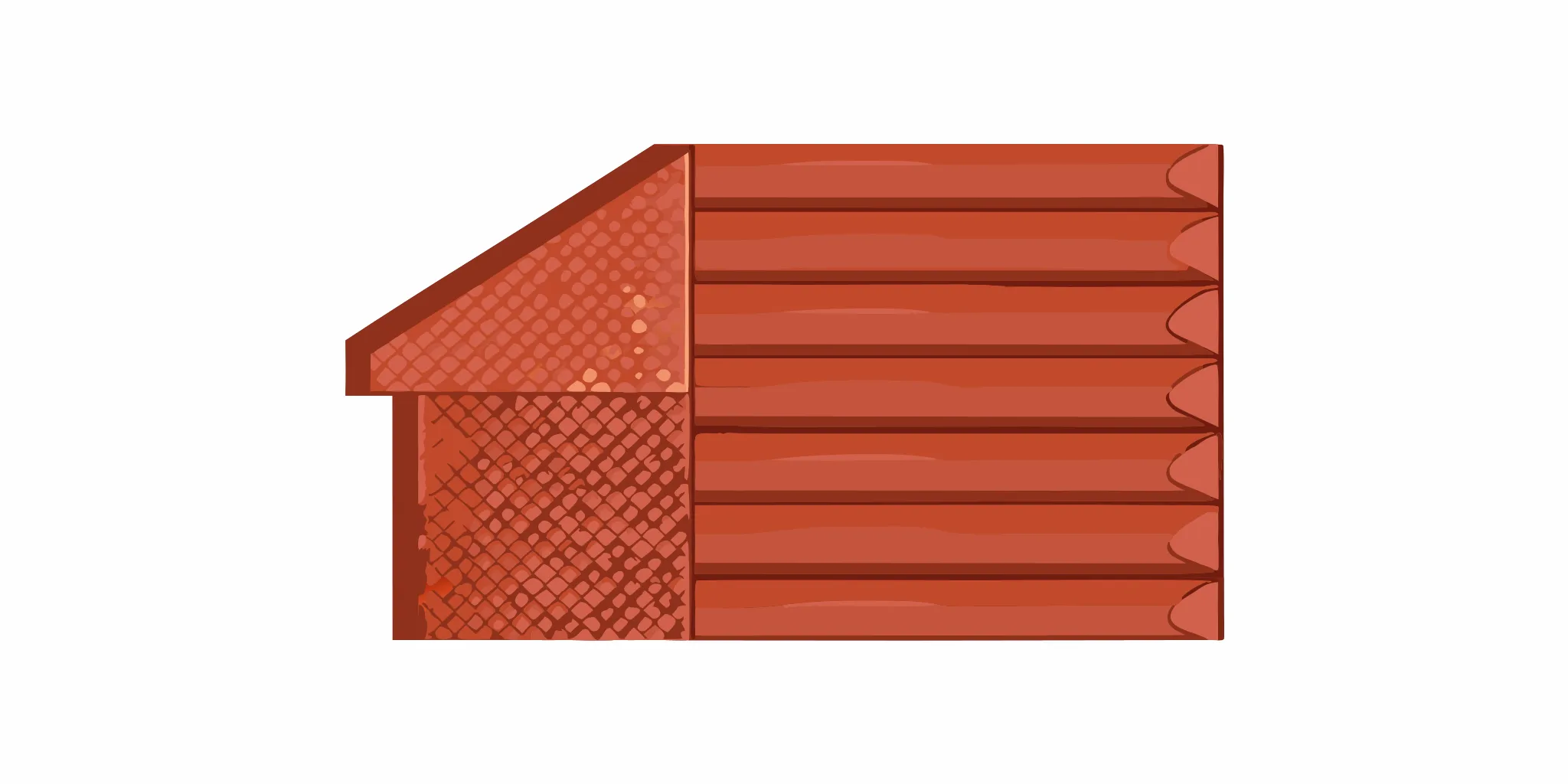
Insulated vinyl siding wraps your entire house in a solid layer of foam. This layer provides an R-value between R-2 and R-5.5. It covers the studs to stop heat from leaking out of your home. By sealing these gaps, you create a shield that keeps your indoor air at the right heat level.
Estimated Savings for Your New Jersey Home
Adding this layer can make a big change in what you pay each month. Top-grade siding can lower your power costs by as much as 20 percent. For many New Jersey families, this may mean saving hundreds of dollars every single year.
The foam backing also helps in other ways. It keeps your house quieter by blocking outside noise from the street. It makes the siding tough so it can stand up to high winds and hail. Pairing insulated siding with energy-efficient replacement windows and proper roofing insulation creates the best whole-home energy strategy for New Jersey winters.
Flexible Financing for Your Home Upgrade
You do not have to wait to start saving money on your bills. Garden State Brickface offers flexible financing options with no money down to make your home upgrade easy to afford.
Is Insulated Vinyl Siding Worth the Investment?
Insulated vinyl siding costs more than basic panels. Most homeowners in New Jersey want to know if the extra price pays off. For many, the answer is yes. This material adds a layer of rigid foam to the back of each panel. It acts like a blanket for your whole house. The first cost is higher. But the gains in comfort and energy bills make it a smart choice for older NJ homes and new builds alike.
Lower energy bills in New Jersey
New Jersey homes sit in climate zones four and five. We deal with cold winters and hot, humid summers. Basic siding does not stop heat from moving through the wood studs in your walls. Building experts say these studs can make up 25% of your wall surface. Heat escapes through these gaps even if you have insulation inside the wall.
Adding insulated vinyl siding stops this heat loss. It covers the studs to keep your home at a steady temperature. By adding this layer, you cut down on the work your HVAC system must do. This leads to lower monthly costs and a home that feels better all year.
Superior protection and comfort
This siding technology has been used on over half a million homes since the mid-1990s. The foam backing fills the gap between the siding and the wall. This makes the panels much stiffer. In fact, it gives up to 300% more impact resistance than standard vinyl. It can stand up to hail, rocks, and strong winds. The foam also blocks sound.
Added home value and peace of mind
Choosing a top-end brand like CertainTeed CedarBoards often comes with a lifetime warranty. When you go to sell your home, buyers look for tough materials that save money. A great siding job can boost the resale value of your house. Garden State Brickface & Siding has served NJ since 1953. Our in-house crews make sure every panel fits right to stop water. We have earned over 200 five-star Google reviews by helping people make these smart home upgrades.
Ready to upgrade your home with insulated vinyl siding? Call (908) 241-5900 to speak with our siding experts and schedule a free consultation today.
Frequently Asked Questions
What R-value do I need for siding in New Jersey?
New Jersey is in Climate Zones 4 and 5, so you need high thermal power to stay warm. Energy Star says you should add R-5 to R-10 foam under your new siding. This extra layer stops heat from leaking through the wood frame of your house. Using this grade of foam will lead to the best energy cuts during cold NJ winters.
Can you install insulated vinyl siding over old wood siding?
You can often put new siding over old wood if the walls are in good shape. Our crew will check the old boards for rot or water damage first. If the wood is solid, we add a flat wrap to create a smooth base for the foam. This way, you save time on the job and get a double layer of shield for your NJ house.
Does insulated vinyl siding cause mold problems?
No, top-grade insulated siding is built to let your walls breathe. Products like ProVia CedarMAX use foam that lets moisture move away from your wood frame. This stops water from getting trapped where it could cause mold or rot. A proper install also adds a house wrap for an extra layer of safety.
How long does it take to install insulated vinyl siding?
For a common home in New Jersey, a full siding job usually takes about one to two weeks. The exact time depends on the size of your house and the type of trim you choose. Our team works fast to limit the stress on your daily life.
Ready to protect your home and save with insulated vinyl siding?
Delaying your home siding upgrade often leads to very high energy bills and major heat loss during the cold New Jersey winter months each year. Starting your project now allows you to save on heating costs and keep your house warm and dry before the first frost arrives this season. New siding prevents structural damage from drafts and moisture while giving your house a clean and fresh look that lasts for many years.
Are you ready to lower your monthly energy bills? Call (908) 241-5900 to schedule a free consultation for insulated vinyl siding installation and protect your home today.