Best Roofing Companies for Leak Repair in NJ
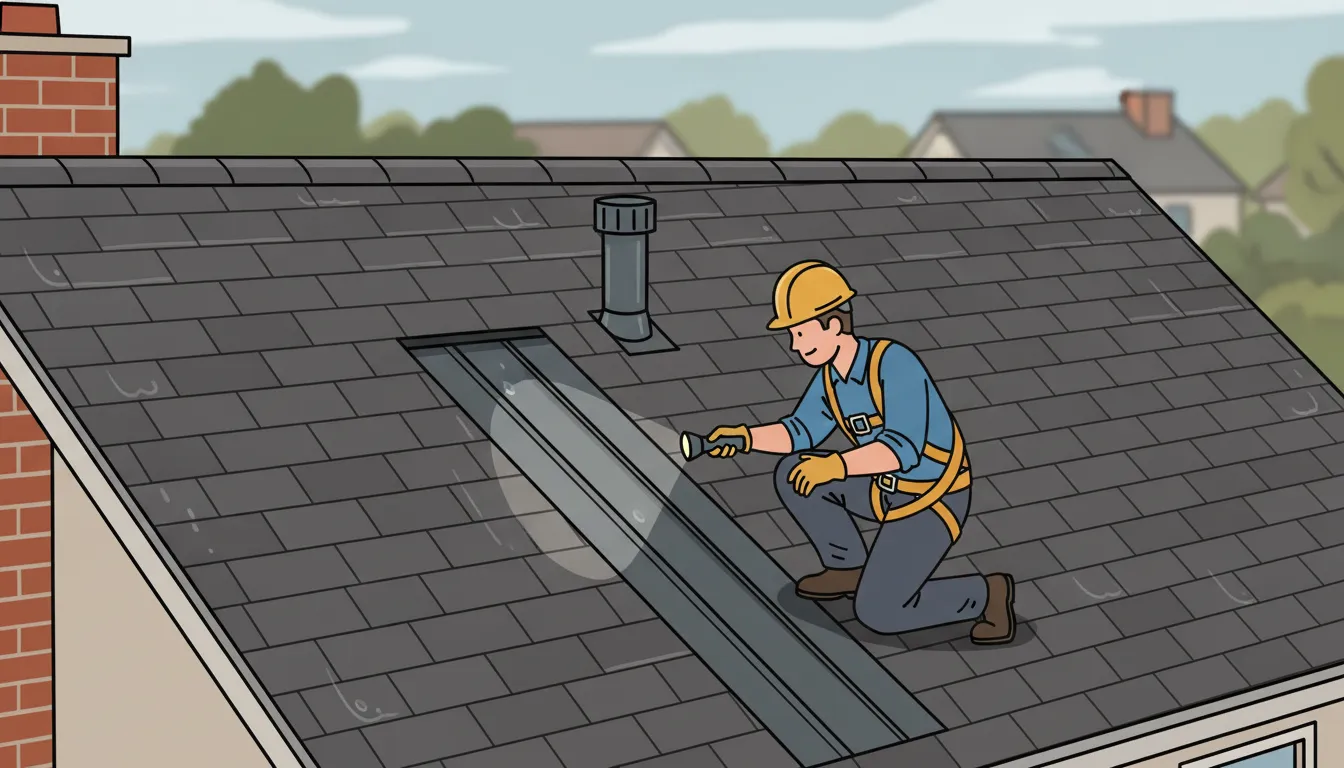
A roof leak rarely appears exactly where water enters. A ceiling stain may trace back to flashing around a chimney, valley, or vent. Damp attic insulation can signal moisture that has been building out of sight. For New Jersey homeowners, choosing a roofing company is therefore not only about finding someone who can place a patch. It is about finding a contractor who can trace the water, explain the evidence, protect the home, and recommend repair or replacement based on the roof’s actual condition.
Request a roofing consultation to discuss the leak and next steps.
The best roofing companies for leak repair make their process visible. They ask when the leak appears, inspect both the roof and attic when safe, identify vulnerable details, document their findings, and provide a written scope. A good evaluation should also explain what is known, what remains uncertain, and what should happen if the first repair does not resolve the symptom. The guide below focuses on that leak-specific decision process rather than repeating a general contractor-shopping checklist.
What the Best Roofing Companies for Leak Repair Look For First
Start by judging how a company approaches the problem before judging the proposal. A contractor who immediately recommends a full replacement without tracing the leak may be skipping the most important diagnostic step. A contractor who promises a quick patch may also be missing important context. This includes the roof’s age, previous repairs, attic conditions, and storm exposure.
They locate the entry point, not just the stain
Water can travel along underlayment, roof decking, rafters, insulation, and framing before it becomes visible inside. A brown mark on a ceiling identifies where moisture became noticeable, not necessarily where it entered. A credible roofer should be able to explain the likely path between the interior symptom and the exterior roof detail.
Chimneys, valleys, skylights, plumbing vents, roof-to-wall transitions, and other penetrations deserve close attention because they interrupt the continuous roof surface. Loose or damaged flashing, exposed fasteners, failed sealant, missing shingles, and poor installation can each contribute to a leak. The inspection should distinguish a confirmed source from a possible source instead of presenting every observation as certain.
They ask useful questions about timing
When does water appear? Only during wind-driven rain, after snow melts, during a long storm, or even on dry days? Does the stain grow, smell musty, or remain unchanged? Has the roof been repaired before? These details can help separate an active roof leak from condensation, plumbing moisture, or an old stain that is no longer receiving water. A thoughtful contractor listens before climbing or recommending work.
They treat safety as part of the diagnosis
Do not climb onto a wet, icy, steep, or visibly damaged roof to confirm a problem. From the ground, homeowners can photograph visible damage, note the location of interior stains, and check for wet insulation from a safe area if access is straightforward. A professional should explain any limits created by weather or roof conditions and should not create a second hazard while investigating the first one.
What Should a Thorough Roof Leak Inspection Include?
A thorough inspection connects exterior evidence with interior conditions. It should be detailed enough to support a repair decision, but clear enough that a homeowner can understand what the contractor found. The inspection does not need to guarantee that every hidden condition is known before work begins. It does need to show how the recommendation was reached.
Exterior roof surface and details
The roofer should review the visible roof covering for missing, cracked, lifted, or damaged materials, exposed fasteners, areas of wear, and signs of poor installation. The evaluation should include roof edges, valleys, ridges, penetrations, and transitions. If a previous patch exists, the contractor should identify whether it remains sound and whether it may be directing water into another area.
Flashing deserves special attention. A chimney or vent can look intact from the ground while its flashing has loosened, cracked, or been integrated incorrectly. Valleys can collect water and debris. Roof-to-wall transitions can fail when materials move at different rates. The proposal should identify the detail that needs work, not simply label the entire roof as leaking.
Attic, roof deck, and ventilation review
When the home design and conditions permit, the inspection should include the attic. The contractor can look for damp insulation, water marks, stained framing, deteriorated decking, and evidence that moisture has traveled away from the entry point. This step can help prevent a repair that addresses the outside surface while leaving wet materials or hidden damage unaddressed.
Ventilation and condensation should also be considered. Heat and moisture in an attic can create symptoms that resemble a roof leak, especially during seasonal temperature changes. That does not mean ventilation is always the cause. It means a sound diagnosis tests competing explanations rather than assuming the first visible stain tells the whole story.
Photos, measurements, and written findings
Ask for photographs or a written explanation of the suspected source, affected areas, and recommended work. Documentation helps a homeowner compare proposals without relying on vague phrases such as “roof issue” or “seal everything.” It also creates a useful record if additional conditions become visible after materials are opened or removed.
For broader guidance on evaluating a New Jersey roofing contractor, see the existing roofing contractor selection guide. That resource covers general qualifications and selection questions. This article adds the leak-specific questions that should follow once water intrusion is suspected.
Why New Jersey Weather Matters When Diagnosing a Roof Leak
New Jersey roofs experience rain, snow, ice, wind, freeze-thaw cycles, and changing temperatures. Those conditions can make a leak intermittent and can move water farther than a homeowner expects. Weather should influence both the investigation and the timing of repair, not be treated as background information.
Rain, snow, and ice can leave different clues
Heavy rain may expose a flashing or penetration problem. Wind-driven rain may reach a detail that appears dry during ordinary weather. Melting snow can reveal a weakness after the original snowfall has ended. Ice buildup can change how water moves at roof edges. A useful inspection asks what weather preceded the symptom and whether the pattern repeats under similar conditions.
Weather affects the timing of safe work
A contractor may need to protect an active leak temporarily and return for permanent work when conditions are stable. Working on a wet, icy, or storm-damaged roof can increase risk and reduce the quality of the repair. A clear proposal should separate temporary protection from permanent correction and explain what the homeowner should do if water enters the living space before the scheduled repair.
Roof materials and design change the diagnosis
Asphalt shingles, metal roofing, low-slope sections, and mixed-material roofs do not fail in identical ways. A company should show familiarity with the roof system it is evaluating. The goal is not to sell a particular material. It is to understand how the existing assembly, slope, flashing, drainage, and prior workmanship affect the leak.
When Does Roof Repair Make More Sense Than Replacement?
The repair-versus-replacement decision should come from the condition and extent of the problem, not from a sales script. A localized failure on an otherwise serviceable roof may call for targeted repair. Widespread deterioration, repeated failures, extensive deck damage, or an assembly near the end of its useful service may justify discussing replacement. The homeowner should receive the reasoning behind either recommendation.
| Situation | Questions to ask | What a clear recommendation explains |
|---|---|---|
| Localized leak on generally sound roofing | Can the source and affected area be identified? | Why targeted repair is proportionate and what follow-up is included. |
| Repeated leaks or multiple failing areas | Are prior patches masking broader deterioration? | Why repair remains reasonable or why replacement deserves review. |
| Visible deck or structural concerns | What was inspected, and what remains concealed? | How discovery conditions could change the scope after access. |
Questions that clarify the recommendation
- Is the suspected source localized or are multiple areas failing?
- Is the roof covering generally sound outside the affected detail?
- Is the roof deck dry and structurally serviceable where inspected?
- Have prior repairs addressed the root cause or only the visible symptom?
- What conditions could change the scope after work begins?
Be cautious when a proposal gives only one path and does not explain why. A reputable company can state when repair is reasonable, when replacement is the more durable option, and what uncertainty remains. It should not pressure a homeowner into a larger project simply because a leak is inconvenient.
If the evaluation identifies material selection as part of the decision, the NJ roofing materials guide can provide additional background. Keep the roles separate: a materials article explains system differences, while this guide centers on diagnosing and selecting help for an active or suspected leak.
How the Best Roofing Companies for Leak Repair Earn Your Trust
Trust is built through observable habits. A company does not earn confidence only by claiming experience. It earns confidence by explaining its process, showing relevant documentation, and making the scope understandable before work starts.
Credentials and insurance are easy to discuss
Ask who will perform the work, whether crews are employees or subcontractors, and what licensing, insurance, and safety documentation applies to the project. Request copies or clear answers rather than relying on a badge, logo, or verbal assurance. The details can vary by project and jurisdiction, so the contractor should be prepared to identify the records relevant to the work being proposed.
References should match the work
Recent local references can be more useful when they involve comparable roof systems, leak conditions, or repair scopes. Ask what was diagnosed, whether the work required additional discovery, and how the company communicated during the project. A reference is not a guarantee of identical results, but it can reveal how the contractor handles uncertainty and follow-up.
Local experience should improve the questions
New Jersey experience matters when it helps a contractor account for local weather patterns. Seasonal scheduling, common roof designs, and the way moisture behaves during rain, snow, and freeze-thaw conditions. It should lead to better questions and a clearer plan, not serve as a substitute for inspection evidence.
What Should a Roof Leak Estimate and Contract Spell Out?
A written scope protects both the homeowner and the contractor from different expectations. The estimate should identify what the company believes is causing the leak, what it will access or remove, what materials it will use, and what is excluded. A short proposal can still be clear. A long proposal can still be vague, so focus on the information rather than page count.
Scope, materials, and possible discoveries
Look for the affected roof area, repair method, replacement materials, flashing or sealant work, cleanup, and disposal. The proposal should explain how concealed damage will be handled if it is discovered after work begins. If a temporary measure is included, label it as temporary. If a permanent repair depends on dry weather, explain the expected sequence.
Schedule, payment, and communication
The agreement should state when work is expected to begin, how weather changes the schedule, when payment is due, and who will answer questions. Avoid relying on a verbal promise that is absent from the written scope. Ask how the company will communicate if the suspected source changes during the repair.
Warranty and follow-up terms
Ask what the workmanship warranty covers, what product warranties apply, and what exclusions or maintenance obligations exist. A warranty is useful only when its terms are understandable. Also ask what happens if the original symptom continues after the repair. The answer should describe a reasonable inspection or follow-up process, not promise that every leak can be diagnosed without opening materials.
Talk with Garden State Brickface & Siding about a documented roofing evaluation.
What Should You Do Before the Roofer Arrives?
Safe preparation can make the appointment more useful. Do not walk on the roof or enter an unsafe attic. Instead, gather information that helps the contractor identify a pattern.
- Note the date and weather conditions when water appeared.
- Photograph interior stains, drips, or damaged finishes from a safe position.
- Mark the room and approximate location of each symptom.
- List earlier repairs, roof work, or related moisture problems.
- Move belongings away from active drips and use a container where appropriate.
- Ask the contractor to explain the suspected source, proposed scope, and follow-up plan.
These steps do not replace a professional inspection. They simply give the roofer a better starting point and help you compare explanations consistently. If water is entering near electrical equipment or the ceiling is sagging, prioritize immediate household safety and contact the appropriate emergency professional.
Frequently Asked Questions
How do I know if I need a roof leak repair?
Arrange an assessment when water enters living space, insulation is wet, stains are spreading. Shingles or flashing are visibly damaged, or the source cannot be identified safely from inside. A dry ceiling does not always mean the problem is gone. Intermittent leaks can return during wind-driven rain, melting snow, or changing temperatures.
How do I choose the best roofing company for leak repair?
Choose a company that traces the leak rather than treating only the interior stain. It should review exterior and attic conditions when safe, document findings, explain repair versus replacement, and provide a written scope. Also ask about relevant credentials, insurance, crew qualifications, warranty terms, scheduling, and what happens if the symptom continues.
Can I repair a roof leak myself?
Homeowners can document symptoms and reduce exposure to interior belongings, but climbing onto a wet, icy, steep, or damaged roof creates a serious fall risk. A professional should evaluate roof work, especially when the source is hidden, the roof structure may be affected, or water is entering the living space.
What is the average cost of roof leak repair in New Jersey?
There is no responsible single average for every New Jersey roof leak. The estimate depends on the source, roof design, materials, accessibility, hidden damage, weather exposure, and whether the appropriate work is a localized repair or a larger project. Ask for an inspection and an itemized scope rather than choosing a company from an unsupported price claim.
Request a consultation with Garden State Brickface & Siding to review your roofing concern.
Ready to Choose the Right Next Step?
The right roofing company for a leak should make the diagnosis understandable and the recommended work proportionate to the evidence. Compare inspection depth, communication, documentation, safety practices, repair judgment, and follow-up terms. Garden State Brickface & Siding serves New Jersey homeowners with in-house crews and roofing services as part of its exterior renovation work.
Contact Garden State Brickface & Siding to discuss a leak-specific roofing evaluation.