New Roof NJ Signs: How to Tell If Your Home Needs a New Roof
Granules washing down your gutters after a New Jersey storm signal a roof nearing its end. Inspecting your home after harsh seasonal weather can reveal these quiet warnings before leaks destroy your ceiling. Since 1953, our family-owned business has helped local homeowners protect their properties from severe coastal storms and harsh seasonal changes.
Common new roof NJ signs include curling shingle edges, gutter granule loss, attic water stains, and an age over twenty years. New Jersey’s freezing winters and hot summers place heavy stress on asphalt shingles, which often last fifteen to twenty years locally. To prevent water damage, homeowners should look for active leaks during routine maintenance, seasonal changes, or after major storms. Spotting these signs early lets you fix roof wear before it ruins your ceiling. If you notice these issues on your property, a prompt check can save you from a major leak.
Schedule Your Free Roof Inspection Today — Our licensed inspectors will assess your roof and provide a detailed report with honest recommendations.
How can you find out if your own home needs attention before the next big storm hits? Knowing what to look for on the outside of your house is the best way to start. To help you assess your home, we will outline the visible signs that matter most.
What Are the Most Common New Roof NJ Signs You Can See from the Ground?
New Jersey homeowners can spot many roof problems without climbing a ladder. A quick ground-level check after a storm or at the start of each season reveals whether you need a professional inspection. These visible warning signs are your first defense against costly interior water damage.
Shingle warping and cracking
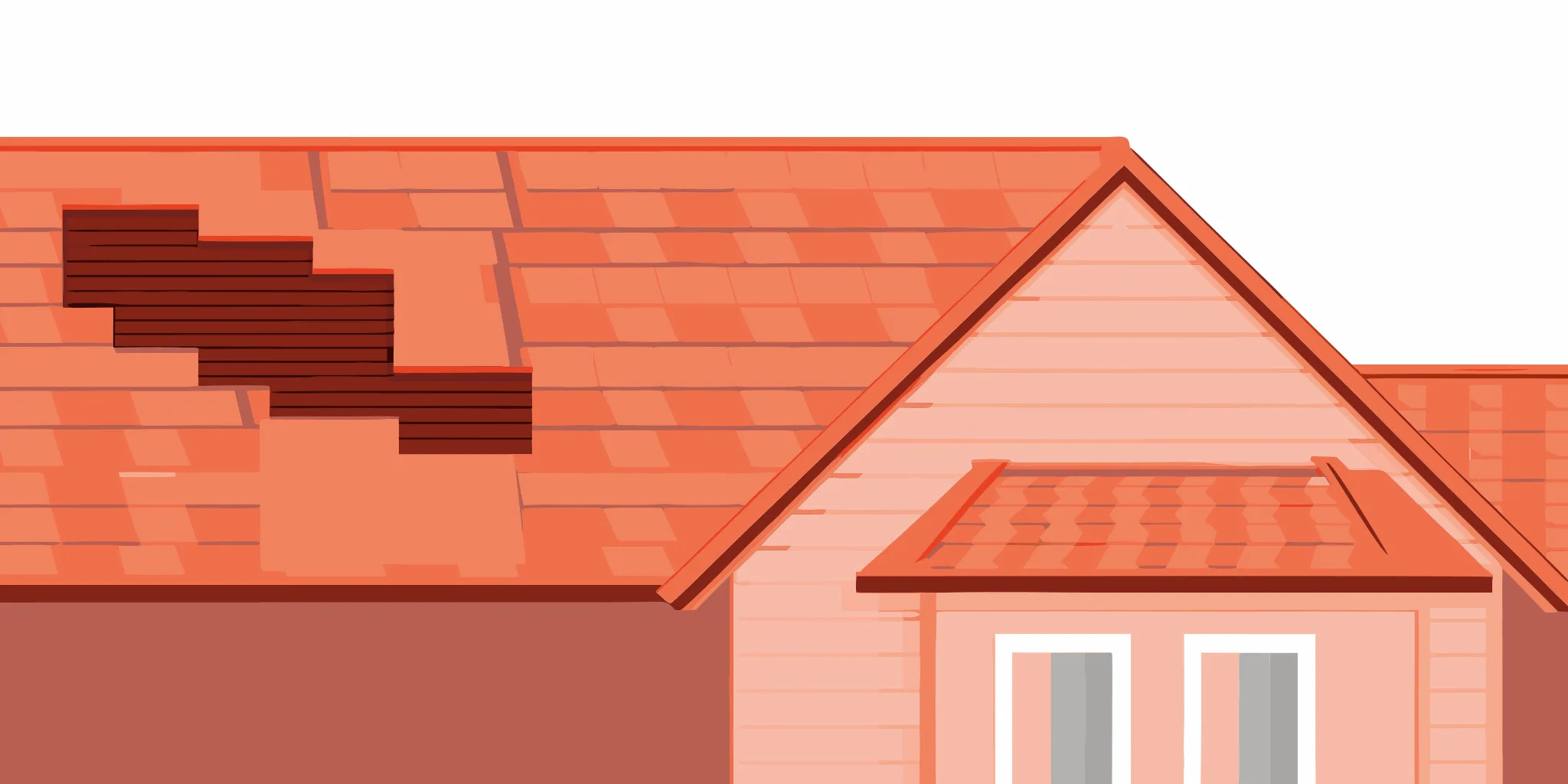
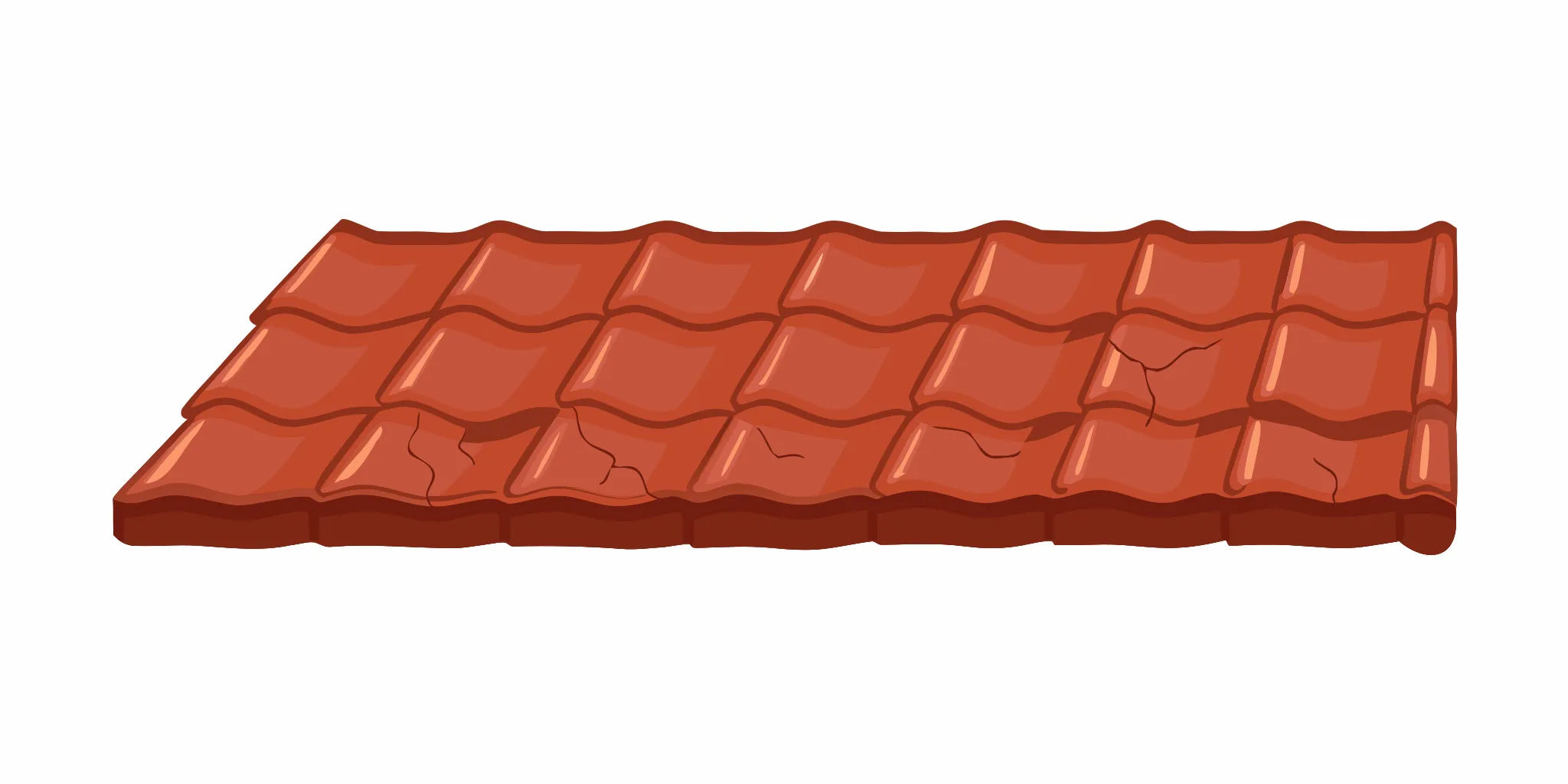
Missing, damaged, or curled shingles are the most obvious sign that a roof has reached the end of its life. Over time, heat stress from the sun causes shingle edges to lift and form scalloped shapes. This warping means the shingle material has become dry and brittle. When shingles lose their flat shape, they can no longer shed water or resist strong winds.
During a visual check, homeowners should look for:
- Curled or cupped shingle edges that no longer lie flat
- Visible cracks or splits across the shingle surface
- Bare spots where shingles have blown off entirely
- Dark algae streaks that indicate moisture retention
Strong winds can easily tear off old, weak shingles. If you see bare spots on your roof, the wood deck below is open to rain and snow.
Granule loss and gutter debris
Asphalt shingles have a top layer of mineral granules that protect them from sun damage. As shingles degrade, these granules loosen and wash away. Homeowners often find this debris during gutter cleanups. If you see piles of dark, sandy grit in your gutters, your shingles are losing their protective cover.
Homeowners should inspect for excessive granule loss in gutters. This loss is a major sign that asphalt shingles have reached the end of their functional life. According to the Environmental Protection Agency, a standard outdoor inspection should check the general condition of the roof.
Moisture retention and dark streaks
Algae growth on roofs often appears as dark streaks and can show moisture retention issues. These green or black patches are not just visual issues. They show moisture buildup, since moss and algae thrive in damp, shaded areas. Over time, these growths hold water against the shingles, which speeds up rot and damages the roof deck underneath.
When looking for new roof NJ signs, check the north-facing slopes where shade is most common. In New Jersey, humid summers and frequent rain storms help these growths spread. If moss covers large parts of your roof, it can lift the shingles and let water seep underneath.
What Interior Signs Indicate Your NJ Roof Is Failing?
Not all roof damage is easy to spot from the street. Often, the first warnings of a failing roof appear inside your home. Water stains on your ceiling or walls are clear signs of a leak. These stains often look like brown, yellow, or grey rings that grow larger after heavy rain.
You must learn to tell active leaks from old dry stains. Active leaks feel damp or soft to the touch and can grow during storms. Dry, hard stains may be old, but they still show that water has found a path inside.
Ceiling water stains and active leaks
According to the U.S. Environmental Protection Agency, indoor water damage points to deep structural issues that increase the risk of mold growth. Peeling paint and damp spots on walls are other signs that water is getting in. If you ignore these signs, the damp wood can attract pests or rot the ceiling drywall.
- Brown or yellow rings on ceilings that expand after rain
- Peeling paint or bubbling wallpaper near ceiling edges
- Musty odors in upstairs rooms or the attic
- Soft or spongy drywall around chimney or vents
Attic inspection and light gaps
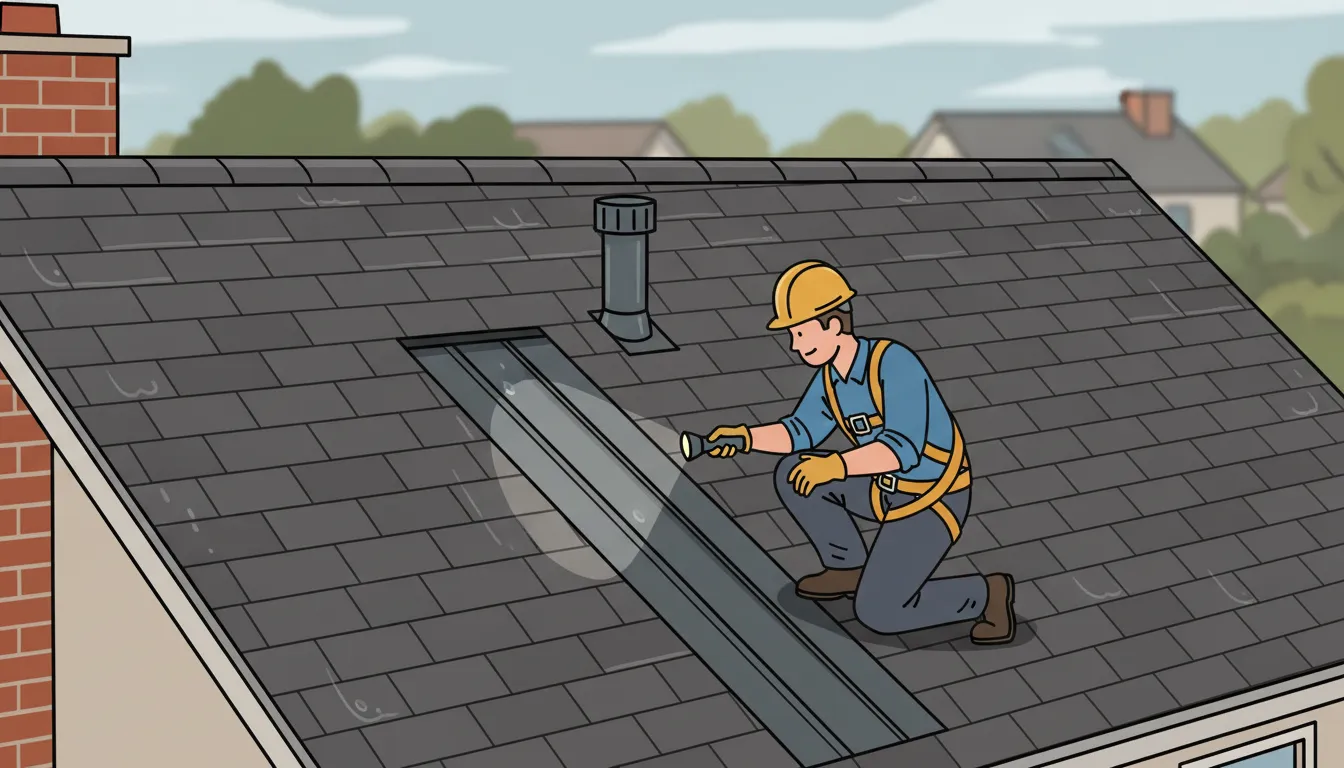
To find the source of these leaks, you need to check your attic. Inspecting this area is a safe and smart way to spot roof issues before they ruin your drywall. Be sure to use a strong flashlight and walk only on the wood beams to stay safe.
Wait for a sunny day and turn off the attic lights. Look up at the bottom of your roof. If you see daylight shining through the wood boards, water can get through those same gaps when it rains. These gaps also let hot summer air or freezing winter winds enter your home, driving up your energy bills.
Structural issues and sagging roof decks
A sagging roof deck is a major warning sign that needs quick expert help. When a roof deck sags, it shows that long-term moisture has rotted the wood structure underneath. A weak deck can no longer support heavy snow or strong winds safely. A warped or curved roof line from the inside is a clear sign of structural danger. These indoor issues are clear new roof NJ signs that mean your home is no longer safe.
How Long Do Different Roof Materials Last in New Jersey?
When you look for new roof NJ signs, the age of your roof is often the main clue. While some damage is easy to spot, some roofs simply wear out from decades of service. Knowing how long each roofing type lasts helps you plan ahead and budget for replacement before an emergency leak forces the issue.
| Roofing Material | Typical Lifespan in NJ | Key Considerations |
|---|---|---|
| 3-Tab Asphalt Shingles | 15-20 years | Most common in NJ; shortest lifespan |
| Architectural Asphalt Shingles | 25-30 years | Thicker, more durable than 3-tab |
| Metal Roofing | 40-70 years | Excellent wind and weather resistance |
| Slate Roofing | 50-100+ years | Highest durability; premium investment |
Asphalt shingle lifespans in New Jersey
Asphalt shingles are the most common roofing material in New Jersey. Standard three-tab shingles generally last fifteen to twenty years in our climate. If you choose architectural shingles, you can expect them to last twenty-five to thirty years because they are thicker. But the local weather can shorten these lifespans. Heavy winds, snow, and hot summers put constant stress on your roof. The EPA reports that the oxidation of asphalt flux is a key step in making strong shingles.
Metal and slate roof lifespans
If you want a roof that lasts longer, metal and slate are great choices. Metal roofs can last forty to seventy years. Slate is even more durable, often lasting fifty to one hundred years or more. These materials cost more but rarely need to be replaced. They easily withstand the high winds and heavy storms that hit New Jersey homes.
The twenty-year inspection rule
Even if your roof looks fine, age can hide silent damage. Roofs that are over twenty years old should have a professional inspection every year. A trained eye can spot issues like worn seals or weak spots in the deck that you might miss. Many roofing brands offer long warranties, but these warranties often only cover material defects, not normal wear from local weather. In New Jersey, freeze-thaw cycles and winter ice dams can degrade shingles much faster than the warranty suggests.
Learn More About Our NJ Roofing Services — Our team has served New Jersey homeowners since 1953.
How Does New Jersey’s Climate Affect Your Roof?
New Jersey homeowners face harsh weather all year long. Our state has hot summers and freezing winters. These extreme temperature shifts place constant stress on your shingles. Knowing how local weather wears down your home is the first step to spot key new roof NJ signs before leaks start.
Winter freeze-thaw cycles
Winter in New Jersey brings snow, ice, and cold wind. When snow melts on your roof, the water runs down to the cold eaves and freezes again. This process forms ice dams that trap water under your shingles. The trapped water soon leaks into your attic and walls. Also, the constant freeze and thaw cycles cause shingles to expand and contract. This movement weakens the roof structure over time.
Summer heat and coastal storms
In summer, the sun shines bright on New Jersey roofs. Hot summer sun and strong rays bake asphalt shingles. This heat stress dries out the shingles and makes them brittle. Over time, shingles crack and lose their outer granules. Also, coastal storms bring strong winds to Northern and Central New Jersey. These heavy winds can lift loose shingles or blow them off entirely, leaving the wood deck beneath open to rain.
Federal experts advise that proper ventilation in roofs stops moisture buildup. Without good air flow, trapped dampness will rot the wood deck and cause mold. Because NJ weather is tough on roofs, you should inspect your roof at least once a year. Autumn is the best time for roof replacement because the mild weather helps shingles seal properly before winter.
Should You Repair or Replace Your Roof?
When you notice key signs of wear, you must decide whether to patch the leak or invest in a full replacement. Spotting these new roof NJ signs can help you make a plan. To make the best choice, you need to know the main factors that experts use to check your roof.
Checking the scale of damage
The total area of damage is the first factor to review. If you have a small leak or a few missing shingles after a wind storm, a simple repair is often enough. This is true if the issue is in one small spot on your roof. But if the damage is widespread, you may need a full replacement. Many roofing pros use the 25 percent rule as a standard guideline. If more than 25 percent of your roof is damaged, a full replacement is the best path.
The role of roof age and deck strength
The total age of your roof also plays a major role in your choice. If your roof is under 15 years old and has minor issues, repairs make good sense. But an older roof that is nearing the end of its life should be replaced. The overall condition of the roof deck is the main factor when you decide whether to replace a roof. A compromised deck may require full replacement regardless of shingle condition. Long-term water leaks can rot this wood and lead to structural decay.
According to the NJ roofing experts at Garden State Brickface and Siding, the decision to repair or replace a roof depends on three key points: the extent of the damage. The total age of the roof, and the overall integrity of the roof deck beneath.
The value of a professional consultation
Finding the difference between minor roof repairs and full roof replacement is best done with a professional inspection. This process takes into account the roof’s total age and damage extent. An expert NJ roofing contractor can assess the health of your shingles and the strength of your deck. This check helps you understand if a repair is safe or if a replacement is needed.
Frequently Asked Questions
What are the common signs my NJ roof needs replacement?
Homeowners should check for curling, missing, or split shingles. Granule loss in gutters and dark streaks from algae also show wear. Indoors, water stains on attic boards or ceilings and a sagging roof deck are big warning signs of roof failure. According to Garden State Brickface and Siding, these issues mean your roof is near the end of its lifespan and needs an expert check.
How long do roofs typically last in New Jersey?
Asphalt shingle roofs generally last 20 to 30 years, while metal roofs can last 40 to 50 years in local weather. However, the harsh New Jersey climate can shorten shingle lifespans to 15 or 20 years. Slate roofs are much stronger and can last 50 to 100 years. According to Garden State Brickface and Siding, roofs over 20 years old need regular checks to find wear before major leaks start.
Can I repair my roof instead of replacing it?
Yes, you can often repair small areas of damage if the rest of your roof is in good shape. However, if the wood deck under the shingles is sagging or soft, a full replacement is usually needed. According to Garden State Brickface and Siding, the best choice depends on roof age and damage extent. The health of the underlying wood deck is also key.
How does the New Jersey climate impact my roof?
New Jersey weather puts a lot of stress on roofing materials throughout the year. Hot summer sun and UV rays dry out asphalt shingles, making them brittle. In the winter, freezing cold and heavy snow lead to ice dams that trap water and lift shingles. According to Garden State Brickface and Siding, these constant freeze-thaw cycles and high winds speed up roof aging and damage.
What should you check during a home roof inspection?
Homeowners should check for loose or broken shingles and look for leaks or dark mold in the attic. You should also look at gutters for granule loss and make sure your attic has good airflow. According to the EPA, outdoor walkthroughs should look for holes in the building shell and check site drainage to protect the home.
Ready to schedule a free roof inspection?
Small roof leaks or damaged shingles might seem minor, but they can quickly turn into major issues. Waiting too long allows rainwater to seep into your attic, ruining your drywall and causing unhealthy mold growth. Delaying a roof check also runs the risk of a sudden, costly failure during the next heavy storm. Booking an inspection today means our team can find and fix those small cracks before they get worse. Getting ahead of the heavy rain keeps your home dry and safe all year long. Acting now secures your peace of mind and saves you from a massive, unexpected replacement bill.
Ready to act? Call (908) 241-5900 to schedule a free roof inspection and consultation.