Gutter Maintenance Checklist for New Jersey Homeowners
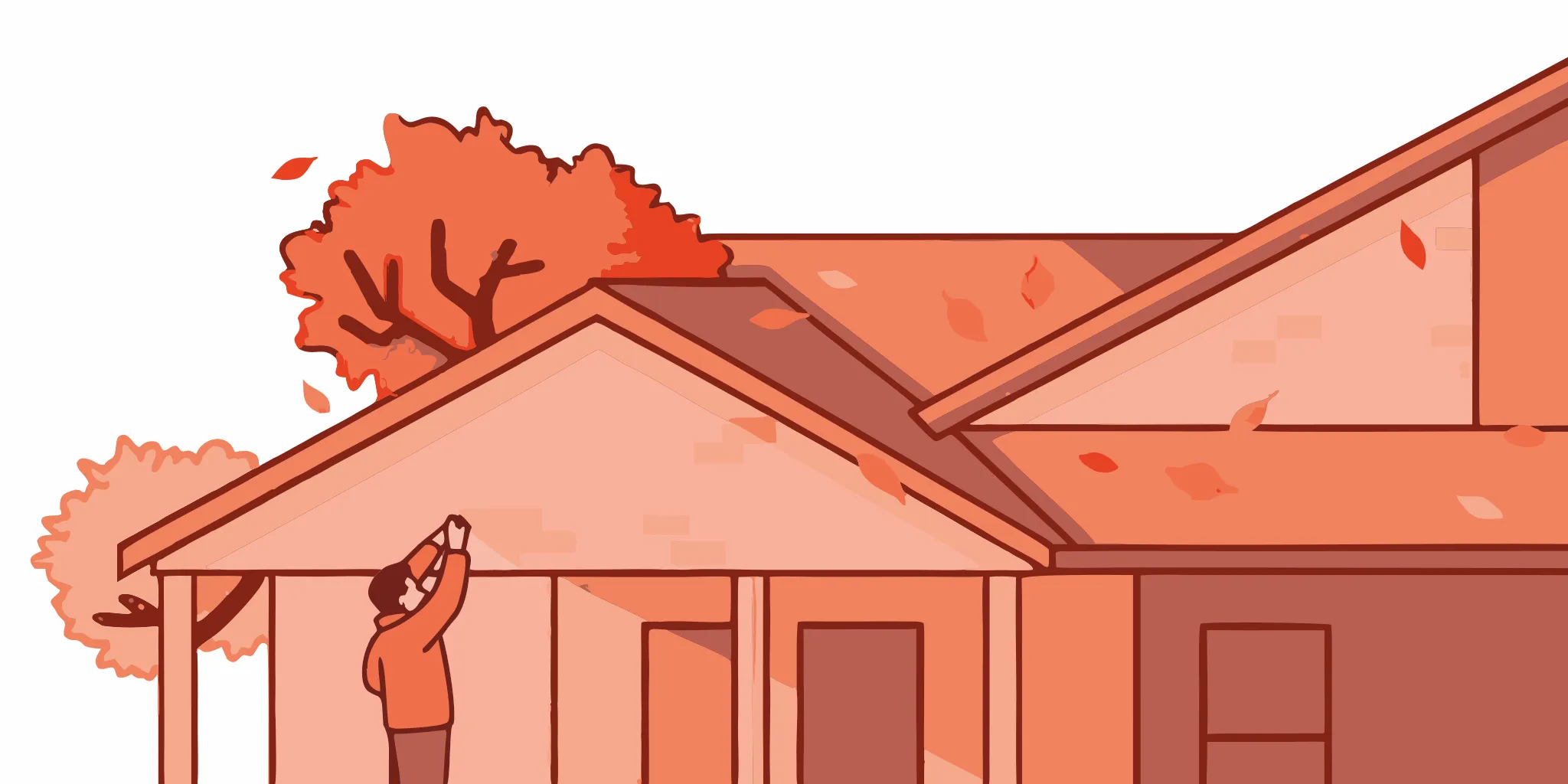
In New Jersey, a gutter system can face a different kind of stress in every season. Spring pollen and storm debris can restrict water flow, autumn leaves and pine needles can create blockages, and winter ice can expose weak seams or damaged sections. A few routine checks can help homeowners spot small problems before runoff reaches the roofline, siding, foundation, or basement.
Effective gutter maintenance means clearing debris, checking gutters and downspouts for damage, confirming that water drains away from the foundation, and scheduling inspections in spring and fall. These simple steps help protect your home’s exterior and reveal repairs before they become more disruptive.
For homeowners in Central and Northern New Jersey, the right schedule depends on nearby trees, roof design, storm exposure, and the age of the system. The checklist below explains what to look for and why regular attention matters, starting with the protection gutters provide for New Jersey homes.
Schedule Your Free Gutter Inspection Today — Schedule your free gutter inspection online or visit our gutter services page to book a professional evaluation of your home’s drainage system.
Why Regular Gutter Maintenance Matters for New Jersey Homes
New Jersey homes deal with a demanding cycle of weather and debris. Oak and maple leaves fill gutters in autumn, spring pollen and small seed pods collect in channels. Summer thunderstorms deliver sudden heavy runoff, and winter freeze-thaw cycles can contribute to ice dams. A gutter system that works in October may be restricted or misaligned by January, so occasional attention is more reliable than waiting for visible overflow.
Gutters do more than carry water off the roof. They direct runoff away from siding, landscaping, the foundation, and basement walls. The North Carolina Cooperative Extension notes that a gutter management system protects against excessive moisture only when it is properly designed and maintained. Regular inspection and maintenance help limit moisture damage to foundations and siding.
Small blockages can create expensive damage
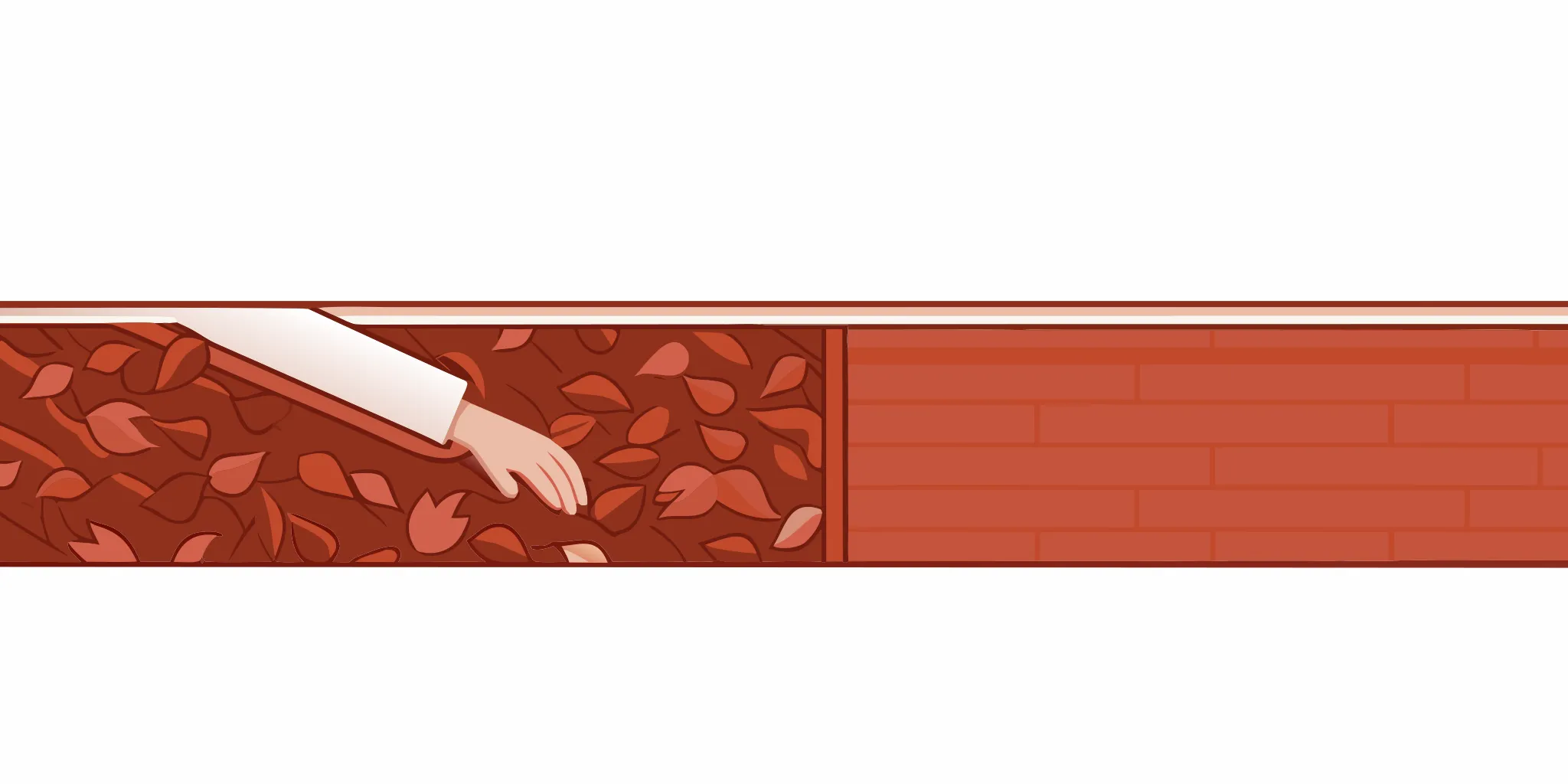
When leaves and other debris stop water from reaching the downspouts, water can spill over the gutter edge or back up toward the roofline. Repeated saturation can contribute to wood decay and mold, while runoff beside the home can worsen foundation moisture and basement problems. In severe cases, neglected drainage can lead to $10,000 or more in foundation damage, depending on the home’s construction, soil, and extent of the intrusion. Addressing a blockage early is usually far less disruptive than repairing the damage it allows.
Debris is also a roof-edge concern
Dry leaves and pine needles are not merely a housekeeping issue. UC Agriculture and Natural Resources warns that combustible debris in gutters can expose the roof edge, fascia, or roof sheathing if ignited. That risk is especially relevant for homes surrounded by mature trees, even though local conditions vary.
Seasonal cleaning is a practical baseline. Mike’s Gutter Services recommends cleaning in spring and fall, while the demand for professional service is reflected by Mr. Gutter NJ reporting more than 2,500 clients. Homeowners who prefer an expert assessment can schedule professional gutter maintenance and inspection. For properties with heavy tree cover, reducing manual gutter maintenance with a properly selected protection system may also make sense, although guards still require inspection.
A Seasonal Gutter Maintenance Checklist for New Jersey Homeowners
A practical schedule helps you catch debris, drainage, and storm damage before a small issue becomes moisture damage. North Carolina State Extension recommends inspecting gutters at least once a year and after major weather events. While the EPA notes that periodic inspections can identify problems requiring more than routine maintenance. For many New Jersey homes, a spring inspection, a thorough fall cleaning, and a quick post-storm check provide a sensible baseline.
Spring Checklist
- Clear winter debris. Remove leaves, twigs, sediment, and any material that accumulated under snow or ice.
- Look for ice damage. Check for separated seams, loose hangers, bent sections, cracked corners, and fascia damage caused by winter conditions.
- Test downspout flow. Run water through each downspout and confirm that it drains freely without backing up or spilling at a joint.
- Check the slope. Gutters should direct water toward the downspouts rather than holding standing water after rainfall.
- Inspect nearby siding and foundation areas. Stains, dampness, or washed-out soil can indicate that water is escaping where it should not.
Fall Checklist
- Remove leaves and pine needles. New Jersey properties with mature deciduous trees can fill gutters quickly during the fall.
- Clear acorns and small branches. These heavier materials can block outlets or prevent gutter covers from seating properly.
- Flush the entire system. Confirm that water reaches every downspout and does not overflow along the roofline.
- Inspect roof-edge components. Look for exposed fasteners, deteriorated sealant, and loose sections before winter weather arrives.
- Plan follow-up service when needed. Some properties need more frequent cleanings than a twice-yearly schedule, depending on tree coverage and debris accumulation.
After-Storm Checklist
- Walk the property from the ground and look for sagging, detached sections, overflowing corners, or downspouts displaced by wind.
- Check for branches resting on the roof or gutter system. Leave hazardous removal to a qualified professional.
- Look for new pooling, erosion, or wet areas near the foundation after heavy rain.
- Schedule an inspection if you cannot identify the source of a leak or safely reach the affected area.
Homeowners who cannot safely climb a ladder should not treat ladder work as a do-it-yourself requirement. A professional gutter maintenance and inspection service can assess the system, clear debris, and identify repairs while reducing fall risk.
For additional guidance, see NC State Extension’s gutter management recommendations.
Common Signs of Gutter Damage Every Homeowner Should Watch For
Gutter problems often begin as small drainage defects and become moisture damage after repeated storms. Inspect the system from the ground, then look for these warning signs around the roofline, siding, and foundation.
Sagging or pulling away from the house
Gutters that bow in the middle, tilt, or separate from the fascia may be carrying standing water or excess debris. Loose hangers can also change the slope, preventing water from reaching the downspouts. Refastening may solve an isolated issue, but widespread sagging usually points to a system that needs more substantial repair.

Rust spots, cracks, and visible holes
Surface rust is a warning that the gutter material is deteriorating. As corrosion spreads, it can create pinholes and open seams that release water along the fascia. Small defects may be patchable, while rusted-through sections are more likely to require replacement.
Leaks at seams and corners
Water dripping from a joint, end cap, or corner during rain often means the seal has failed or the sections have shifted. Do not assume a leak is only a caulking issue. Repeated movement, poor alignment, or damaged metal can make a temporary patch fail quickly.
Overflowing during heavy rain
Overflow can result from leaves and pine needles, but it may also signal an undersized, poorly pitched, or damaged gutter. In New Jersey, intense summer storms can expose drainage weaknesses that are not obvious during light rain. Check whether water spills from one location or along the entire run.
Peeling paint near the roofline
Blistering or peeling exterior paint near the gutters can indicate that water is repeatedly reaching the fascia or trim. Damp wood in this area can deteriorate over time, so treat the paint damage as a moisture clue rather than a purely cosmetic issue.
Staining on siding below the gutter line
Dark streaks, green growth, or recurring dirt below a gutter line may show that water is escaping instead of being carried away. On siding and brickface surfaces, persistent runoff can leave staining and contribute to longer-term moisture concerns.
Foundation cracks or basement moisture
Water discharged too close to the home can saturate soil beside the foundation. New or worsening cracks, damp basement walls, musty odors, and moisture after storms deserve prompt attention. North Carolina State Extension recommends a properly maintained gutter system as part of moisture control, while Garden State’s preventative gutter maintenance guidance explains when failure calls for replacement rather than cleaning. Addressing a failing system early can help avoid repair bills that may reach thousands of dollars.
Downspout Maintenance: A Critical Part of Any Gutter System
Gutters collect roof runoff, but downspouts determine where that water ends up. Their job is to carry water away from the foundation and release it where it cannot soak against the basement walls. Erode landscaping, or undermine the soil around the home. Downspout problems can therefore turn an otherwise functional gutter system into a source of moisture damage.
Common downspout problems
Leaves, pine needles, and other debris can clog the vertical pipe or its outlet. Sections may also separate at the joints, allowing water to spill beside the foundation. Another frequent issue is insufficient drainage distance. During a heavy New Jersey rain event, an unextended downspout may discharge enough water in one location to create a pool near the house. Over time, that water can contribute to basement leaks or foundation moisture.
Check downspouts during regular gutter maintenance and after severe storms. Flush each one with a hose and confirm that water exits freely. Look for loose connections, crushed sections, and standing water at the outlet. If flow remains restricted, a professional can use a camera inspection to identify a blockage or evaluate an underground drain line before attempting repairs.
Move discharge away from the foundation
Downspout extensions are often the simplest solution when water is collecting too close to the home. The North Carolina State University Extension notes that splash blocks are not recommended because they release water too close to the home. Its moisture-management guidance recommends directing water to a suitable outlet at least 10 feet downhill and away from the house. Review the full guidance from NC State Extension.
Where surface extensions are impractical, buried drain pipes can carry runoff to a safer discharge point. Underground drainage may require snaking, camera inspection, or a new outlet, depending on the site and soil conditions. Keeping this system clear is as important as cleaning the gutters above it.
Do Gutter Guards Reduce Your Maintenance Needs?
Gutter guards can make gutter maintenance less frequent, but they are not a set-it-and-forget-it solution. As North Carolina State University notes, guards and strainers help keep debris from clogging gutters and can reduce the need for manual cleaning. Small leaves, pine needles, pollen, roof grit, and other fine material may still settle on or pass through the barrier. A seasonal inspection remains important, especially after heavy storms and during New Jersey’s leaf-drop season.
| Guard Type | How It Works | Maintenance Reduction | Best For |
|---|---|---|---|
| Mesh screens | Fine mesh covers the gutter while allowing rainwater to enter. | Usually reduces leaves and larger debris, but fine particles and pollen may collect on the mesh. | Homes with heavy leaf cover that need a balanced, broadly applicable option. |
| Reverse-curve guards | A curved surface directs water around the edge while debris falls away. | Can reduce surface debris, though buildup and performance should be checked during intense rainfall. | Homeowners who want an enclosed design and have compatible roof and gutter conditions. |
| Foam inserts | Porous foam fills the gutter and lets water filter through its surface. | Blocks much large debris, but organic material can settle in the foam and require cleaning or replacement. | Existing gutters where a less visible insert is appropriate. |
| Brush guards | Brush-like bristles sit inside the gutter and catch leaves above the channel. | Reduces large debris entering the gutter, but needles and smaller material can remain among the bristles. | Simple installations where frequent inspection is practical. |
The right choice depends on roof design, surrounding trees, gutter condition, and the type of debris on the property. Even an effective guard can need brushing or rinsing, and gutters still require checks for sagging, blocked outlets, and proper drainage. Garden State Brickface and Siding installs gutter protection systems designed to minimize debris buildup and support reducing manual gutter maintenance. If the existing system also needs attention, an inspection can help determine whether guards, repairs, or proper gutter maintenance will provide the better long-term result.
When to Repair Your Gutters vs Replace Them
Repair is often sensible when a gutter system is fundamentally sound and the problem is limited to a small area. Replacement becomes more practical when age, repeated failures, or widespread deterioration make repairs temporary. Use this framework as a starting point, then have the system evaluated from the roofline through the downspouts.
Assess the gutter system’s age
Gutters that are more than 20 years old deserve a careful replacement review, especially if they have already developed leaks or sagging. Older systems may have thin, fatigued material and outdated fastening points. A newer system with one isolated issue may only need a resealed seam, a replacement hanger, or a short patch.
Measure the extent of the damage
Look at whether the problem is localized or repeated across the roofline. Isolated leaks, loose sections, and minor alignment problems can often be repaired. Realignment and re-pitching are recognized repair tasks that restore the slope needed to move water toward the downspouts, as described by PJ Fitzpatrick’s New Jersey gutter repair guidance. Rusted-through sections, widespread detachment, or gutters that overflow and leak in multiple locations point more strongly toward replacement.
Count how often repairs are needed
Three or more repairs may signal that the system is no longer dependable. Even when each repair is modest, recurring service calls can cost more over time than installing properly sized, securely pitched gutters. A replacement assessment should also include fascia, hangers, downspouts, and drainage outlets so the underlying cause is not left in place. Signs of failure such as overflowing, leaking, or detachment may require significant repair or replacement, not cleaning alone.
Consider the replacement material and design
Material matters when you replace the system. Metal gutters are generally preferred over vinyl or plastic in wildfire-prone areas because plastic can melt and detach when exposed to intense heat, according to the University of California Agriculture and Natural Resources. For many homes, seamless construction can also reduce the number of joints where leaks develop. Review the options for proper gutter maintenance, and explore preventative gutter maintenance before choosing between another repair and a full replacement.
How Gutter Maintenance Protects Your Foundation and Roof
Gutters are part of your home’s exterior protection system, not merely a finishing detail. When they collect leaves, pine needles, or other debris, rainwater can overflow against the fascia, run down siding, and pool beside the foundation. The North Carolina State University Cooperative Extension notes that a gutter system protects the foundation and siding from excessive moisture only when it is properly designed and maintained.
That risk deserves special attention in New Jersey. Heavy rainfall can overwhelm a partially blocked system, while freeze-thaw cycles can worsen small leaks, loose fasteners, and cracks. Clay soils also expand when wet and can place additional pressure around foundation walls. For homes with basements, clogged gutters and poorly directed downspouts can contribute to the water intrusion that homeowners often discover as damp walls, seepage, or musty odors.
Keep water away from the foundation
Cleaning the gutter trough is only the first step. Downspouts need to discharge water far enough from the house to prevent it from soaking the soil directly beside the foundation. NC State recommends carrying gutter water to a suitable outlet at least 10 feet downhill and away from the home. It also cautions that splash blocks may release water too close to the foundation. If water repeatedly pools near the house, an extension or an underground drainage solution may be more effective than another round of cleaning.
Protect the roof edge and siding
Standing water and backed-up gutters can damage fascia and roof-edge components. Research from the University of California Agriculture and Natural Resources connects water entering roof structures with moisture-related problems such as wood decay and mold. Overflow can also stain siding and keep wall surfaces wet, increasing the chance of deterioration over time. Keeping gutters clear, checking their pitch, and inspecting seams after major storms helps water move through the intended path instead of behind the exterior materials.
Garden State Brickface & Siding can evaluate the connected parts of that exterior envelope, including gutters, roofing, siding, masonry, and basement waterproofing. For a broader inspection and practical next steps, explore our gutter maintenance services.
Frequently Asked Questions
How often should gutters be cleaned in New Jersey?
Many New Jersey homes need gutter cleaning in spring and fall. Homes beneath oak, maple, or pine trees may need more frequent attention, especially after heavy leaf drop or a major storm. Inspect the gutters when debris accumulates, water overflows, or downspouts stop draining freely.
What is the average cost of gutter maintenance in New Jersey?
There is no single average price because the cost depends on the home’s size and height. Gutter condition, debris volume, access, and whether repairs or downspout work are needed. A professional inspection can identify the actual scope before you receive a quote. Be cautious of any published price that does not account for those conditions.
What are the common signs that my gutters need repair?
Look for sagging sections, rust, cracks, leaking seams, loose fasteners, and water spilling over the edge during rain. Peeling paint or staining below the gutter line can also indicate repeated moisture exposure. Foundation cracks, basement leaks, or eroded soil near downspouts suggest that drainage needs prompt attention.
Can I perform my own gutter cleaning and maintenance?
Some homeowners can safely remove accessible debris and check downspout flow from the ground. Ladder work on a two-story home, steep roof, or unstable surface creates fall and property risks, however. If gutters are difficult to reach, damaged, or connected to underground drainage, use a qualified professional for inspection and cleaning.
Do gutter guards eliminate the need for cleaning?
No. Mesh screens, reverse-curve guards, foam inserts, and brush guards can reduce how often debris enters the gutter, but they still need inspection. Leaves, seeds, pine needles, and roof grit can collect on or beneath the guard. Periodic cleaning and checks remain important for reliable drainage.
Ready to Schedule Your Gutter Inspection?
Get Your Free Gutter Inspection Today — Regular maintenance can help identify blocked, sagging, or damaged gutters before they affect other parts of your home. Schedule your free gutter inspection online to book your free gutter inspection and consultation with Garden State Brickface & Siding.