Commercial Roofing Maintenance: NJ Spring Audit Guide
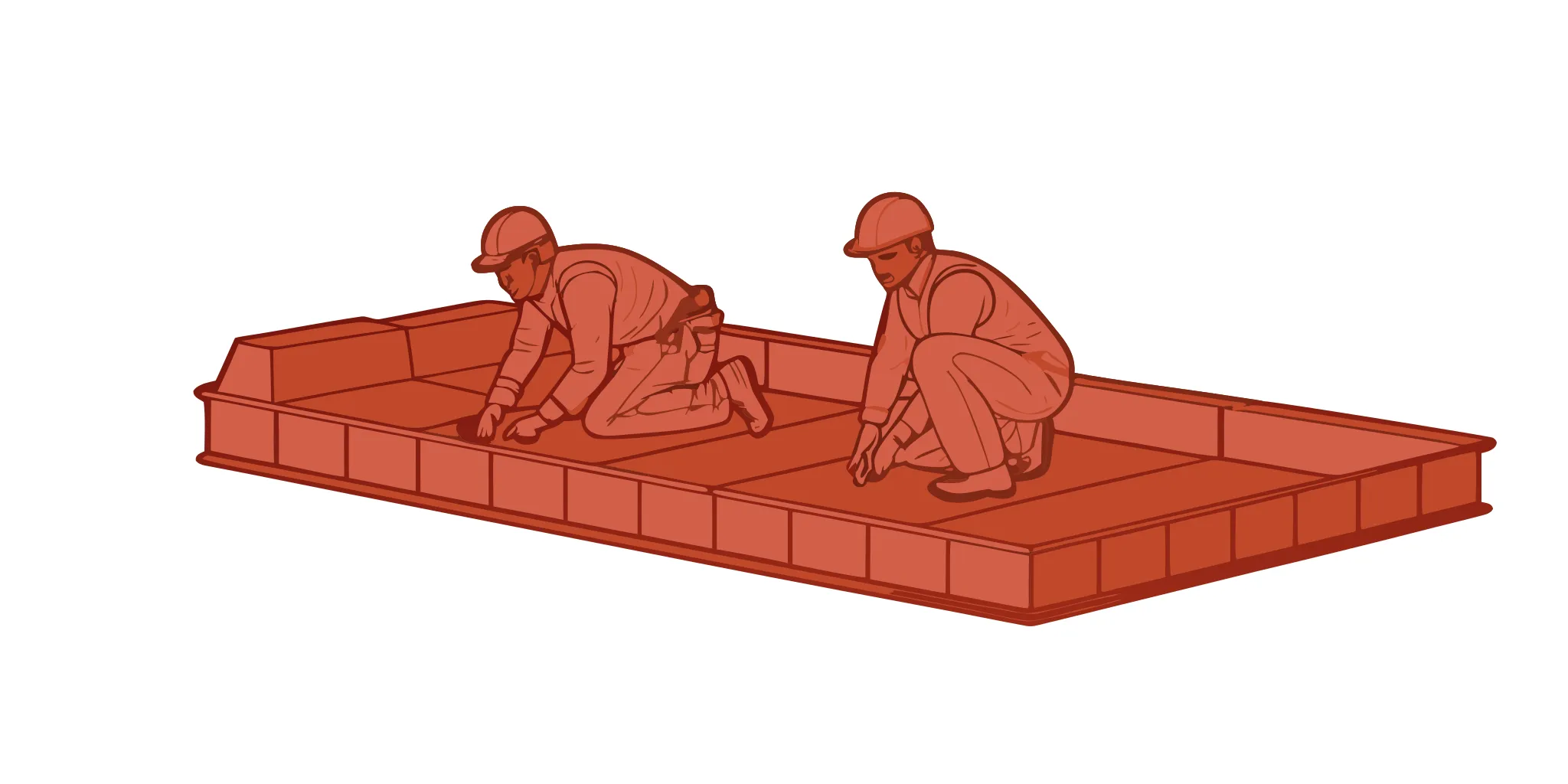
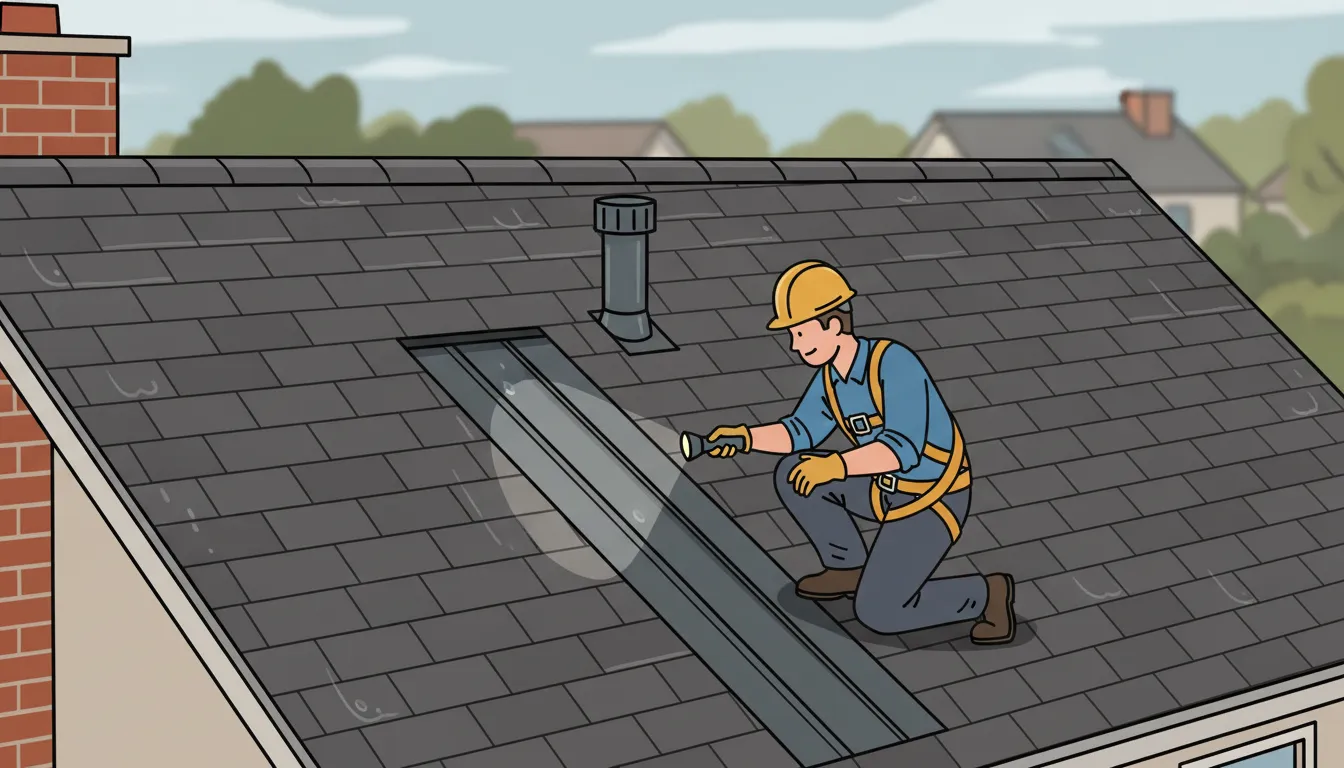
A commercial roofing maintenance audit every spring is the most effective way to catch winter damage before it becomes an emergency. New Jersey freeze-thaw cycles, heavy snow loads, and wind-driven ice stress every component of a flat roof or low-slope system. For property managers, facility directors, and building owners across Central and Northern NJ. A thorough April or May inspection prevents expensive summer repairs, extends roof life, and protects tenant comfort.
Schedule your free commercial roofing inspection today. Call 908-241-5900 to book your spring audit with Garden State Brickface and Siding.
Why Spring Is the Critical Season for NJ Commercial Roof Inspections
Spring inspections identify winter damage before spring storms turn minor issues into major repairs. New Jersey’s climate amplifies this urgency because the state experiences 15 to 40 inches of snowfall depending on region. Combined with repeated freeze-thaw cycles that stress every roof component.
When temperatures swing above and below freezing repeatedly, commercial roofing materials expand and contract at different rates. EPDM rubber membranes, TPO single-ply sheets, and modified bitumen surfaces all react to thermal stress. Over a single winter, a roof can experience dozens of these cycles. Each one slightly weakens seams, flashings, and sealants. By March, what was a minor seam separation in December may have grown into a pathway for spring rain to enter the building envelope.
The numbers back up the urgency. Commercial roofing contractors in New Jersey report that the majority of emergency service calls occur in early spring, when winter-weakened membranes meet the season’s first heavy nor’easter. A spring inspection catches these vulnerabilities before they become expensive emergencies that require interior water damage remediation, mold abatement, and tenant disruption.
Ready to protect your roof from spring storms? Call 908-241-5900 now to schedule your spring inspection with New Jersey’s most trusted commercial roofing team.
What Winter Does to Flat Roofs and EPDM Membranes
Flat and low-slope roofs, which dominate New Jersey commercial properties, carry every pound of snow until it melts or is removed, making them uniquely vulnerable to winter weather. Unlike pitched residential roofs that shed snow naturally, flat roofs accumulate the full weight of winter precipitation. A single foot of wet snow can add 15 to 20 pounds per square foot to the roof deck.
Here is how winter damage progresses on a typical New Jersey commercial roof:
- Snow accumulates on the flat surface. The added weight stresses the roof deck, insulation, and structural supports beneath the membrane.
- Freeze-thaw cycles cause the membrane to contract and expand repeatedly. This stresses seams, flashings, and sealants at every penetration point.
- Ice dams form at parapet walls and roof drains. Blocked drainage forces water to pool on the membrane surface, where it can freeze and expand.
- Standing water from snowmelt ponds in low areas. Ponding water adds static weight and accelerates membrane degradation through UV exposure and chemical breakdown.
- Debris from winter winds accumulates in gutters and drains. Pine needles, leaves, and granular material from modified bitumen roofs clog drainage pathways.
- Flashing around HVAC curbs, vents, and skylights separates from the membrane. Differential contraction rates cause the seal between metal flashings and rubber membranes to fail.
- Coping at roof edges loosens or detaches. Wind-driven ice and snow push against edge metal, bending or separating it from the roof assembly.
- Spring thaw reveals the accumulated damage. Interior leaks, ponding water, and exposed membrane defects become visible as snow melts and rain arrives.
EPDM rubber membranes are among the most common commercial roofing materials used in New Jersey, with a typical service life of 20 to 30 years with proper maintenance. But EPDM has a specific vulnerability in winter. The membrane becomes stiffer in cold temperatures, and the seams where sheets are joined together see the most stress. When ice dams form at parapet walls or roof drains, water backs up under the membrane and freezes. Prying the seam open from underneath and creating a pathway for spring rain.
Modified bitumen roofs face similar challenges. The heat-welded seams that make these systems watertight in warm weather develop hairline cracks after repeated freeze-thaw cycles. TPO and PVC membranes, while more flexible in cold conditions. Experience shrinkage at attachment points that pulls them away from flashings at roof penetrations like HVAC curbs and vents.
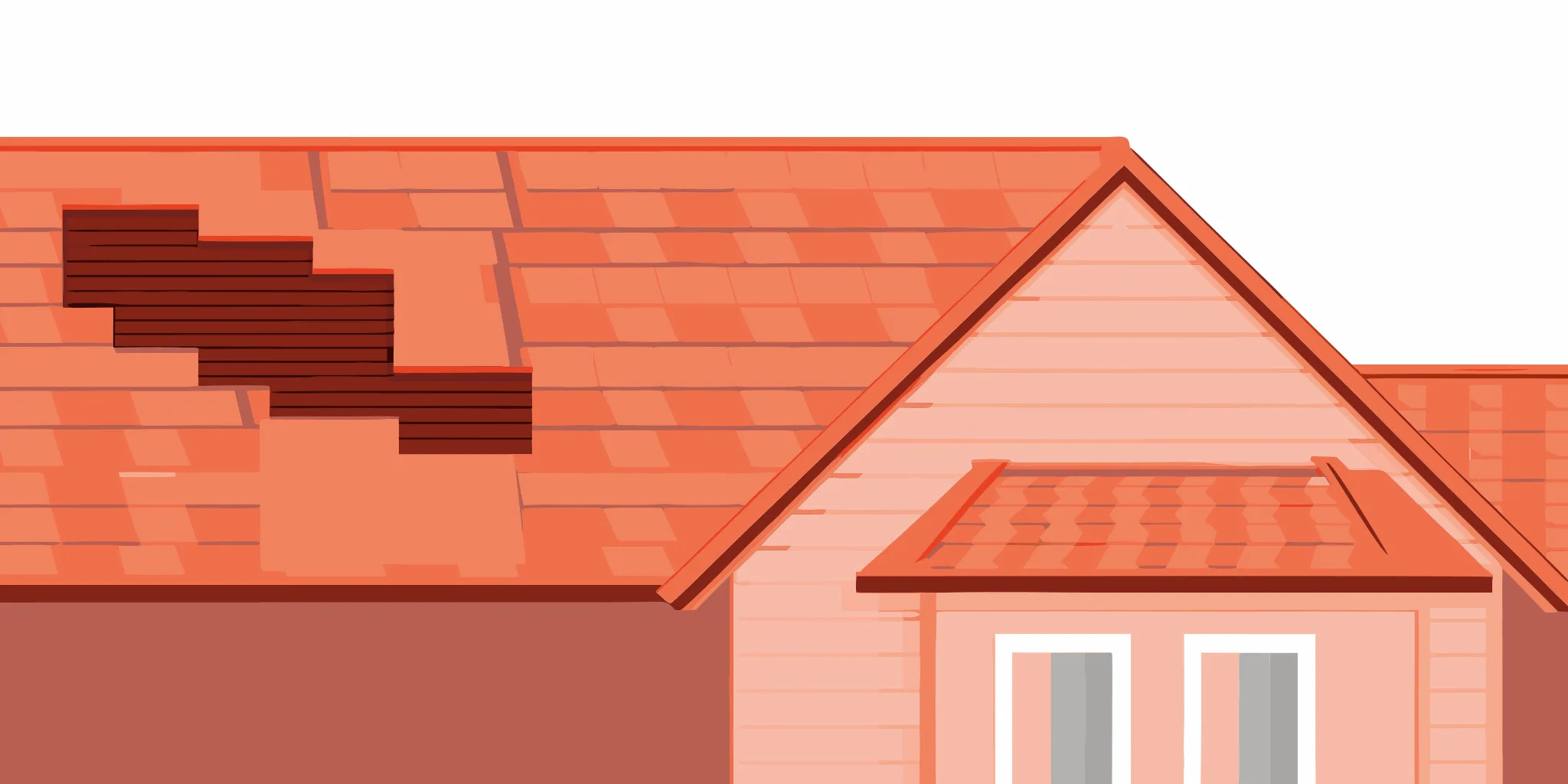
The most common winter damage that NJ commercial roofing contractors find during spring inspections includes membrane punctures from ice or debris, open or lifted seams at sheet junctions. Cracked or separated flashings around penetrations, damaged or missing coping at roof edges, and clogged or frozen drain lines.
Spring Storm Risks for Commercial Gutters and Drainage
Gutter and drainage system failure is often the first line of defense that breaks during a spring storm. And a single clogged downspout can cause more damage than a failed membrane seam. New Jersey’s tree canopy is dense, and winter winds deposit pine needles, leaves, twigs, and other debris onto commercial roofs. This debris accumulates over months and is carried by melting snow and rain into gutters, downspouts, interior roof drains, and scuppers.
A clogged gutter is not a minor inconvenience on a commercial building. When spring storms arrive, and they arrive with force in New Jersey. Water that cannot escape through the drainage system backs up under the roof edge, behind the fascia, and into the building’s exterior walls. The resulting damage from a single clogged downspout during a nor’easter can exceed the annual cost of a professional commercial roofing maintenance program.
Commercial gutter systems face additional stress from ice dam aftermath. The weight of ice that formed in gutters over winter can bend gutters, separate downspout connections, and crack the seal between the gutter and the roof edge. Even after the ice melts, the gutter system may no longer slope properly to drain water. Spring is the time to identify these issues before the next storm system arrives.
Gutter guards for commercial properties offer a proactive solution for buildings where debris accumulation is a recurring problem. They reduce the frequency of gutter cleaning while maintaining the full flow capacity of the drainage system during heavy rain. For multi-family properties and institutional buildings with complex roof geometries, investing in gutter protection pays for itself through reduced maintenance costs and prevented water damage.
Your Commercial Roofing Spring Maintenance Checklist
A comprehensive spring commercial roofing maintenance checklist covers every component from membrane surface to interior ceiling. And following it systematically prevents the most common causes of spring roof failure.
| Inspection Area | What to Check | Why It Matters |
|---|---|---|
| Membrane Surface | Look for punctures, blisters, wrinkles, fishmouths, and areas of standing water. Check for granule loss on modified bitumen. | Membrane defects allow water infiltration. Ponding water accelerates degradation and adds structural stress. |
| Seams and Joints | Inspect all membrane seams for separation, lifting, or gaps. Check TPO or PVC heat-welded seams for channel separation. | Seam failure is the most common entry point for water. A split seam can leak gallons per minute during heavy rain. |
| Flashings and Penetrations | Check flashings at HVAC curbs, plumbing vents, exhaust stacks, skylights, and parapet walls. Look for cracking, separation, or exposed fasteners. | Penetrations are where most commercial roof leaks originate. Failed flashings bypass the primary membrane. |
| Drains and Scuppers | Clear all roof drains, scuppers, gutters, and downspouts of debris. Verify that drain strainers are in place and functional. | Clogged drainage causes ponding water. Overflowing gutters can damage roof edge, fascia, and exterior walls. |
| Gutter System | Check for sagging sections, separated joints, damaged downspouts, and proper slope. Look for gaps at the gutter-roof interface. | Winter ice deforms gutters. Damaged gutters do not drain properly, leading to water backup and edge damage. |
| Sealants and Caulking | Inspect all sealant applications around penetrations, expansion joints, and roof curbs. Look for cracking, missing material, or adhesion loss. | Sealants dry and crack over time. Failed sealants are hidden entry points that allow water migration between roof layers. |
| Roof Edge and Coping | Check metal coping for secure attachment, separation from the membrane, and signs of corrosion. Verify that edge flashings are fastened properly. | Wind uplift during spring storms lifts loose coping. A detached coping exposes the entire roof edge to water entry. |
| Interior Inspection | Examine ceilings, walls, and mechanical rooms below the roof for water stains, active drips, mold growth, or musty odors. | Interior evidence often catches leaks the roof inspection misses. Water can travel laterally before appearing indoors. |
Commercial roofing contractors serving New Jersey recommend scheduling this inspection in April or early May, after all snow has melted and before the first heavy spring storm. For buildings with leak history or older roof systems older than 15 years. A follow-up inspection in late fall is equally important to prepare the roof for the next winter.
The Cost of Neglect vs. the Value of Preventative Maintenance
The financial case for routine commercial roofing maintenance is straightforward: emergency repairs cost five to ten times more than scheduled maintenance. And the gap widens dramatically when you factor in interior damage, business interruption, and shortened roof life.
A single membrane puncture caught during a spring inspection may cost a few hundred dollars to patch. That same puncture, left undetected through a spring nor’easter, can allow thousands of gallons of water into the roof assembly. Once moisture penetrates the insulation layer, the water migrates laterally. A two-inch puncture above an office space can lead to a 1,000-square-foot section of saturated insulation that requires full tear-off and replacement. In New Jersey, where commercial roof replacement costs average $8 to $15 per square foot depending on system type and accessibility. That one neglected puncture can become a $15,000 repair or more.
There is also an insurance dimension. Most commercial property insurance policies require building owners to perform regular maintenance. A claim for storm damage may be reduced or denied if the adjuster finds that existing damage or neglect contributed to the loss. Documented inspection and maintenance records are the evidence that protects your coverage.
Roof manufacturers also tie their warranty coverage to maintenance. Every major membrane manufacturer, including CertainTeed whose systems Garden State Brickface and Siding installs, requires annual inspections and documented upkeep to maintain warranty validity. Missing a single year of maintenance can void the remaining warranty coverage on a roof system with years of life remaining.
Don’t wait for a leak to call. Call 908-241-5900 today to schedule your spring commercial roofing inspection and protect your building investment.
Why Garden State Brickface and Siding for Your Commercial Roofing Maintenance
Garden State Brickface and Siding combines the scale to handle complex commercial roofing projects across 14 New Jersey counties with the accountability of a 73-year-old family-owned company that uses its own in-house crews rather than subcontractors.
New Jersey property managers and building owners have no shortage of options for commercial roofing services. National chains like CentiMark maintain a regional presence with 85 employees at their South Plainfield location. Regional operators like H. Recinos Roofing have installed over 3,000 commercial roofs since 2006. But within this competitive landscape, Garden State Brickface and Siding occupies a distinct position built on seven decades of New Jersey-specific construction expertise.
Founded in 1953 and headquartered in Rahway, the company operates its own crews, not subcontractors. Every commercial roof inspection, repair, and replacement is performed by employees who answer directly to the company. For property managers who have experienced the frustration of subcontractor quality inconsistency, this distinction matters.
Garden State Brickface and Siding serves commercial clients across 14 counties and over 300 municipalities in Central and Northern New Jersey. From Bergen to Mercer and from Hudson to Monmouth. The company’s commercial contracting division is led by dedicated project managers who coordinate phased execution, after-hours work availability, and minimal disruption to building operations. The company holds an MBE Certification through the National Minority Supplier Development Council and maintains partnerships with premium manufacturers including CertainTeed roofing systems.
The results speak for themselves. Garden State Brickface and Siding has accumulated over 260 five-star Google reviews with a perfect 4.9-star average. A track record that few roofing contractors in any market can match.
Frequently Asked Questions
How do you maintain a commercial roof?
Commercial roof maintenance involves regular inspections at least twice per year, clearing debris from drains and gutters. Checking flashings and seals, repairing membrane blisters or punctures promptly, and addressing ponding water issues. A professional contractor can develop a comprehensive program tailored to your roof type and building usage.
How often should a commercial roof be inspected?
Commercial roofs should be professionally inspected at least twice per year. The first inspection should occur in spring after the last snow melts, and the second should take place in late fall before winter weather arrives. Additional inspections are recommended after any major storm or extreme weather event.
How long does a commercial flat roof last?
The lifespan of a commercial flat roof depends on the membrane material and maintenance quality. EPDM rubber roofs typically last 20 to 30 years. TPO and PVC roofs average 15 to 25 years. Modified bitumen roofs last 15 to 20 years, and built-up roofing systems can last 20 to 30 years. Regular inspections extend the service life by five to ten years or more.
What is the 25 percent rule for roofing?
The 25 percent rule is a guideline used by insurance adjusters and roofing contractors suggesting that full replacement is more cost-effective than continued repairs when more than 25 percent of a roof has visible damage. This rule is commonly applied after storms and for aging roof systems.
What does commercial roof maintenance include?
A comprehensive commercial roof maintenance program includes visual inspection of the membrane surface, seam integrity checks, flashing and penetration inspection. Drain and scupper clearing, gutter system evaluation, sealant condition assessment, roof edge inspection, and interior ceiling inspection for moisture signs. Most contractors provide a written report with photographs and recommendations.
Do I need a license for commercial roofing in New Jersey?
New Jersey requires roofing contractors to hold a valid Home Improvement Contractor license from the Division of Consumer Affairs. Commercial work may also need specific business registrations based on the municipality. Property managers should verify that any contractor is properly licensed, insured, and bonded. Garden State Brickface and Siding is fully licensed, insured, and MBE-certified.
Schedule Your Spring Commercial Roof Maintenance Inspection Today
Your commercial roof is one of the most valuable assets you manage. A single spring inspection can prevent thousands of dollars in emergency repairs and years of hidden moisture damage. New Jersey’s freeze-thaw winters and intense spring storms demand a proactive approach. The right commercial roofing contractor makes the difference between staying ahead of problems and scrambling to fix damage after it happens.
Ready to protect your building and your bottom line? Call 908-241-5900 today to schedule a free commercial roofing inspection with Garden State Brickface and Siding. Our local NJ team has been protecting commercial properties since 1953, and we are ready to help you keep your roof in top shape through every season.