Roof Moss and Algae Removal NJ: What NJ Homeowners Should Know
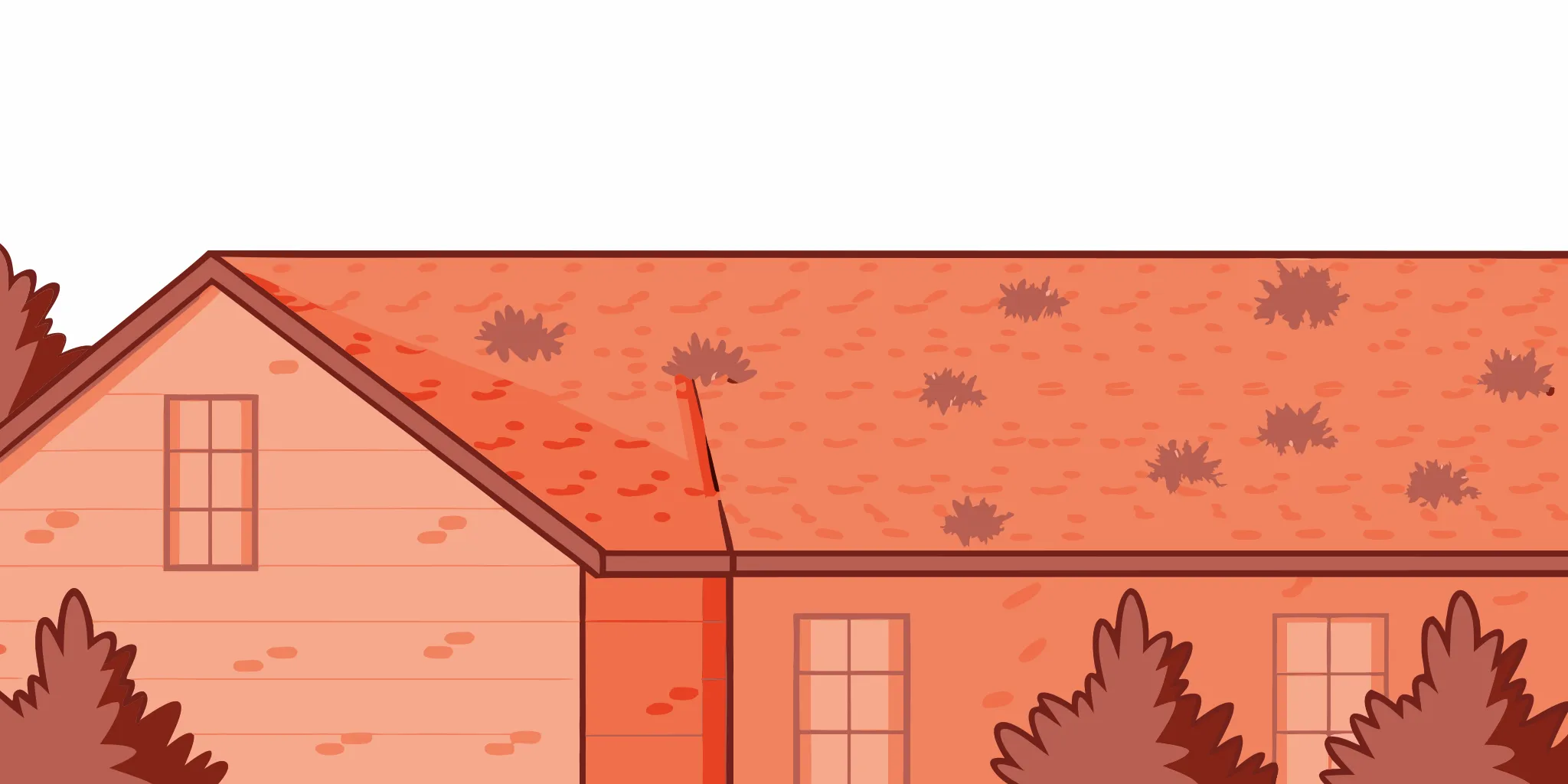
Black streaks and green moss on a New Jersey roof signal more than just a cosmetic problem. These growths feed on your shingles over time, and ignoring them can lead to leaks and expensive repairs. Understanding what you are dealing with and when to call a professional makes the difference between a simple cleaning and a full roof replacement.
SCHEDULE A FREE ESTIMATEWhy Roof Moss and Algae Thrive in New Jersey
New Jersey’s climate is ideal for organic roof growth. The mix of high humidity, seasonal rain, and temperature swings creates conditions where moss and algae flourish. This is not just about curb appeal — these growths can cause real structural damage if left untreated.
High Humidity and Seasonal Rainfall
New Jersey weather stays damp for much of the year. This constant moisture feeds the organisms that colonize your roof. Seasonal rain keeps roof surfaces wet for extended periods, creating the perfect environment for moss and algae to take hold.
Black streaks on NJ roofs are typically a type of algae called Gloeocapsa magma. Per MicrobeWiki, this organism feeds on the limestone filler in asphalt shingles, gradually breaking down the roofing material. This process causes shingles to deteriorate and reduces their ability to reflect heat, potentially raising cooling costs in summer. A well-maintained asphalt shingle roof can last 25–30 years when properly cared for.
Shade and Overhanging Trees
Moss depends on shade to survive. If parts of your roof rarely see direct sunlight, moss will likely establish itself. Overhanging trees block the sun and drop leaves that trap moisture against the shingles. According to Oregon State University Extension, trimming branches to let more light reach the roof is one of the most effective long-term prevention strategies.
North-facing roof slopes are especially vulnerable. These areas stay cool and damp longer than the rest of the house, creating a perfect moss habitat. While moss may appear dead during dry spells, it is often dormant and resumes growth as soon as rain returns.
Is It Algae, Moss, Lichen, or Roof Damage?
Knowing what you are looking at determines what action to take. Dark streaks, green mats, and crusty patches each require a different approach.
Algae: Black Streaks
Algae appears as dark black streaks that follow the flow of water down your roof. Gloeocapsa magma feeds on the limestone in shingle granules. Over time, this weakens the shingle structure and reduces the roof’s ability to reflect UV radiation. A professional soft wash removes algae without damaging shingles.
Moss: Green Mats
Moss grows in thick, green mats with a root-like structure that can lift shingles. Unlike algae, moss physically separates roofing materials, creating gaps where water enters. Moss holds moisture against the roof deck, accelerating wood rot. It typically grows on north-facing slopes and under tree cover.
Lichen: Crusty Patches
Lichen is a combination of algae and fungus that grips shingles tightly. Attempting to scrape it off can tear away protective granules, exposing the underlying mat to UV damage and water infiltration. Professional low-pressure cleaning is the safest removal method.
When Damage Goes Beyond Surface Growth
Curled or cracked shingles, exposed nail heads, and piles of granular sediment in gutters indicate structural roof damage rather than surface growth. In these cases, cleaning alone is insufficient. A professional inspection can determine whether repair or replacement is needed.
How Professionals Handle Roof Moss and Algae Removal in NJ
Professional roof cleaning in New Jersey follows a systematic process designed to remove growth safely without damaging roofing materials.
Inspection and Setup
The first step is a thorough roof inspection. Professionals look for loose shingles, gaps in flashing, and signs of existing leaks. Cleaning a roof with active leaks can force water into the home. Crews also protect landscaping with tarps, as cleaning solutions can harm plants.
Low-Pressure Soft Washing
High-pressure washing strips the protective granules from shingles and voids manufacturer warranties. Professional teams use soft washing — low pressure combined with specialized cleaning solutions that kill moss and algae at the root. The process is slow and methodical, ensuring thorough removal without force.
- Inspect for damage and identify weak spots.
- Protect landscaping and seal entry points.
- Apply a biodegradable cleaning solution to break down growth.
- Rinse with low-pressure water to remove dead organic matter.
- Clear gutters of debris and check for hidden damage.
Post-Cleaning Assessment
After cleaning, professionals inspect for damage that was concealed under growth. Moss can lift shingles and trap moisture against the roof deck for years. Identifying and addressing these issues early prevents costly repairs down the road.
Can Moss and Algae Damage Asphalt Shingles?
Yes. These growths are not merely cosmetic concerns. They actively degrade roofing materials over time.
Algae Weakens Shingle Structure
Gloeocapsa magma feeds on the limestone granules embedded in asphalt shingles for weight and UV protection. As these granules are consumed, shingles become thin, brittle, and vulnerable to cracking. Granule loss also reduces the roof’s ability to reflect heat, increasing attic temperatures and summer cooling costs.
Moss Traps Moisture and Lifts Shingles
Moss acts like a sponge, holding water against the roof surface for extended periods. This constant moisture can rot the wood deck beneath the shingles. Moss also grows under shingle edges, lifting them and creating pathways for rainwater to enter the attic. In winter, trapped water freezes and expands, widening gaps and worsening leaks.
How NJ Homeowners Can Prevent Regrowth
Prevention is far more cost-effective than repeated cleaning. Simple changes to your home’s surroundings can dramatically reduce the conditions that encourage moss and algae growth.
Increase Sunlight Exposure
Trim back tree branches that overhang your roof. More sunlight reaching the shingles keeps the surface dry and inhospitable to moss. This simple step also prevents leaves and debris from accumulating, which trap moisture and provide a growing medium for organic matter.
Install Zinc or Copper Strips
Metal strips installed along the ridge of your roof release tiny particles during rainfall. These particles inhibit spore germination and prevent new colonies from establishing. A single installation provides protection for years with no ongoing maintenance.
Maintain Gutters and Attic Ventilation
Clean gutters ensure water drains properly rather than pooling on the roof surface. Good attic ventilation helps regulate temperature and moisture levels, reducing the conditions that promote exterior growth. Both measures extend the life of your roofing investment.
When Cleaning Is Not Enough
Professional cleaning addresses surface growth, but some roofs are past the point where cleaning alone makes sense. Knowing when to stop cleaning and start planning for replacement saves money in the long run.
Curled or cupped shingles, widespread granule loss, multiple leaks, and shingles that crack or crumble when touched all indicate that your roof has reached the end of its service life. A roof that is structurally compromised will continue to leak regardless of how clean it looks. In these cases, full roof replacement is the only sound solution. Regular roof maintenance articles can help you track your roof’s condition throughout the year.
Frequently Asked Questions
Can I clean roof moss and algae myself?
DIY cleaning is risky and often ineffective. High-pressure washers can strip the protective granules from shingles, voiding your warranty. Professional soft-wash methods use low pressure and specialized solutions that kill the root structure without damaging your roof. For safety and effectiveness, professional roof moss and algae removal NJ services are strongly recommended.
How often should I have my roof professionally cleaned?
Most NJ homes benefit from a professional inspection and cleaning every two to three years. Homes under heavy tree cover or on north-facing slopes may need annual attention. Regular maintenance catches growth early before it can damage shingles or trap moisture against the roof deck.
Does roof moss mean I need a new roof?
Not necessarily. Moss alone does not mean your roof needs replacement. However, if moss has been growing for years, it may have lifted shingles and allowed water damage underneath. A professional inspection can determine whether cleaning is sufficient or if damaged sections need repair or replacement.
How much does professional roof moss and algae removal in NJ cost?
Costs vary based on roof size, pitch, and the severity of growth. Typical professional cleaning ranges from $300 to $800 for most NJ homes. Many contractors include a roof inspection as part of the service. Contact Garden State Brickface & Siding for a quote tailored to your property.
Does homeowners insurance cover roof moss removal?
Standard homeowners policies typically do not cover moss or algae removal because they consider it a maintenance issue. However, if moss growth has led to documented water damage inside your home, the resulting repairs may be covered. Check your policy or speak with your agent for clarification.
What causes black streaks on my roof in New Jersey?
Those black streaks are usually Gloeocapsa magma, a type of algae that feeds on the limestone filler in asphalt shingles. It thrives in New Jersey’s humid climate and is not just a cosmetic issue — over time it can break down shingle granules and reduce your roof’s ability to reflect heat.