Brick Repointing vs Tuckpointing: Key Differences
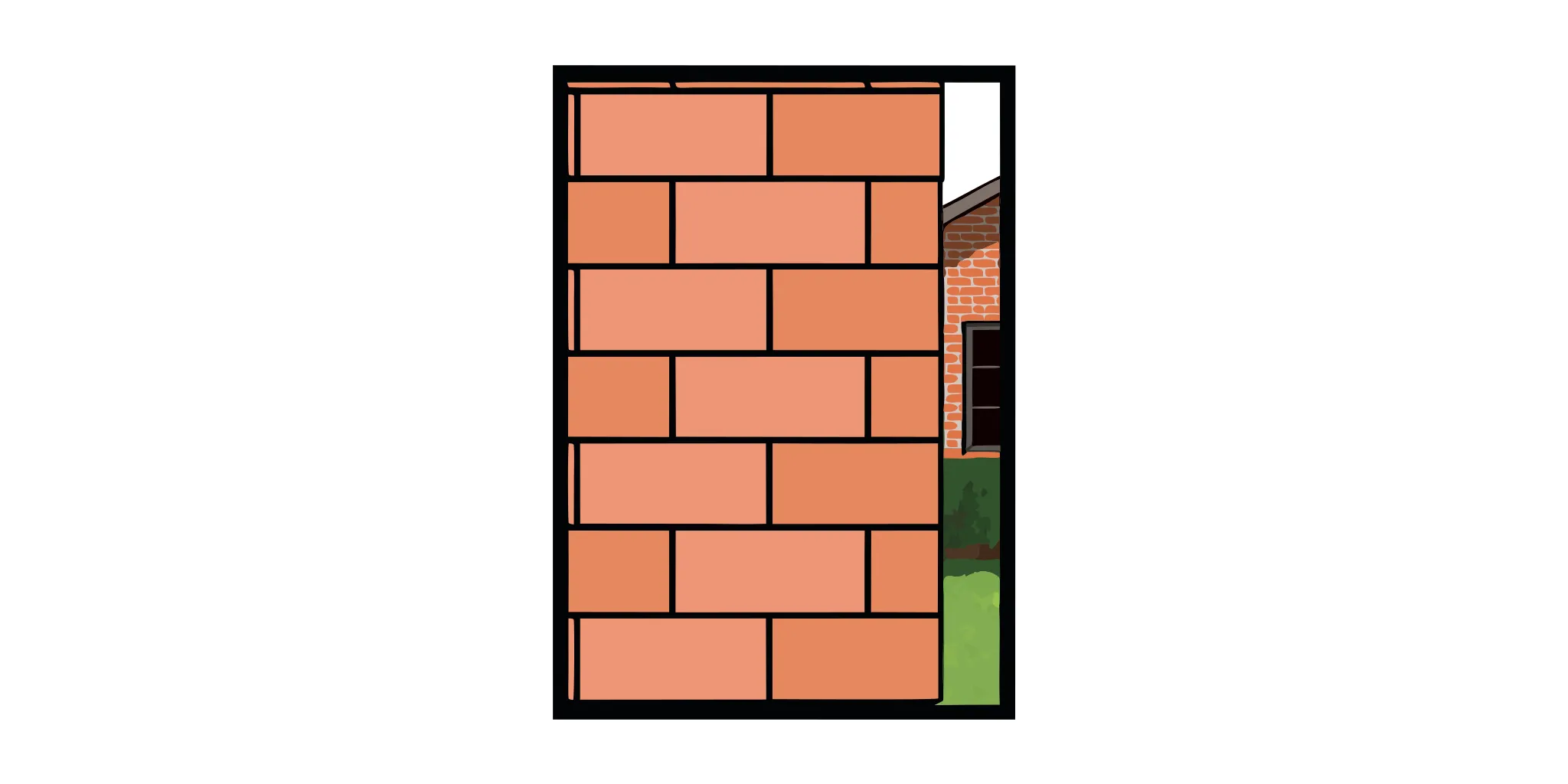
Masonry joints that flake and shed dust often signal that your home needs urgent mortar repair.
Call 908-241-5900 to schedule a professional masonry inspection.
Brick repointing vs tuckpointing describes two very different ways to fix and style the masonry on your home. Repointing is a base repair that involves taking out old, weak mortar from joints and putting in fresh mortar. This step keeps water out and stops bricks from getting loose or cracking over time. On the other hand, tuckpointing is a visual method that uses two colors of mortar to create the look of very thin, clean lines. While repointing fixes the health of the wall, tuckpointing makes it look like new. According to research from Eastern Michigan University, repointing is the act of putting in new mortar to keep the wall from more harm. Both tasks help save your brickwork from New Jersey’s harsh weather and keep your home safe for years.
Brick repointing vs tuckpointing: the key difference
Many people use the terms repointing and tuckpointing to mean the same thing. While they both involve fixing mortar between bricks, they serve other goals. One method focuses on the health and strength of your wall. The other aims to change how the wall looks. Knowing the gap between these two paths helps you make the best choice for your New Jersey home.
What is brick repointing?
Brick repointing is the act of fixing old, worn mortar joints. Over time, wind and rain cause the mortar to crack or fall out. If you do not fix common masonry repair issues, water can seep into the brickwork. This often leads to big problems with the strength of the wall. Workers remove the old mortar and pack in new mix to seal the gaps. Garden State Brickface & Siding has done this work for over 70 years.
This work is vital for the life of any building. In New Jersey, the cold and warm cycles of winter can be hard on masonry. Repointing is essential for stopping damage from water that gets inside the walls. By filling the gaps, you protect the bricks from cracking. It is also key to use the right mortar. New mortar must match the old in strength and type. Using mortar that is too hard can cause the bricks to break. This keeps the home safe from the weather for many years.
What is tuckpointing?
Tuckpointing is a tough and skilled job. It starts like repointing, but it adds a final style step. Workers use two colors of mortar. One color matches the bricks to hide the real joint size. Then, they add a thin, bright line of a second color. This creates the look of fine joints across the wall. Long ago, people used this to make cheap bricks look like costly ones.
People often choose this method for a high-end look. It makes old or uneven bricks look sharp and neat. If you want your home to look its best, expert tuckpointing services provide a crisp finish. While it protects the wall like repointing, the main goal is to boost the style and value of the house. The thin lines highlight the brickwork and give the home a top feel. It is a great choice for historic homes in New Jersey.
Choosing the best path
The choice depends on your needs and your budget. If you only want to stop leaks and save the wall, standard repointing is enough. It is a smart fix that keeps your home strong and dry. Most repair jobs focus on this path to ensure the wall lasts for decades. Since 1953, our family-owned business has helped people pick the right fix for their masonry. We offer free checks to see what your wall needs.
But if you want a top look for a historic home, tuckpointing is the way to go. It gives you the same safety but with a much more polished result. It hides sloppy joints and makes the wall look brand new. This method costs more because it takes more time and skill. Both ways will seal your home from rain and snow. Your choice should match the look you want for your house.
| Feature | Brick Repointing | Tuckpointing |
|---|---|---|
| Primary Goal | Fix wall health and stop leaks | Improve look and style |
| Process | Replace old mortar with new | Add a thin line for a neat look |
| Final Look | Match existing wall joints | Clean, thin, uniform lines |
| Wall Health | Stops water and adds strength | Stops water and adds strength |
| Best For | Basic repairs and upkeep | High-end or historic homes |
| Skill Level | Standard masonry skill | High artistic skill |
What is true tuckpointing used for?
True tuckpointing is a high-end way to fix and style old brick walls. Most people use the word to mean any kind of joint repair. But real tuckpointing is much more detailed than standard work.
It uses two colors of mortar to make brickwork look neat and premium. This skill was first used in England hundreds of years ago. It let people with cheap bricks have a home that looked like it was made of the best parts. Today, it remains a top choice for old homes in New Jersey.
Making the look of fine joints
This method uses a base mortar that matches the color of the brick itself. A mason fills the deep gaps with this matching mix first. This step makes the mortar joints seem to blend right into the bricks.
Once the base is set, the mason adds a thin, raised line of mortar in a light color. This line is called a “fillet.” It creates the look of thin joints and very straight lines.
This work takes a lot of time and care. It is not just about filling holes; it is about art. The result is a crisp, clean wall that looks brand new but keeps its old-world charm.
Masking flaws in old masonry
In the past, builders used this trick to make low-cost bricks look like high-quality ones. Today, it helps hide bricks that are not the same size or shape. By making the mortar joints look very thin, a mason can mask small flaws.
When looking at brick repointing vs tuckpointing, the main difference is this focus on style. Repointing is mostly for fixing the wall so it stays up. Tuckpointing does that too, but it also makes the wall look perfect.
For a NJ homeowner, this means your house can stand out on your street. It adds a premium feel that basic repairs cannot match.
Protecting brick from the NJ climate
While the finish looks great, it also helps keep the wall strong. Mortar is often the weakest part of a wall and needs care to stop water damage. In New Jersey, the freeze-thaw cycle can crack old mortar fast.
If water gets in, it can break the bricks from the inside out. True tuckpointing gives you both a tight seal and a high-end look. Garden State Brickface has offered masonry repair services since 1953.
Our teams know how to use these old-world skills to protect and beautify your home. We use our 70 years of experience to make sure your brickwork lasts for decades to come.
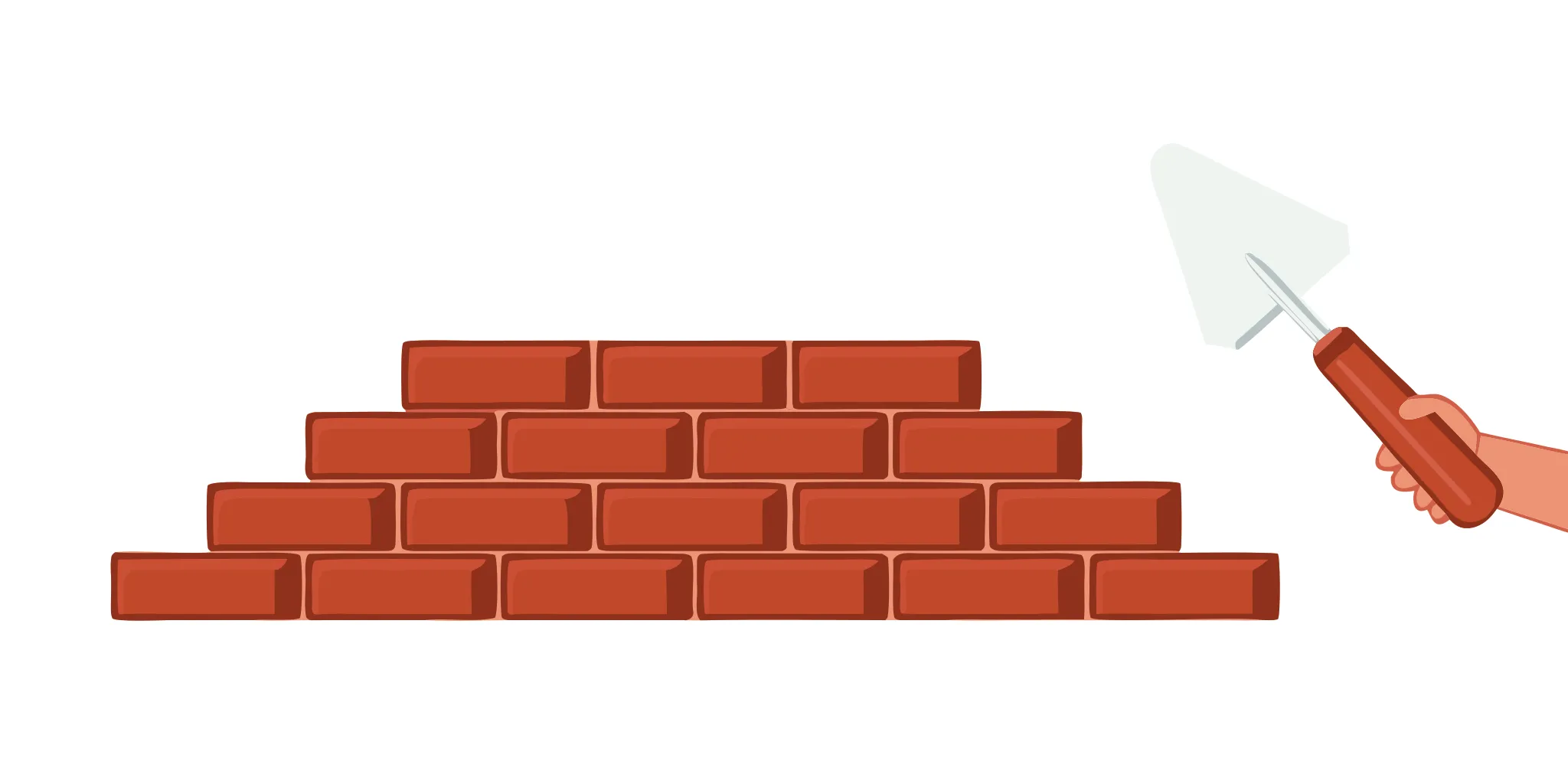
Which warning signs mean mortar joints need attention?
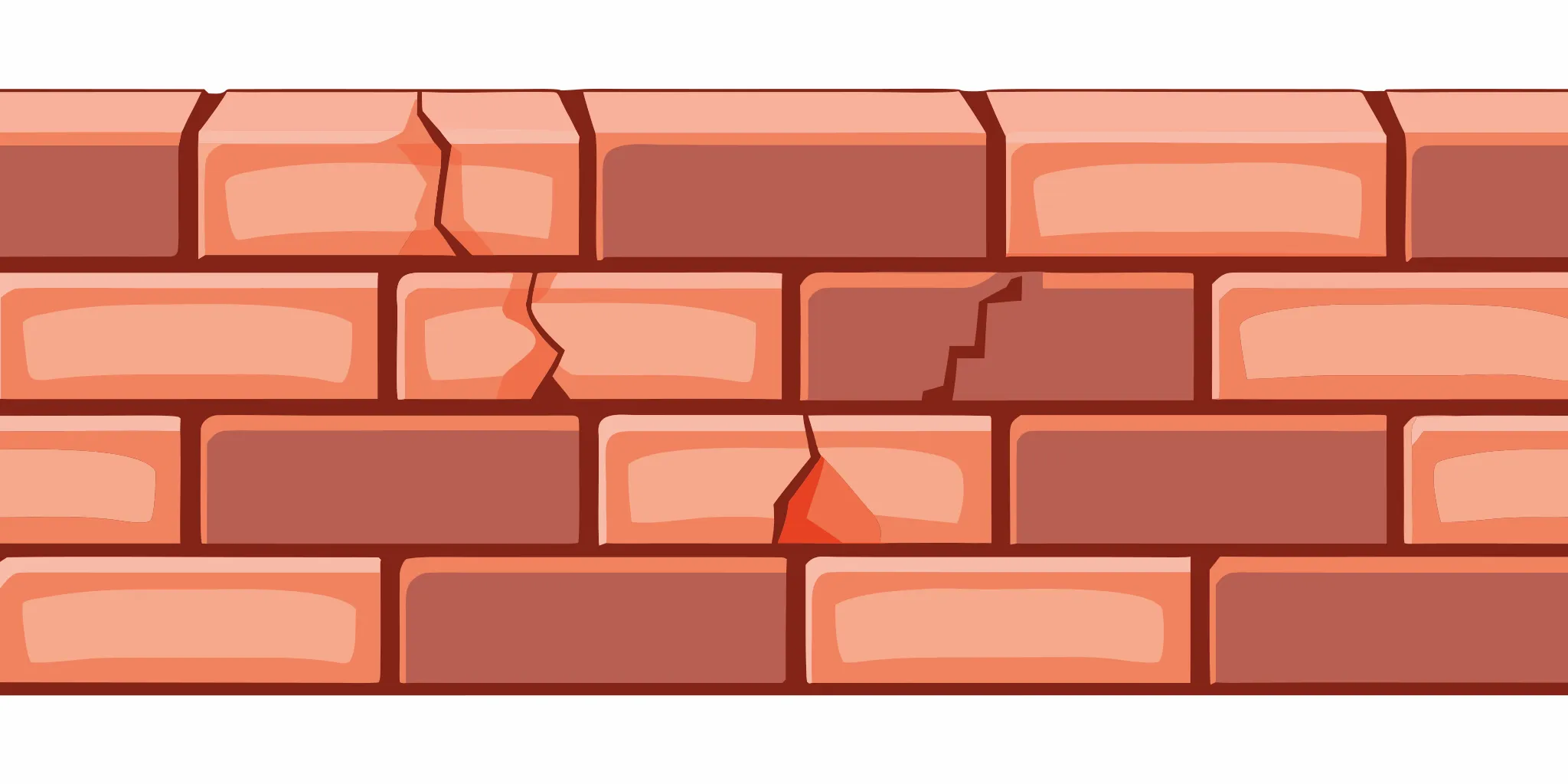
Masonry walls are strong, but they need care to last for many years. Homeowners in New Jersey should look at their brickwork once a year. This check helps find small problems before they become big repairs. Finding the right time for brick repointing vs tuckpointing starts with a look at the mortar joints. These joints are the weak part of any brick wall. They break down faster than the bricks. If you see signs of wear, it is time to act.
Finding signs of mortar wear
- Mortar flakes, crumbles, or turns to dust when touched.
- Visible gaps open between bricks and mortar joints.
- Cracks follow a stair-step pattern through the joints.
- Bricks show spalling, loose faces, or moisture staining.
One clear sign of trouble is crumbling mortar. Mortar cushions bricks and spreads the weight of the wall. Over time, rain and sun cause this material to turn to sand. If you can scrape the mortar away with a finger, the wall has lost its seal. You might see gaps where the mortar has pulled away from the brick. These holes let water enter the wall. When water gets in, it can freeze and grow. This leads to more damage to both the mortar and the bricks.
Cracks in the mortar are another red flag. Some cracks are small and on the surface. Others go deep into the joint. Step-like cracks that follow the mortar lines mean the wall is shifting. If the mortar is too hard, it can cause the bricks to crack. This is called spalling. It happens when water freezes and breaks pieces of the brick away. If you notice these common masonry repair issues, talk to an expert. They can tell if you need simple repairs to keep your home safe.
Water stains and salt buildup
Water is the main enemy of brick walls. When mortar joints fail, they let water soak into the wall. This leads to damp spots on the outside or inside of your home. If you see white, powdery stains on your bricks, this is called efflorescence. It happens when water moves through the bricks and leaves salts on the surface. While the white powder is not a big problem, it shows that water is moving through your wall. This is a sign that your joints no longer keep out the rain.
Moisture inside is a clear warning sign. If you find damp patches or peeling paint inside a brick wall, the outer joints are likely failing. Good masonry needs a weather-tight seal to protect the home from moisture. Without this seal, water can rot wood or cause mold. You might also see bad patches from past work. If old repairs are falling out, it means the job was not done right. Using the wrong mortar can cause new cracks to form fast.
Urgent triggers for structural repair
Some signs mean you need help right away. Loose or missing bricks are a big concern. If bricks move by hand, the wall has lost its strength. This often happens after years of mortar loss. At this stage, simple repointing may not be enough. You might need masonry repair services to rebuild parts of the wall. Checking your home for these signs helps you decide what work you need.
An expert check is best for any New Jersey home. Garden State Brickface & Siding has been helping NJ homeowners since 1953. Our family-owned business knows the local climate well. Our experts can tell the difference between a small crack and a deep failure. We check every joint to ensure your home stays dry. By catching these signs early, you can save money and keep your brickwork strong for decades.
Why mortar compatibility matters more than appearance
When you look at a brick wall, you might think the mortar just fills the gaps. Most people focus on the color or how neat the lines look. But the health of your wall depends on the mix of the mortar itself. Choosing a mortar that does not fit your bricks can lead to big problems. It can even cause your bricks to crack or break over time.
At Garden State Brickface & Siding, we have seen many homes with damaged brickwork. Often, the cause is a past repair that used the wrong mix. Since 1953, our family has helped NJ owners fix these common masonry repair issues. We know that the right mortar blend is the key to a wall that lasts for years.
The role of mortar strength
The top rule is that the mortar must be softer than the brick. Mortar acts like a cushion for the wall. It helps spread loads and allows for small movements in the build. If the mortar is too hard, it will not give when the wall shifts or grows. This puts too much stress on the bricks, which causes them to crack or pop off.
Many new repairs use Portland cement because it is strong and sets fast. But for many old homes in New Jersey, this mix is too stiff. Old bricks are often softer than the ones made today. They need lime-based mortar that can flex without breaking the face of the brick. Using a hard mix on a soft brick is a bad idea. It leads to spalling, which is when the face of the brick flakes away.
How water flows through the wall
Water is the biggest threat to a brick wall. Mortar joints are the most weak parts of your home’s outside. They must let damp air and water escape. If water gets trapped behind a hard, tight mortar, it has nowhere to go. This is a big risk during New Jersey winters. When that water freezes, it grows in size and rips the masonry apart from the inside.
Good repointing makes the wall tight to the weather but still lets it “breathe.” This restores the health of the joints and keeps your home dry. In the debate of brick repointing vs tuckpointing, both tasks need a good mortar mix. Without it, even the most pretty joint will fail in a few years. You need an expert team that can check your old mortar and find a match for it.
Matching color and texture
Once the strength of the mortar is set, you can think about the look. A good repair should blend in with the rest of the wall. This means matching the color and the grain of the sand. If the new joints are a different shade, the whole wall will look patchy. This can hurt the curb appeal and the price of your home.
In tuckpointing, matching the base mortar to the brick is key. This creates the clean, sharp lines that make the brickwork look new. Our masonry repair services focus on both the health and the style of your home. We use our 70 years of work to find the best match for your bricks. This ensures your home stays safe, dry, and looks its best for a long time.
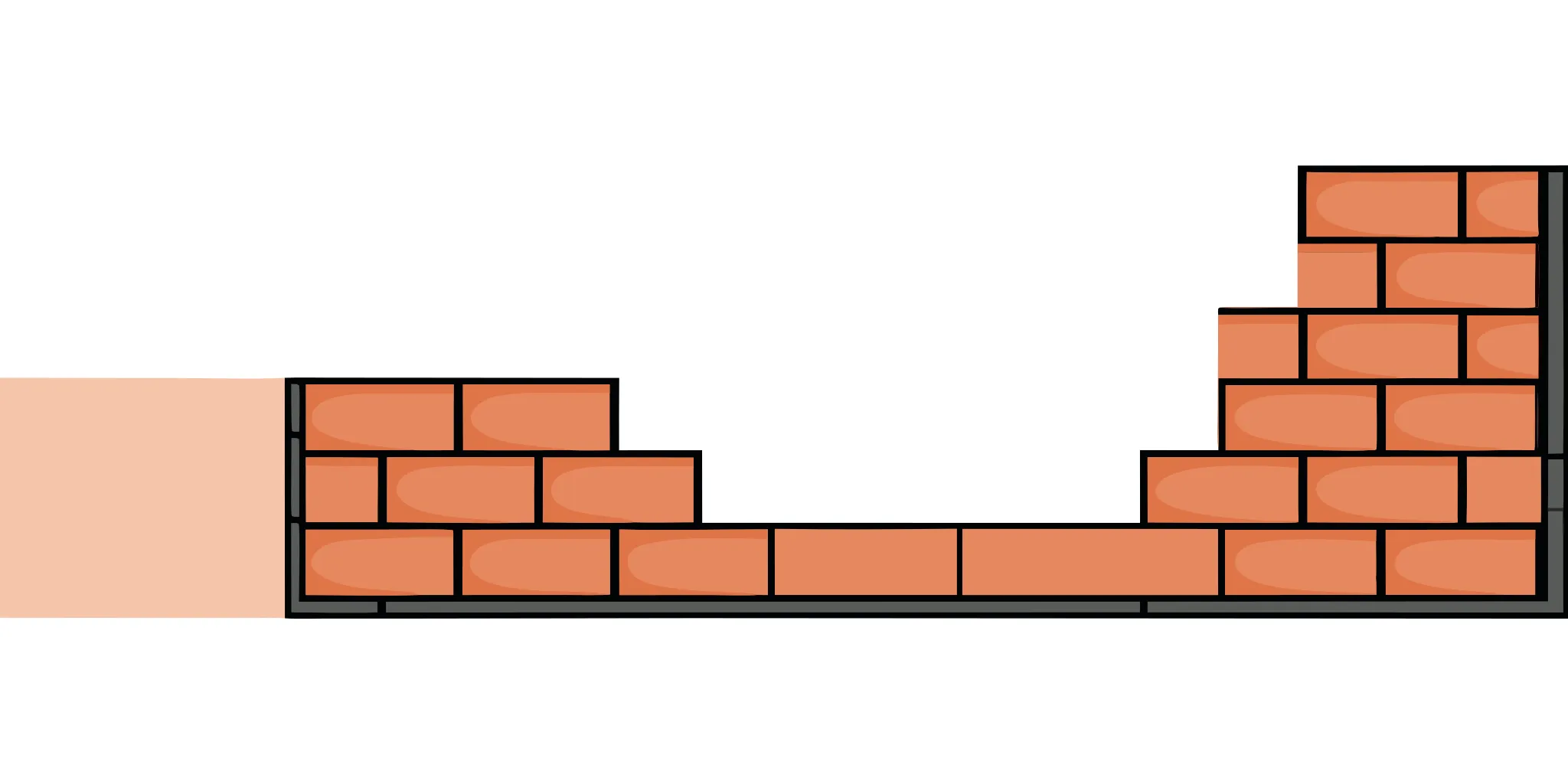
How New Jersey freeze-thaw cycles affect brick joints
New Jersey homes face tough weather all year long. Our state sees heavy rain, deep snow, and fast swings in the air. These changes put a lot of stress on your brick walls. Over time, the wet and cold cycles can cause common masonry repair issues that weaken your home. Knowing why this happens is the first step to keeping your house safe and dry.
The physics of freeze-thaw stress
Brick joints are very prone to water damage. Brick is porous, which means it can soak up water like a sponge. When rain or melting snow sits on your walls, it finds its way into tiny cracks in the mortar. This is a natural part of mortar deterioration that happens to most buildings as they age. But in New Jersey, the real trouble starts when the cold sets in.
When water turns to ice, it grows in size. This growth pushes against the brick and the mortar from the inside. This force can cause the mortar to break apart or crumble over time. It can even lead to brick spalling, where the face of the brick chips off. Once the mortar fails, even more water can get in. This cycle repeats many times during a common winter, making the damage worse each week.
When to check your masonry joints
You should check your brick walls at least once a year. The best time for this is right after winter ends. Look for signs of mortar loss, cracks, or deep holes in the joints. If you see sand-like dust at the base of your walls, your mortar may be failing. Catching these problems early can save you from big repair bills later. A small crack today can turn into a major leak by next year.
Yearly checks help you stay ahead of the weather. During your walk around, look for any bricks that seem loose or shifted. These are red flags that the wall is losing its strength. Garden State Brickface has been helping local families with these checks since 1953. Our experts know exactly what to look for after a long North Jersey winter. We can help you find small voids before they let water reach your interior walls.
Choosing brick repointing vs tuckpointing for repairs
If you find damage, you need to decide on the best fix. Two common choices are brick repointing vs tuckpointing. Repointing is the process of removing old mortar and adding new, strong mix. This restores the weather-tight seal of your wall. It is the best way to stop water from getting back into the joints. This work keeps your home dry and stops further decay from the freeze-thaw cycle.
Tuckpointing is not quite the same because it adds a focus on style. It uses two colors of mortar to make the joints look thin and neat. While it still fixes the joint, it also makes the brickwork look like new. Garden State Brickface uses expert tuckpointing services to handle both of these tasks. We make sure the new mix matches your home in both strength and look. This ensures your home stays safe for many years to come.
When should you request a professional masonry assessment?
You may see small cracks or loose bits of mortar in your brick walls. While some wear is normal, many signs point to a need for expert help. A professional masonry assessment can help you find small issues before they turn into big bills. In New Jersey, the local weather puts a lot of stress on brickwork. Finding the right fix for brick repointing vs tuckpointing starts with a close look at the whole structure.
Signs of wall damage
One of the most clear signs of trouble is a wall that bulges or bows. This often means the bond between the brick and the house has failed. You might also notice deep cracks that run through the bricks themselves, not just the mortar. Loose or missing bricks are also a major red flag that needs a fast fix. Proper care of these structures needs regular checks to keep the building safe and strong.
Worn out mortar can allow water to seep deep into your walls. When this water freezes and thaws, it expands and pushes the bricks apart. If you see white powder on your bricks, this is a sign of salt deposits from water. You should also check if your mortar is soft enough to scratch with a key or a nail. If the joints are more than half an inch deep, it is time to call a pro.
Moisture and chimney health
Water is the biggest enemy of any masonry wall. If you have damp spots inside your home or a musty smell in the basement, your brick joints might be the cause. These leaks can lead to mold and rot if you do not stop them. Some homes might need brick resurfacing if the damage is too wide for simple repairs. An expert can tell you if a new coat is better than fixing every joint.
Chimneys are often the first place to show signs of age. Since they stand above the roof, they take the full force of wind and rain. If your chimney looks tilted or has loose stone at the top, you need a check right away. A crumbling chimney is a safety risk that can damage your roof or hurt people on the ground. Experts can check the crown and the flue to make sure the whole system is safe.
Older buildings and mortar types
If your home was built before 1953, it may have old mortar made of lime. Modern cement-based mortar is much harder than these old types. If a previous owner used the wrong mortar, it can cause the old bricks to crack or flake. A pro will know which mix of sand and lime matches your home. They will help you choose between a structural fix or a decorative look to restore your walls.
You should also get a check if you do not know when the walls were last fixed. Most masonry needs work every 20 to 30 years to stay in top shape. Garden State Brickface & Siding is a family-owned business that has worked in NJ since 1953. Our teams can spot the subtle signs of age that most people miss. We provide the expert skill needed to keep your home beautiful and strong for decades to come.
Frequently Asked Questions
What are signs that brick needs repointing?
Look for cracks in the mortar or small holes in the joints. If you see mortar falling out or turning into dust, your wall needs help. Water can leak into these gaps and cause deep harm during cold months. As shown by research from Eastern Michigan University, bad joints let water soak into the masonry. This can break the bricks and make your home wall weak or unsafe over time.
Is tuckpointing more expensive than repointing?
Yes, tuckpointing often costs more than basic repointing. This is because it takes more time and care to finish. The worker must fix the joints first and then add a thin line of different mortar for a neat look. It is a high end finish used to make brickwork look sharp and clean. While it costs more now, it can add great value and curb appeal to your New Jersey home or local business building.
When should I choose repointing over tuckpointing?
Pick repointing if you want to fix the health of your wall without changing how it looks. This process stops leaks and keeps your home safe for many years. You only need tuckpointing if you want to give your house a high end look with thin, clean lines. Most homeowners choose repointing for basic repairs. Garden State Brickface offers free checks to help you pick the best path. Regular upkeep can help your brickwork last for many more decades.
What are common problems with tuckpointing?
One big risk is using the wrong type of mortar. If the new mix is too hard, it can crack your bricks as the house moves. This is why you need a pro to pick the right goods. As noted by the National Institutes of Health, good upkeep needs the right tools to keep walls strong. Poor work can also peel off if the brick was not cleaned well before the job started.
Ready to schedule a professional masonry inspection?
Leaving damaged brick mortar alone for too long leads to water leaks and high costs when winter hits. Freeze and thaw cycles will crack your walls if they are not strong enough to keep wet out. Acting now prevents small cracks from turning into a major rebuild. It also keeps your home safe for many years to come. Our family-owned crew has helped local homeowners since 1953 with expert care. We can help you pick the right way to fix your brick walls today to keep your home looking its best.
Ready to schedule a professional masonry inspection? Call 908-241-5900 to schedule your professional masonry inspection and get a free quote for your masonry repair services.