Best Windows for Noise Reduction: A Guide for NJ Homeowners
Constant street noise from a busy Jersey road can ruin your comfort and keep you awake at night. You do not have to live with these loud sounds inside your house. New windows can make your home peaceful again.
Call 908-241-5900 today to schedule your free window replacement consultation with Garden State Brickface & Siding!
The best windows for noise reduction use laminated glass, multiple panes, and tight seals to block sound waves. These units often use glass panes with different thicknesses and wide air gaps to stop various sound types. This smart design keeps your home quiet by stopping noise before it gets inside. The Environmental Protection Agency states that noise control involves reducing sound at the source and along its path. For most homeowners, high-quality double-pane or triple-pane units with laminated layers offer the best results. These features work together to stop vibrations from traffic and local construction. By choosing the right glass, you can create a much more comfortable living space for your family.
Best Windows For Noise Reduction: Understanding STC ratings for noise reduction in windows
Sound Transmission Class (STC) is the most common way to measure how well a window blocks noise. This rating uses a scale where a higher number means better sound control. For people living near busy roads or hubs like Newark airport, knowing these ratings is key to a quiet home. Using the best windows for noise reduction can help you reclaim your peace and quiet.
What is an STC rating?
The STC rating tells you how much sound a window can stop. Each point on the scale stands for a drop in decibels. For most people, a change of 3 decibels is the smallest change they can hear. Standard single-pane windows often have low ratings that let in most outdoor sounds. Modern windows with better tech can reach much higher scores to keep your rooms calm.
Dual-pane windows are common today. They use an air gap between two sheets of glass to act as a buffer. This gap slows down sound waves before they reach the inside of your house. To get even better results, some homeowners use laminated glass. This type of glass has a thin layer of plastic that helps dampen shaking. This setup is great for blocking high-frequency sounds like sirens or whistling wind.

How ratings help New Jersey homes
In New Jersey, traffic noise is a major concern for those near the Turnpike or Garden State Parkway. Outdoor noise levels in these areas often exceed 70 decibels. High-quality window replacement services can bring these levels down to under 35 decibels. This drop makes a huge change in how calm your living space feels throughout the day.
Studies show that simply closing a well-made window can cut noise by up to 18.8 decibels in high-traffic areas. This finding comes from research shared by the National Institutes of Health. For NJ families, this means less stress from the constant roar of cars and trucks. Good windows do more than just save energy. They create a wall against the hectic world outside your front door.
How to pick the best rating
When you shop for new windows, look for a rating that fits your needs. If you live on a quiet side street, a standard rating may be enough. But if you are near a train line or flight path, you will need more protection. Thicker glass is often better at blocking low-frequency sounds like the rumble of a heavy truck. Thinner glass may struggle with those deep shaking.
You should also think about the frames and seals. Even the best glass will fail if air can leak in around the edges. Professional installers ensure that every gap is sealed tight. This prevents noise from “leaking” into your home through small cracks. Combining thick glass, wide air gaps, and a tight seal is the best way to block out the area noise.
Laminated glass vs. thicker glass: what dampens noise best?
When you look for the best windows for noise reduction, you will likely see two main options. You can choose windows with thicker glass or windows with laminated glass. Both methods aim to stop sound from entering your home, but they use different physics to get results. While adding mass is a classic way to block noise, new ways offer a more precise way to quiet your living space.
Using thicker glass to block low sounds
A basic rule of sound is that mass blocks noise. Thicker glass is heavier, which makes it harder for sound waves to move the pane. This extra weight is very helpful for blocking low-pitch sounds. These include the deep rumble of truck engines or the low thrum of distant machines. If you live near a highway, having more mass in your glass can help keep those low rumbles out of your rooms.
However, just making glass thicker has limits. While it blocks low sounds well, it may not stop high-pitch noise as well. Also, very thick glass can make windows heavy and hard to open. Most homeowners find that mass alone is not enough to create a truly quiet home. You also need to think about how the glass vibrates when sound hits it.
How laminated glass stops vibrations
Laminated glass takes a different path to sound control. It consists of two layers of glass with a thin plastic layer between them. This center layer is often made of PVB. It acts as a cushion that helps to dampen sound vibrations as they pass through. This design is very good at blocking high-frequency noise like sirens, horns, or barking dogs. By soaking up these vibrations, the window prevents sound from “ringing” through the glass.
One major benefit of this type of glass is that it stops the coincidence effect. This effect happens when sound waves match the natural frequency of the glass, causing it to vibrate more. This can lead to noise passing through even thick panes. The plastic layer in laminated glass breaks this cycle. For those seeking professional NJ window installation, choosing laminated options can lead to a much calmer indoor space.
Combining techniques for quiet homes
The best windows for noise reduction often use a mix of mass and dampening. Many top windows use panes of two different thicknesses. This is called asymmetric glass. Using different sizes disrupts sound waves and keeps them from moving through the window. When you pair this with a laminated layer, you get protection against both low and high sounds. This full approach ensures your home stays quiet regardless of what is happening outside.
Studies show that high-quality windows can make a big difference in your health and comfort. Closing well-made windows can reduce indoor noise levels by a large margin. In some cases, noise can drop by nearly 19 dB when windows are closed in busy areas. For homeowners in New Jersey, choosing the right glass is the first step toward a more peaceful house. You can learn more about your choices by looking at window replacement services that focus on both sound and energy needs.
How asymmetrical glass thickness blocks outside sounds
Most standard windows use glass panes of the same thickness. While two panes block more noise than one, they often share the same resonance. This means both panes shake at the same rate when sound waves hit them, which lets certain noises pass through easily. Using asymmetrical glass thickness is a smart way to stop this and create the best windows for noise reduction in your home.
Breaking sound resonance
Sound travels in waves, and every object has a natural rate where it shakes the most. When a window has two matching panes, they both shake in sync. This “matching effect” creates a path for sound to move into your room. By using different sizes, like a 3/16-inch pane with a 1/8-inch pane, you change how each side reacts to noise. This asymmetric glass thickness breaks the resonance and makes it harder for sound waves to move through the glass.
Stopping different noises
Each size of glass is better at blocking specific types of noise. Thicker glass has more mass, which is often more effective at blocking lower-frequency sounds like the deep rumble of a heavy truck. Thinner glass may handle high sounds in a different way. When you mix these two sizes, the window can stop a wider range of noise at once. This mix helps keep your home quiet and calm, even if you live near a busy road or airport.
Benefits for New Jersey homes
In busy areas across New Jersey, cutting indoor noise is key for comfort and health. Research shows that noise exposure in homes is a major factor in health. Using windows with mixed glass thickness can bring indoor noise down a lot. Studies from the National Institutes of Health show that closing good windows can lower indoor noise by about 18.8 decibels. Choosing the right glass is the first step toward a quiet home.
Frame materials compared: is vinyl or composite better for quiet?
Choosing the right frame is a key part of finding the best windows for noise reduction. The frame must do more than just hold the glass in place. It needs to block sound waves from passing through the wall. Materials with more mass and better damping tend to work best for a quiet home. These materials stop the frame from shaking when loud sounds hit it.
Most experts look at how well a material absorbs sound rather than just how strong it is. A heavy frame acts as a shield against traffic or lawn mowers. But mass is only one part of the job. The design of the frame also helps to trap noise before it enters your room. Our window replacement services focus on frames that offer both strength and sound control.
The benefits of multi-chambered vinyl
Vinyl is a popular choice for many home owners in New Jersey. Modern vinyl frames use a multi-chambered design. These small air pockets inside the frame do two things. First, they help keep your home warm or cool. Second, they act as a maze for sound. As sound waves try to pass through the frame, they hit these chambers and lose energy.
This design helps to block noise by increasing the path sound must take. Vinyl is also less likely to shake than metal frames like aluminum. Because vinyl is a soft material, it absorbs shakes from the air. This makes it a great choice for areas near busy roads. Using many air pockets is a proven way to help bring indoor noise levels down to a quiet range.
High-density composite and wood
Composite frames are made from a mix of wood fibers and plastic. This blend creates a very dense material. High-density frames are great at blocking low-frequency sounds like the rumble of a heavy truck. Wood is also a natural sound dampener. For years, wood was the standard for high-end window units because of its mass and natural ability to stop noise.
Compared to aluminum, both wood and composite perform much better for sound insulation. Metal frames often carry sound like a tuning fork. They can shake and pass noise right into your home. Dense materials stop this ringing effect. Choosing a frame with high mass is a smart move when you live in a loud area. You want a material that stays still when sound waves hit it.
| Frame Material | Structural Density | Sound Damping | Key Acoustic Feature |
|---|---|---|---|
| Vinyl | Medium | High | Multi-chambered air pockets. |
| Composite | High | High | Dense wood-plastic blend. |
| Wood | High | Very High | Natural mass and fiber damping. |
| Aluminum | Low | Low | High sound travel. |
Structural stiffness and sealing
The stiffness of the window sash also plays a role in how quiet your home feels. A stiff sash is less likely to shake when loud noises occur. If the frame is too flexible, it can let sound leak through even if the glass is thick. Sturdy frames keep the glass held tight. This prevents the “ringing” effect that can happen with low-quality windows.
Even the best frame material will fail if there are air gaps around the edges. Proper sealing of window frames is needed to stop noise leakage. Tiny gaps let in air, and where air goes, sound follows. We use high-quality weatherstripping to create an airtight seal. This step is just as important as picking the right frame or glass. A tight fit ensures you get the full benefit of your new windows.
When you look for professional NJ window installation, ask about the frame build. You want a unit that combines mass with a smart internal design. This mix of features will give you the best results for a peaceful home. Proper setup ensures the frame sits flush against your home’s structure to block out every bit of unwanted noise.
Why airtight professional installation is vital for acoustic performance
Even high-quality glass cannot perform its best if air leaks are present around the frame or sash. For homeowners seeking the best windows for noise reduction, the seal is just as vital as the glass itself. Sound waves travel through air. This means even a tiny gap can allow loud noise to enter your home. Good sealing of window frames is needed for noise insulation. Gaps can let noise bypass the sound-dampening traits of your new windows.
The role of airtight seals
An airtight seal acts as a wall that stops noise from leaking into your living space. When windows are poorly fitted, they hurt the noise reduction gains of high-grade glass. Research shows that proper sealing of window frames is a key step to stop noise leaks. At Garden State Brickface and Siding, our in-house crews use careful methods to ensure every frame fits right. We use high-quality sealants and thick insulation to block the air paths that sound waves use to travel.
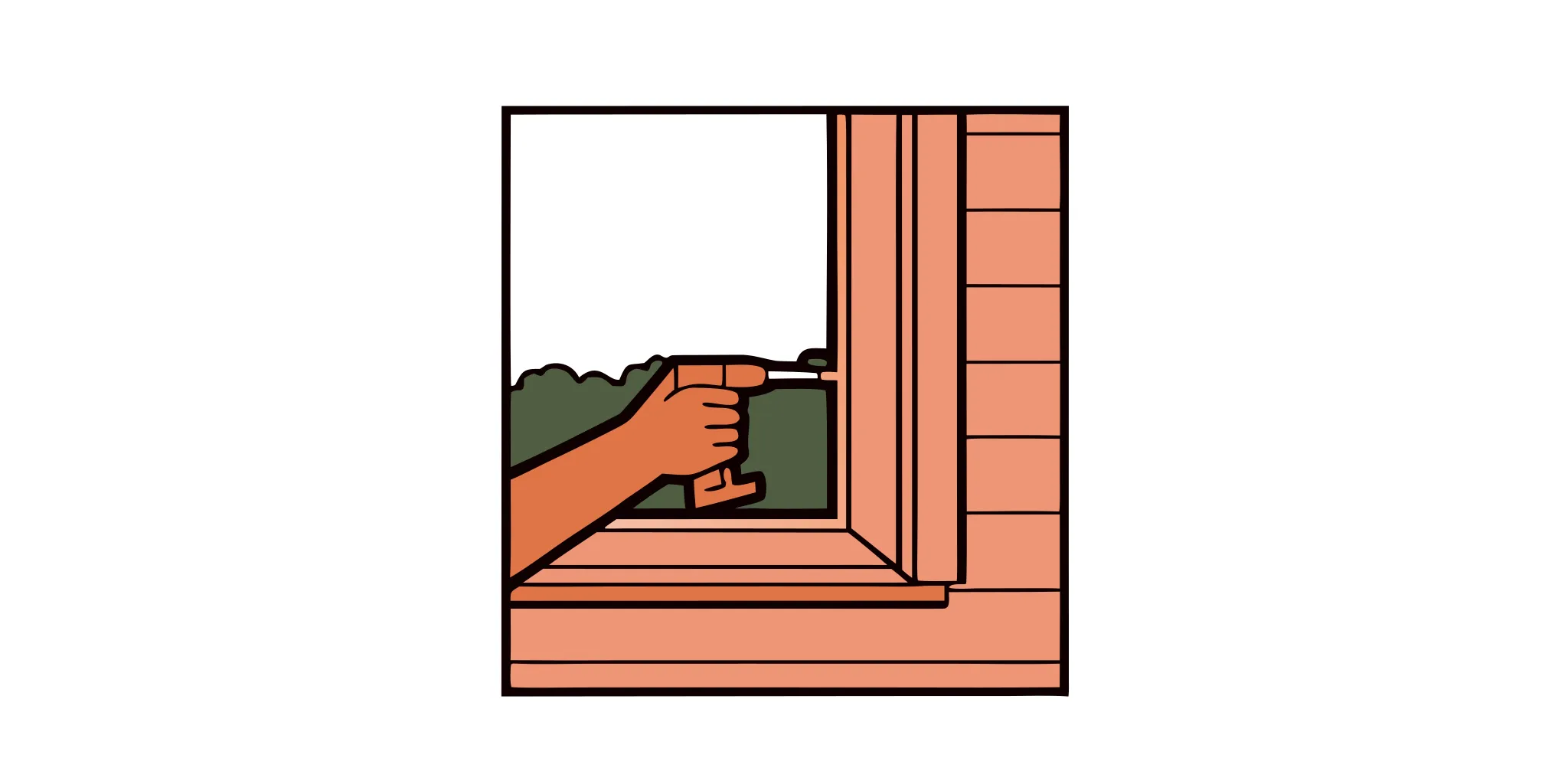
Precision installation techniques
To get a quiet home, installers must focus on both the frame and the wall. Our teams use many layers of protection. This includes weatherstripping and materials that stop vibration. The EPA states that vibration damping materials on frames help stop the sound that occurs when frames shake from outdoor noise. We also make sure the window sash is stiff and lined up well. Stiff sashes are less likely to shake and let sound through.
Expertise from a local heritage brand
Garden State Brickface and Siding has served New Jersey since 1953. With over 70 years of work as a family-owned firm, we know the needs of local homeowners. We do not use other workers. Instead, our own trained pros handle every window replacement service. This way, we keep total control of quality. We ensure every job meets our high rules for sound and heat performance. Our work is shown in over 200 five-star reviews from happy clients across the state.
Can you soundproof existing windows without replacing them?
You might wonder if you can block outside noise without the cost of new windows. The short answer is yes, you can take small steps to quiet a room. People in busy parts of New Jersey often try quick fixes like heavy rugs, thick drapes, or sound window inserts. These tools can help a bit. But they usually only muffle high sounds rather than blocking deep traffic rumbles.
Common quick fixes for window noise
If you are not ready for a full replacement, there are a few steps you can take to temporarily reduce noise in your home.
- Seal air gaps: Use fresh weatherstripping and acoustic caulk to seal cracks around the frames.
- Install window inserts: Press custom-fit acrylic or glass panels into the opening to create an extra air buffer.
- Hang heavy drapes: Use thick, sound-absorbing curtains or acoustic drapes to muffle high-frequency sounds.
- Apply soundproof window film: Place a special noise-reducing film directly on the glass to dampen minor vibrations.
- Install exterior storm windows: Add an extra layer of exterior glass to create another sound-blocking barrier.
- Rearrange furniture near windows: Place heavy bookshelves or upholstered furniture near windows to help absorb incoming sound.
Why DIY soundproofing often falls short
The main issue with these add-on tools is that they do not change the core of the window. Most old windows have single panes of glass that are very thin. Thin glass is not good at stopping sound. Even if you seal every crack, noise can still pass right through the glass itself. Research shows that closing windows can cut noise by about 18.8 dB. However, the type of glass sets how much quieter the room feels.
In high-noise areas, add-ons are usually just extra measures. They might make a small dent in the noise level, but they rarely solve the problem for good. If you live near a highway or a train line in Union or Essex County, you will likely still hear the traffic. The heavy thud of trucks can still get through. To get a truly quiet home, you need a way that fixes the glass and the frame at the same time.
The case for full window replacement
If you want the best results, window replacement services are the strongest path. New units use modern design to stop noise before it enters your home. The best windows for noise reduction often feature double or triple panes of glass with wide air gaps between them. These gaps act as a buffer to break up sound waves as they travel toward your living room.
You should also think about the style of the window you choose. Fixed windows are great for quiet because they do not have seams that open. If you need a window that opens, casement and double-hung styles are strong choices. These styles use vinyl frames with many chambers to add mass and strength. This extra mass helps block shakes and keeps your home peaceful, even in the heart of a busy New Jersey city.
Click here to explore our professional window replacement services or call 908-241-5900 to speak with our New Jersey experts today!
Frequently Asked Questions
What are the best windows for noise reduction?
The best windows for noise reduction use a mix of thick glass and laminated layers. Laminated glass uses a thin layer of plastic to help soak up sound vibrations. You should also look for windows with two panes that have different sizes. This design stops noise from passing through the glass. According to the National Institutes of Health, closing well-made windows can cut indoor noise levels by nearly 19 decibels in high-traffic areas.
Do impact windows block noise?
Yes, impact windows are very good at blocking out noise. These windows use a layer of strong plastic between two panes of glass. This layer was made to stop flying objects during storms, but it also helps to dampen sound. This design is very helpful for stopping high-pitch noise like car horns or sirens. Impact windows often reach high STC scores. This makes them a top choice for families living in busy New Jersey areas.
Does triple-pane glass reduce noise better than double-pane?
Triple-pane glass is great for saving energy, but it may not be better for sound. The extra pane of glass adds more mass, which can help a little. However, the small air gaps in triple-pane units can sometimes pass noise more easily than a single large gap. According to Garden State Brickface and Siding, the sound benefit of triple-pane over double-pane is often small. Most homeowners find that laminated double-pane windows work better for a quiet house.
What STC rating do I need for a quiet home?
For a quiet home, you should look for windows with an STC rating of 34 or higher. Standard windows often have low scores that let in most outdoor sounds. A rating in the mid-30s can block out common neighborhood noise like lawn mowers or barking dogs. If you live near a highway, you may need a score above 40. High-quality window replacement services can help you find the right score for your specific home and area.
Ready to block out noise with better windows?
Loud street noise is hard on your mood and your sleep. Old windows let in sounds that break your peace at home. If you do not act now, these sounds will keep hurting your home life and your health. They may even lower the resale value of your house over time. You can visit our window services page to learn more about how we block out the sound of the city. Starting your window project this week means you can enjoy a quiet house in just a few short weeks. Our crew has spent seventy years helping New Jersey families find the right fit to stop the noise. We know how to pick the best glass so you can finally rest in peace.
Ready to schedule? Call 908-241-5900 to schedule a free window consultation.