Signs You Need Window Replacement in New Jersey
Drafty rooms and high utility bills usually signal that your home’s windows have reached their limit. These small leaks can lead to big costs over time. You should not ignore fogged glass or frames that are hard to move.
Schedule a professional replacement window consultation to have your measurements, frame condition, and options confirmed before ordering.
Signs you need window replacement include rot you can see, trouble opening them, and a clear rise in your monthly energy costs. Most windows last about fifteen to twenty years before the seals fail. When you see water between the glass or feel a chill near the sill, your windows are failing. Replacing these old units can fix these issues and improve how your house uses heat. In fact, heat loss through windows can make up about 25% to 30% of home energy use in many houses. New windows use double or triple glass and special gas fills to keep your rooms comfortable all year long. Replacing them now helps lower your bills and keeps your family safe.
How Do I Know If My Windows Need Replacing? (The Quick Checklist)
Your windows do more than just let in light. They act as a shield against the weather and help keep your home safe. Over time, even the best units can wear out. They lose their power to protect your house. If you start to notice cold spots or high bills, it might be time to look for signs you need window replacement. Knowing what to check can help you catch small problems. This saves you from big costs like water damage or safety risks later on.
The U.S. Department of Energy says that windows play a big part in your bills. Heat gain and loss through glass can cause 25% to 30% of home energy use. This is true for both heating and cooling. Old windows are not just a style issue. They drain your wallet. If your home feels cold even when the sashes are shut, the seals have likely failed. Getting expert window replacement services can stop these leaks. It makes your rooms much more pleasant to live in.
Drafts and high energy costs
A drafty home is a common sign of window failure. You might feel a chill when you stand near the glass in the winter. In the summer, the area near the window might feel much hotter than the rest of the room. This happens when the frame warps or the seals break down. When air leaks out, your HVAC system has to work harder. This extra work shows up as a jump in your monthly power bills.
High costs are a clear signal that your home is losing heat or cool air. If your bills keep rising but you have not changed your habits, check your windows. Modern units use new tech like low-e glass to block heat. If your current windows are more than 20 years old, they likely lack these features. Thinking about upgrading to energy-efficient windows can help lower your bills. It also protects your home from the New Jersey weather.
Condensation and clear damage
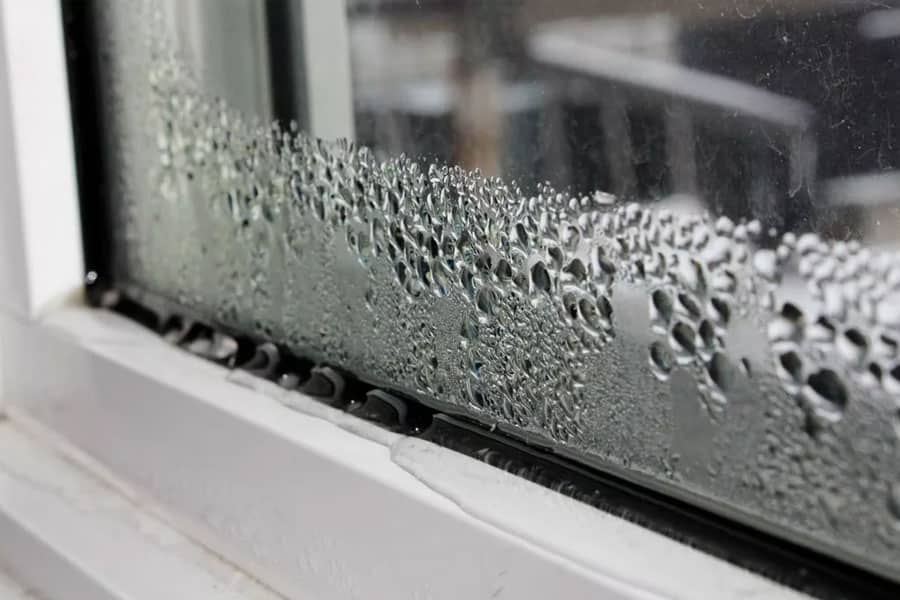
Check the glass for fog or water drops between the panes. This condensation means the airtight seal has failed. Most double-pane windows use special gas to slow down heat flow. Once the seal breaks, that gas leaks out and damp air gets in. You cannot fix a failed seal. The only real way to get back your home savings is to replace the whole window unit.
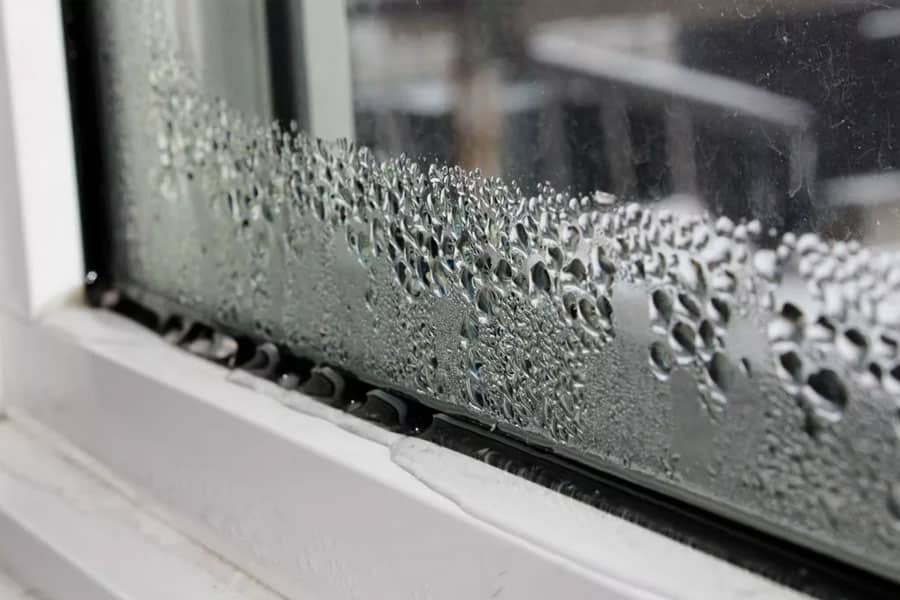
You should also look for damage to the frames. Wood frames can rot if they are not kept up. Soft spots in the wood or peeling paint are red flags. For older homes built before 1978, old windows can even be a health risk. Research shows that replacing old windows can reduce lead risks for kids. It removes lead-based paint from the sashes and frames. Watching the state of your frames is vital for safety and home value.
Trouble with daily use
Windows should open and close with ease. If you have to fight with a sash to move it, something is wrong. Frames can swell or warp over time from moisture. This can make the window stick or lock in place. A window that will not open is a major fire safety risk. It also makes it hard to air out your home on nice days.
Check the locks and latches as well. Parts that do not line up or are hard to turn suggest the window is out of shape. Sometimes, layers of old paint can also gunk up the tracks. If cleaning and oiling the parts does not help, the frame may be the issue. New windows offer smooth use and better locks to keep your family safe.
- Energy bills: Monthly costs are much higher than they used to be.
- Drafts: You can feel air moving near the glass or frame.
- Seal failure: Fog or water is stuck between the two panes of glass.
- Frame rot: Wood frames feel soft or show signs of mold.
- Stuck sashes: The window is hard to open, close, or lock.
- Noise: You can hear outside cars as if the window were open.
- Fading: Rugs or chairs near the window are losing their color.
How New Jersey weather exposes failing windows
New Jersey homeowners face many types of weather. From cold winters in North Jersey to hot summers, these shifts put stress on your home. Old windows often fail under these forces. If you feel a breeze or see your bills rise, the local climate may be showing you signs you need window replacement before the next season starts.
Winter drafts and cold glass
In the winter, your windows are the main shield against the cold. Old frames can warp and pull away from your home. This creates small gaps that let cold air inside. You might notice uncomfortable drafts near your sills or feel that the glass is cold to the touch. These air leaks make your furnace work harder to keep your rooms warm.
Heat loss through your windows can cause a big jump in your heating costs. In fact, windows can account for 25% to 30% of energy use for heating and cooling in a home. In New Jersey, where winter temps often drop below freezing, these leaks can cost you a lot of money over a single season.
Summer heat and HVAC strain
When the summer sun hits your glass, it can turn your home into a greenhouse. This is called solar heat gain. Without a good shield, your air unit must run all day to keep up. Modern units use argon or krypton gas between the panes to block this heat. If your current windows have only one pane, they cannot stop the Jersey heat from entering your living space.
You may find that some rooms stay much hotter than others. This often happens in rooms where the sun is strongest. If your cooling bills stay high despite repairs to your HVAC, your windows are likely the cause. Upgrading to glass with special coatings can help keep your home cool and save you money on power bills.
Freeze-thaw cycles and seal failure
New Jersey often goes through quick freeze and thaw cycles. This causes materials to grow and shrink. Over time, this movement can break the seals on double-pane windows. A broken seal lets the gas escape and allows moist air inside. This leads to fog or condensation between the glass that you cannot wipe away.
Wet weather also brings the risk of rot. Wood frames that are not kept up can soak up water during heavy rain. If this water freezes, it can crack the frame or the glass. Check your sills for soft spots or signs of mold. If you find rot or damage to the frame, it is a clear sign that the window can no longer protect your home from the rain and wind.
Should you repair or replace your windows?
Choosing between a fix and a full change can be hard for any home owner. Small issues like a loose lock or a bit of old caulk are easy to handle. But big problems often mean your home is losing heat and money. You must look at the age and state of the frame to make the right choice.
Spotting the signs you need window replacement
There are many signs you need window replacement that you can find on your own. One common sign is when a window gets hard to open or close. This often happens because the frame has warped or the gear has failed. You might also feel cold air coming through even when the window is shut. These drafts show that the unit no longer keeps your home tight.
Broken glass or a single failed sash can sometimes be fixed. But if you see fog or water between the glass panes, the seal is gone. This seal fail means the gas that helps with heat loss has leaked out. At this point, the window can no longer do its job well. You should look for expert window replacement services to get a lasting fix.
| Window Issue | When to Repair | When to Replace |
|---|---|---|
| Sticky hardware | Oil or part swap | If frame is warped |
| Drafts and leaks | New caulk or tape | If unit is old |
| Cloudy glass | Not a good fix | Seal is broken |
| Rotted wood frames | Small surface spots | Deep or big rot |
| Single pane glass | If frame is solid | To save on heat bills |
The cost of waiting to upgrade
Fixing old units may save money now, but it can cost more later. Old windows are often the cause of 25% to 30% of heat gain or loss in a home. This fact comes from data shared by the U.S. Department of Energy. By keeping old units, you may pay much more for heating and cooling each month.
Newer units use better tech to keep your house comfy. They have double or triple glass and special gas fills. These features help keep your home at a steady heat. New windows also help remove old paint that might have lead. This is a big plus for home safety and your health.
Choosing the right path for your home
If your windows are over 20 years old, a full change is often best. Most vinyl units last about 20 to 25 years before they start to fail. While you can paint or seal wood frames to help them last, they will still age. It is best to have an expert check your frames to see which path is right for you.
You may find that fixing one or two spots helps for a short time. But if each room feels drafty, a full set of modern energy-saving windows is a better plan. This move adds value to your NJ home and makes it look great. Our team can help you find the best style and fit for your needs.
What Can Modern Energy-Efficient Windows Improve?
Updating your home with modern energy-efficient windows does more than just lower your monthly bills. Old windows with single-pane glass often let out too much heat during the winter and let in too much sun in the summer. Modern units use double or triple glazing to create a strong barrier. Based on data from the Department of Energy, heat gain and loss through windows cause about 25% to 30% of home energy use. New windows help keep your home at a steady temperature all year long.
Better indoor comfort and quiet
Drafty windows are one of the most common signs you need window replacement in your home. When seals fail, air leaks in, making some rooms feel colder than others. Energy-saving windows use argon or krypton gas between the glass panes to block this air flow. This gas fill acts as an extra layer of insulation that keeps drafts out. These same layers also help block outside noise. If you live near a busy road in New Jersey, new windows can make your living space much quieter.
Protection for your home interior
Sunlight can damage your floors, rugs, and furniture over time. Standard glass lets in UV rays that cause colors to fade and materials to break down. Modern windows feature low-emissivity (low-e) coatings. These special treatments help control heat gain while still letting in plenty of light. They act like a filter that protects your home from the sun. Choosing the right window material like vinyl or fiberglass also ensures the frames won’t rot or warp from the sun or rain.
Easier operation and better safety
Older windows often become hard to open or close as the house settles or the frames wear out. This is not just annoying; it can be a safety risk if you need to get out fast. Good replacement windows are made for smooth, easy use. They also come with better locks and strong frames to keep your home safe. In older homes, replacing parts can even help reduce lead exposure if the old paint has lead. New windows give you peace of mind that your home is both safe and works well.
How Do I Complete a Window Replacement Checklist?
You can find many signs you need window replacement on your own. A home walk-through helps you spot small issues before they grow. This guide shows you how to check your home for common window problems. Taking the time to look at every room will help you know if it is time for a change.
Check each room for drafts and high bills
Air leaks can make your home feel cold and raise your bills. Stand near each window and feel for air movement on a windy day. You can also use a small piece of tissue paper to see if it moves near the frame. Heat gain and loss through glass can account for 30 percent of your energy use at home. If you feel a breeze, your seals may be worn out or broken.
Keep a close eye on your monthly energy bills from the last year. If you see a steady rise in costs but your habits have not changed, your windows may be to blame. High energy bills are a common sign of failing windows that let heat escape. Compare your winter and summer bills to see if they spike during extreme weather. New units with modern features can help lower these monthly costs.
Test window operation and safety
Go to every room and open each window to test the parts. It should move easily without sticking or making loud noise. If you have to force a sash to open, the frame or the springs may be failing. Steady trouble with opening or closing is a clear sign that you need new windows soon. Parts that are hard to use can also be a safety risk during a fire.
Also, make sure every lock fits tight and holds the window shut. A lock that does not line up might mean the frame has warped or shifted. This can happen with old wood or low-quality vinyl over many years. A secure lock keeps your home safe and helps the window form a tight seal against the weather. If you find locks that do not work, mark them on your list for an expert to see.
Look for frame rot and seal failure
Check the glass for fog or water between the panes of your windows. This often means the seal has failed and the gas between the panes has leaked out. Most modern windows use argon or krypton gas to block heat. When the seal breaks, you lose that layer of protection. Fogged glass cannot be fixed and usually means you need a new unit.
Next, look at the frames for soft spots, peeling paint, or mold. Use a small tool to press on the wood and see if it feels soft or spongy. These are clear signs of rot or water damage that can hurt your home’s structure. Frame damage can also lead to pest issues like ants or termites. If you see wood that is falling apart, you should act fast to prevent more harm.
- Walk through every room of your house on a windy day.
- Test how easily each window opens and check that all locks work right.
- Look for fog between glass panes and search for rot on the frames.
- Compare your energy bills from the last year to find any strange spikes.
- Take photos of any damage or air leaks you find to show a contractor.
- Call for professional window replacement services to get a full estimate.
What Should You Expect From a Professional Window Evaluation?
A professional window evaluation is a full check-up for your home’s outside. It is much more than just a quick look at your glass. When you notice the signs you need window replacement, an expert can help you find the best fix. At Garden State Brickface and Siding, our family-owned team has served New Jersey since 1953. We use our own in-house crews to make sure every job is done right. A full review helps you see if you need a small repair or total professional window replacement services. We aim to give you clear facts so you can make the best choice for your home.
A deep look at your window openings
The first step in an expert check is a review of your current windows. An expert will look at the sashes and frames for rot or soft wood. They also hunt for air leaks that can lead to high energy bills. Heat gain and loss through windows cause about 25% to 30% of home energy use in the U.S. Our team tests how each unit works to see if it is hard to open. We also check for fog between glass panes. This fog shows that the seal has failed and the window cannot hold in heat.
Picking the right products for your home
If your windows are old or broken, you will need to pick new ones. We offer 11 types of windows to fit the style of your NJ home. An expert will show you materials like vinyl, wood, or stone veneer that work best for your needs. They will point out ENERGY STAR approved windows that save you money. You can use set NFRC ratings to compare how well different units keep out the cold. During this time, the expert takes exact sizes of every opening. This ensures your new windows fit tight and do not leak air.
Planning the work and final walk-through
Once you pick your windows, the expert sets a plan for the install. This plan covers how to keep your home safe and clean while the crew works. Our in-house teams use expert exterior renovation advice to get the best results. After the new units are in place, we run final checks on how they work. We test every lock and handle to make sure they are smooth. A final walk-through with you ensures that the work meets your needs. We want your new windows to keep your home warm and quiet for a long time.
Schedule a professional replacement window consultation to have your measurements, frame condition, and options confirmed before ordering.
Frequently Asked Questions
Does condensation inside the glass mean I need new windows?
Water droplets between the panes of a double-pane window usually mean the seal has failed. This allows the gas between the glass to leak out and moist air to get in. According to Thermal Windows, this type of damage cannot be fixed with a simple repair. You will likely need to replace the glass or the entire window to keep your home warm and dry.
Can high utility bills be a sign of failing windows?
Yes, old or leaky windows often lead to higher energy costs. Heat gain and loss through windows can account for up to 30 percent of home energy use according to the Department of Energy. If your bills rise while your habits stay the same, your windows may no longer provide a strong barrier. New energy-efficient models help lower these costs by keeping your home at a steady heat level.
Are rotted frames a reason for full window replacement?
Soft or rotting window frames are a major sign that the strength of your window is gone. This often happens to older wood frames that have not been sealed or painted in a long time. Rot allows moisture to enter your walls and can lead to mold or more damage. In most cases, you must replace the entire unit to ensure your home stays dry and safe from the wind and rain.
How long do windows typically last?
Most home windows last between 15 and 50 years depending on the material and local weather. Vinyl windows often stay in good shape for about 20 years, while wood frames can last 30 years if you paint and seal them. According to Thermal Windows, manufacturers often suggest 20 years as a good time to check for failure. If your windows are older than this, they may need an upgrade.
Do my windows need to be replaced if they are hard to operate?
Windows that are difficult to open or close often have warped frames or failing hardware. This mechanical failure is a primary sign that a window has reached the end of its life. According to Pella, windows should move smoothly and stay in place without help. If you have to force your windows or they will not stay open, it is likely time for a full replacement to ensure home safety.
Ready to schedule a window replacement consultation?
Old, leaky windows let heat escape and cold air enter. This causes your power bills to rise while your home becomes less comfortable. Delaying this fix can lead to wood rot or mold that will cost more than our professional window replacement services would ever cost. You can count on our family team to help you find the right fit for your budget and your home style. If your project is a new build or addition, our guide to new construction windows in NJ walks through when a flanged installation is the better choice. Start your project now to stop the cycle of wasted money. Ensure that your property stays safe and quiet through the entire year.
Ready to schedule a window replacement consultation? Call 908-241-5900 to get a free consultation and start your home upgrade today.