Brick Efflorescence: Causes, Safe Removal & Prevention
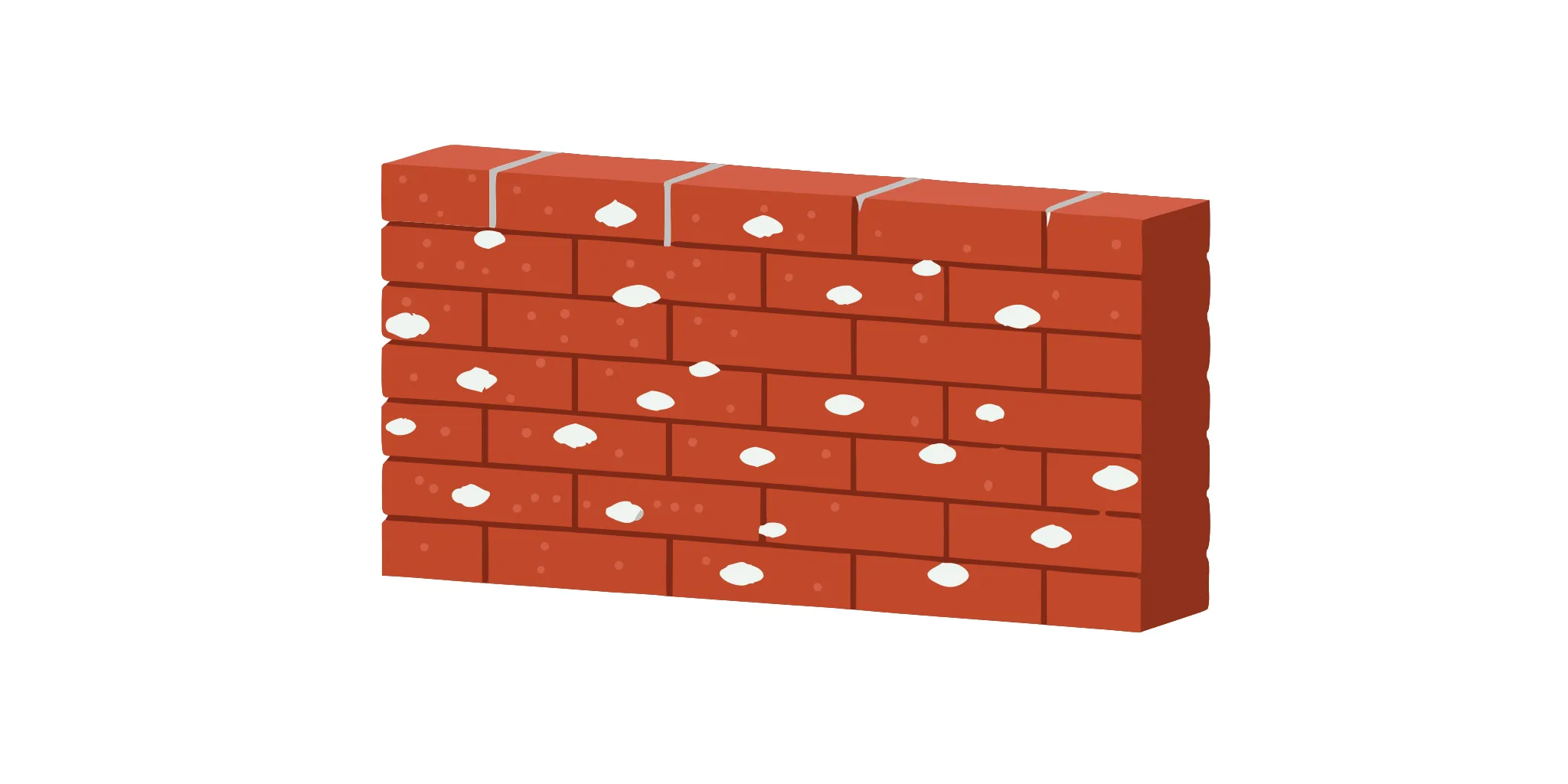
A thin white haze across your exterior brick walls, known as brick efflorescence, often appears after a heavy New Jersey rainstorm. This chalky film is not paint or mold but is actually salt drawn out of the clay. Watching these stains can help you find leaks before they hurt your home’s structure.
SCHEDULE A FREE ESTIMATE or call us today at 908-241-5900 to speak with a local masonry expert!
Brick efflorescence is a common white stain caused by salt that builds up on the surface of brick walls. These chalky patches appear when water enters the brick and breaks down natural salts found in the mortar or clay. As the water dries, it leaves behind a white powder that can range from a light haze to thick crusts. While these stains are usually just a surface issue, they serve as a warning that moisture is moving through your walls. According to the masonry experts at All Brick, this process needs salt, water, and a path to the surface. Learning about these stains is the first step in protecting your home from water damage and leaks.
New Jersey homeowners often worry when white streaks appear on their walls. Knowing more about what causes these white deposits can help you catch moisture issues before they turn into costly masonry failures. A clear understanding of your brickwork starts with knowing what causes these white deposits.
What Is Brick Efflorescence? Understanding the White Stains
You may see white stains or a powdery haze on your home. This common sight is known as brick efflorescence. It refers to salt deposits that form on porous building surfaces like brick. While the stains look like a chalky film, they are actually fine salt crystals left behind on the wall face.
The source of the white powder
These white marks are not paint or mold. They appear when water carrying salt moves through the brick and reaches the outer face. As the water evaporates into the air, the salt stays on the brick. This process creates the white haze or powder you see on many New Jersey homes. Most people notice it on chimneys or foundation walls where moisture is high.
Why it matters for your home
Efflorescence is mostly a visual issue. It does not usually mean your bricks are rotting. But it serves as a helpful warning sign for home owners. The presence of these salts shows that water is moving through your wall. If you see thick white stains, you may have a drainage issue or a leak. Expert care for brickface stucco and masonry can help you find the source of the water.
How salt moves through brick
Brick is a porous material, much like a hard sponge. It has tiny paths that let liquid soak in and travel. Water enters the brick through tiny holes or cracks. As it moves, it dissolves natural salts found in the clay or mortar. When that salt-laden water hits the dry air, it dries out. This leaves the salt on the surface where you can see it.
How to Tell the Difference: Salt Deposits vs. Mold and Damage
Finding white marks on your home exterior can be a worry. Many people in Central and Northern New Jersey often confuse brick efflorescence with mold or paint failure. While salt deposits are mostly a look issue, mold and structural damage need fast care. You can use simple checks to find the real problem before you start a fix.
Check the Color and Texture
Salt deposits usually look like a white powder or a thin haze on the brick surface. If you touch it, the powder will brush off easily. Mold, however, often looks fuzzy or slimy. It is usually green, black, or dark brown. Mold grows in damp, shady areas where air does not move well. If the mark feels sticky or does not brush off, it is likely not salt.
Paint failure also looks different from salt. Paint will peel or flake off in larger pieces. You might see the bare brick or old layers of paint underneath. Salt grows through the surface, while paint pulls away from it. If you see cracks or chips in the brick itself, you might have common masonry issues like spalling. This happens when the face of the brick breaks off due to deep moisture.
The Water Test for Salt
A quick way to find the cause is to use a spray bottle with water. When you spray water on salt deposits, they will often disappear or turn clear as they dissolve. They will show up again once the brick dries. Mold and paint flakes will stay visible even when they are wet. This test helps you know if you are dealing with salt or something else.
You should also look at the shape of the marks. Salt often follows the mortar lines or forms in large, patchy clouds. It shows where water is moving through the wall. Mold tends to grow in spots or blotches. If you see long, vertical cracks near the marks, you may have structural damage. This requires a professional check to ensure your home stays safe.
| Feature | Efflorescence | Mold or Mildew | Masonry Damage |
|---|---|---|---|
| Main Color. | White or light gray. | Green, black, or brown. | Red, orange, or gray. |
| Texture. | Dry and powdery. | Fuzzy, slimy, or damp. | Hard flakes or chips. |
| Water Test. | Dissolves when wet. | Stays visible. | Stays visible. |
| Risk Level. | Mostly cosmetic. | Health and rot risk. | Structural concern. |
| Common Cause. | Salt and evaporation. | Shade and moisture. | Freeze-thaw cycles. |
When to Call an Expert
While salt is not a direct threat to your home, it is a sign that water is present. Too much moisture can lead to bigger problems like wood rot or wet basements. If you see salt along with deep cracks, you should get a pro to look. Experts at Garden State Brickface & Siding have over 70 years of experience with masonry moisture migration and repair. We can help you find where the water is coming from and stop it.
The Three Triggers: What Causes Efflorescence on Brick?
For brick efflorescence to form, three specific factors must exist at the same time. If any one of these parts is missing, the white stains will not appear. Experts view these three elements as a chain: salt, water, and a porous path to the surface.
The source of soluble salts
The first trigger is the presence of soluble salts within the building materials. Most bricks and mortar contain small amounts of salt naturally. These minerals often stay hidden deep inside the wall until something moves them. According to the National Institute of Standards and Technology, water moves through the brick by capillary action and dissolves these salts. This process creates a liquid solution that carries the minerals toward the exterior of your home.
Moisture and water movement
Water is the second and most active trigger. Rain, leaks, or even high levels of humidity can provide the moisture needed to start the process. Salt efflorescence requires this water to act as a vehicle for the minerals. When water enters the porous brick, it picks up the salt and travels through tiny pores. This movement is why masonry experts often look for drainage issues or wall leaks when they find white powder on a building exterior.
Evaporation and salt deposits
The final trigger is the way water leaves the brick. As the salt-laden water reaches the surface, it meets the air and begins to dry. When the water evaporates, it leaves the solid salt crystals behind as a white haze. This stage often depends on the local weather and sun exposure. In some cases, primary efflorescence can show up within the first 72 hours after construction if there was too much moisture in the new mortar or brick.
How to Remove Efflorescence Safely Without Damaging Your Masonry
Cleaning white salt stains from your walls takes care. If you are too rough, you can hurt the face of your bricks. You want to get rid of the salt without wearing down the stone or mortar. Most experts say to start with the simple way first. This helps you avoid using harsh soaps or acids unless you need them.
You should look for the source of the water before you clean. If you do not stop the leak, the white haze will just come back. Salts move to the surface when moisture travels through the brick by capillary action. Once the water dries, it leaves the salt behind. Fixing common masonry issues like leaky pipes or bad drainage is the first step in a long term fix.
Try dry brushing first
Most salt stains are soft and dusty. You can often remove them with a stiff brush. Do not use a wire brush because metal can scratch the brick. It can also leave rust marks that are hard to fix. Use a nylon or plastic brush instead. Rub the wall when it is dry to knock the salts loose. This method is the safest way to clean because it uses no water and no acid. You should try this before you reach for a garden hose.

Use a mild cleaning mix
If the brush does not work, you may need a liquid cleaner. You can buy a pro brick soap at most home stores. Some people use a mix of white vinegar and water for small spots. For tough stains, experts use special cleaners made just for brick. Always test the cleaner on a small, hidden spot first. This helps you make sure it does not change the color of your wall. Trade pros say you must be careful to avoid brick damage when using these products.
Avoid high pressure washing
It is tempting to use a power washer to blast the white stains away. But too much force can strip the hard outer layer of the brick. Once that layer is gone, the brick will soak up even more water. This makes the salt problem worse over time. Keep the water pressure low. Use a wide spray tip to keep your brick walls safe. If you see deep cracks while you clean, you may need help repairing masonry joints to keep water out.
Rinse the wall well
After you use any soap, you must rinse the wall. Leftover soap can trap more dirt or salts on the face of the brick. Use a lot of fresh water to flush the pores of the stone. Start from the top of the wall and work your way down. This keeps the dirty water from staining the clean parts of the brick. Check the wall after it dries to see if any white haze remains. You may need to repeat the process for thick salt crusts.
Follow these steps to clean brick efflorescence safely:
- Check the weather and wait for a dry day to start your work.
- Use a stiff nylon brush to scrub the dry white powder off the wall.
- Mix your cleaning liquid as the label says or use a mild soap.
- Wet the bricks with plain water before you apply any cleaner.
- Apply the cleaner with a soft brush or a low pressure sprayer.
- Wait a few minutes for the cleaner to work but do not let it dry on the wall.
- Rinse the entire area with a garden hose until all the soap is gone.
How Can You Prevent Efflorescence from Returning?
Stopping brick efflorescence from coming back is all about one thing: water control. Since these white stains need moisture to form, you must manage how much water hits your masonry. Stopping this issue requires you to control water and stop it from soaking into the brick. This applies both during and after the building phase. At Garden State Brickface & Siding, we have spent over 70 years helping New Jersey homeowners protect their homes from the wet climate.
Control moisture at the source
The first step to keep your walls clean is to find where the water starts. Check your roof and gutters for leaks that might pour water onto the brick. Even small gaps in the mortar can let rain get deep into the wall. Fixing these leaks is a simple way to stop the salt from moving. Experts show that water moves into brick by capillary action. This brings salts to the surface as the water dries. You can read more about this process in research from the National Institute of Standards and Technology.
Improve site drainage and watering
Proper site drainage is a top way to reduce the water that leads to white stains. If the ground around your home stays wet, the brick will pull that moisture up from the soil. Make sure the land slopes away from your home so rain runs off quickly. You should also check your sprinkler heads. If they spray directly on your brick walls, they provide a steady supply of water for salt buildup. Adjusting your watering plan and where you aim your sprinklers can make a big change for your home.

Apply breathable protective coatings
Once you fix the leaks and drainage, you can add a layer of safety. We often suggest using exterior waterproofing options that use breathable sealers. These products act like a shield. They stop rain from getting in, but they still let trapped moisture escape as a vapor. If you use a sealer that is not breathable, you might trap water inside the brick. This can cause even more harm when it freezes. Choosing the right coating helps your masonry last longer and stay great for many years.
If you see white powder returning to your walls, it might be time for an expert look. Our team can find the root cause of the moisture. We help you set up a plan to stop it for good.
When to Call a Professional Masonry Contractor in New Jersey
Most brick efflorescence is harmless and only affects how your home looks. But some cases point to bigger issues that need a pro. If you see white stains that keep coming back after a wash, your walls may have a leak. This happens when water moves through the brick by capillary action and brings salts to the surface. Our team can find where that water comes from before it causes real harm to your house.
Watch for returning stains
You should call a masonry expert if the white powder stays for a long time. It is also a bad sign if the stains show up in new spots after a storm. This means moisture is stuck inside your brick walls. If left alone, this water can freeze and crack the brick during a cold New Jersey winter. We have seen these common masonry issues across Northern and Central New Jersey for over 70 years. Our family-owned business knows how the local salt and rain affect your home.
Check for structural wear
White stains are not the only thing to look for on the outside of your house. You should also check your mortar joints often. If the mortar is soft or falling out, the whole wall is at risk. Spalling is another big worry for homeowners. This is when the face of the brick starts to peel or flake off. These signs mean that water has started to break down the stone or brick material. A skilled worker can help fix these problems before they spread to your home’s wood frame or foundation.
Rely on local masonry experts
Since 1953, Garden State Brickface & Siding has helped people protect their homes. We use our own in-house crews to ensure the best work. We do not just clean the surface of the brick. We look at the whole wall to find the root cause of the moisture. Whether you live in Union, Essex, or Bergen County, we are here to help. Our team gives honest advice and a plan to fix your walls.
Frequently Asked Questions
Is brick efflorescence harmful to your health?
Brick efflorescence is not toxic or harmful to your health. It is simply a build up of salts that come from inside the brick or mortar. While the white powder looks like mold, it does not cause the same health risks as fungal growth. As stated by All-Brick, these stains are mostly a style issue. But the water that causes the salt to appear could lead to mold growth if you do not fix the source.
Does brick efflorescence go away on its own?
Efflorescence may fade for a short time when it rains, but the white stains often return. The salt stays on the surface of the brick after the water dries up. You will likely see the powder again until you stop the flow of water into the masonry. New brick walls may stop showing these salts after a few years once the inner salt is gone. For older walls, you must fix leaks or drainage issues to make the stains stop for good.
Can you paint over brick efflorescence?
You should never paint over these salt stains. The salt will push through the paint and cause it to peel or flake off quickly. This can trap water inside your wall and lead to more damage over time. You must clean the brick and stop the water source before you think about painting. Even then, you should use a breathable paint that lets water escape. Standard paint will often fail on surfaces that have a history of salt buildup.
Is efflorescence bad for brick walls?
The white powder itself is mostly a style issue and does not mean your wall will fall down. It is a sign that water is moving through the brick, which is common. If you ignore the problem for a long time, the salt can build up inside the brick and cause it to crack. This is called spalling. A study by NIST shows how water carries these salts to the surface. Fixing the water source now will help protect your wall from deep damage.
Leaving white salt stains alone lets water soak deep into your brick where it can freeze and cause your walls to crack and crumble over time. You can stop this decay and keep your home safe by finding the water source now before the next heavy rain hits and causes more damage. Taking care of the problem today means you avoid the high price of a full wall rebuild and keep your home looking its very best. Our family team has over 70 years of work helping New Jersey families protect their brick walls from moisture damage and stay strong for years.
Ready to protect your home? Call (908) 241-5900 to schedule a free masonry consultation and get an expert opinion on your repair needs today.