Does Homeowners Insurance Cover Roof Replacement?
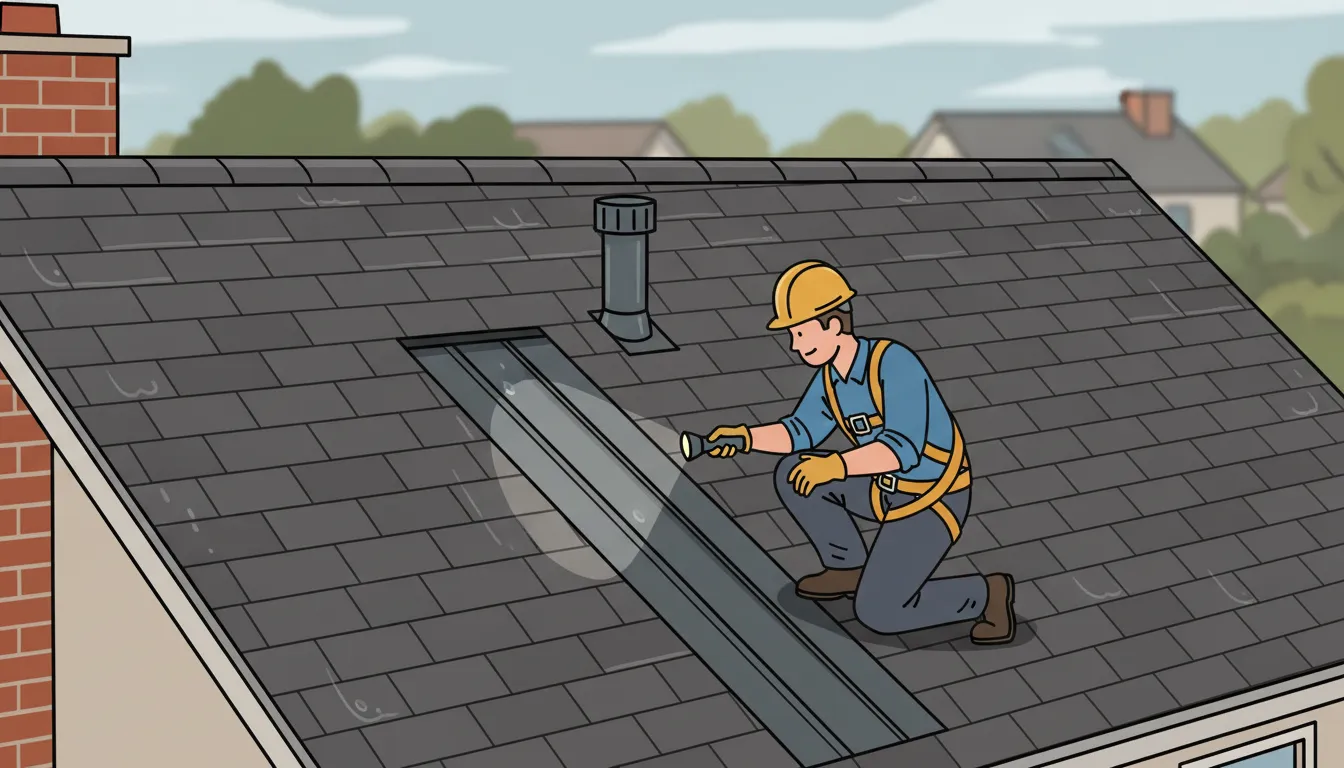
Most New Jersey homeowners insurance policies cover roof replacement after sudden and accidental events. This includes damage from fire, wind, or the heavy weight of winter ice. Knowing the difference between storm damage and normal wear is the key to getting a claim approved.
Schedule a professional New Jersey roof inspection to document storm damage and understand your replacement options before filing a claim.
Does homeowners insurance cover roof replacement? Coverage depends on the cause of the damage and the rules listed in your current New Jersey home insurance policy. Most plans cover replacement only if the damage is sudden and accidental, such as damage from fire, high wind, hail, or a fallen tree. These policies generally protect against sudden events rather than routine care or normal wear. Confirm whether your policy pays replacement cost or the roof’s depreciated value, and remember that only your insurer can decide coverage.
Does homeowners insurance cover roof replacement?
Yes, your home policy may pay for a new roof, but it depends on why you need it. Coverage usually kicks in for sudden and unplanned events. These are called “covered perils.” Top examples include fire, hail, and high winds. However, your policy is not a home repair plan. It will not pay for a roof that reached the end of its life. To understand your claim, you must look at your policy terms. Only your insurer can give you a final answer.
Coverage for sudden events
Most policies cover damage that is sudden and unplanned. This means the harm happened all at once from a clear cause. For example, a bad storm might rip off shingles or cause a tree to fall on your house. According to the Maryland Insurance Office, these clear causes often include wind, fire, and the weight of ice or snow. In New Jersey, heavy snow and summer storms can cause major issues. If these events damage your roof, you likely have a valid claim.
Exclusions for wear and aging
Insurance will not pay for every roof problem. Insurers expect you to take care of your home over time. This means they mostly deny claims for normal wear and tear or decay. If your roof is old and leaks because the parts are worn out, you will have to pay for the fix yourself. It is key to find repairable roof damage early. A quick check by an expert can show if your roof issues come from a storm or simple aging. If you ignore a leak and it gets worse, your insurer may say you neglected the roof. In that case, they may not pay for any of the damage.
How policy limits affect your payout
The amount of money you get depends on your policy type. Some people have Actual Cash Value (ACV) coverage. This type factors in the age of the roof. If your roof is old, the insurer will pay a lower amount. Others have Replacement Cost Value (RCV) coverage. This pays to replace the roof with new parts without taking money off for age. Knowing your type can help you get help with roof replacement costs without any surprises. You should also check your deductible, which is the part you pay before the insurer steps in.
| Cause of Damage | Common Coverage |
|---|---|
| Storms and High Winds | Usually Covered |
| Fire or Lightning Strikes | Usually Covered |
| Fallen Trees or Limbs | Usually Covered |
| Normal Wear and Tear | Not Covered |
| Ignored Roof Leaks | Not Covered |
| Poor Setup or Install | Not Covered |
When sudden damage may qualify for coverage
Sudden roof damage may qualify when it results from a covered peril such as wind, hail, fire, or a fallen tree. The insurer reviews the cause, timing, policy exclusions, deductible, and repair scope before deciding whether to pay for a repair or replacement.
Most home insurance plans protect your home against events that are both sudden and accidental. In the world of insurance, these events are often called covered perils. If a storm or fire hits your house, your plan may help pay for the fix. For New Jersey homeowners, this often means help after a severe storm or a fallen tree. Knowing how these rules work can help you when identifying repairable roof damage after a big event.
Common causes of sudden damage
High winds and hail are common causes of roof claims in New Jersey. Strong winds can lift shingles or toss debris onto your roof. Hail can crack or dent the roof surface, which leads to leaks. Your policy likely covers these issues unless it has a specific wind or hail exclusion. Other covered events usually include fire, lightning, and the weight of heavy snow or ice. You can find more details on these rules from the Maryland Insurance Administration website.
If a tree falls on your house during a gale, the damage is usually sudden and accidental. This often qualifies for coverage. However, your insurer will look at the cause. If the tree was dead and you did not cut it down, they might say it was a maintenance issue. They expect you to keep your property in good shape to prevent such risks. Taking care of your trees and roof is a key part of managing your roof replacement project over time.
Partial repairs versus full replacement
Insurance does not always pay for a whole new roof. If a small area has damage, your plan might only pay to fix that one spot. This is common when the rest of the roof is still in good health. If the damage covers a large area, your insurer may decide that a full roof replacement is the best choice. This choice often depends on whether the roof can still protect your home from water. You should check if you have replacement cost coverage or actual cash value coverage in your plan.
Replacement cost value pays for a new roof without taking off money for age. This helps homeowners get help with roof replacement costs when they need it most. Actual cash value only pays what the roof was worth right before the damage. This often means you get less money if your roof was old. Before you file a claim, it is wise to have a pro look at the damage. A skilled team can help you see if you have enough damage to ask your insurance for help.
Why roof age and maintenance affect a claim
Roof age and maintenance affect both eligibility and payment. Insurance generally does not cover normal wear, neglect, or an aging roof at the end of its useful life. An older covered roof may also receive an actual cash value payment after depreciation instead of full replacement cost.
The age of your roof plays a big part in how your insurance works. Most firms look at the state and age of the parts before they pay for a new roof. If your roof is old, it might change how much money you get back for a loss. It is vital to know how your plan handles these things before a storm hits.
Roof age and payout types
You should check your declarations page to see if you have replacement cost or actual cash value coverage. These are the two main ways a firm pays out for a claim. Replacement cost pays to fix or swap your roof with new parts. It does not take away money for how old the roof was at the time of the leak or storm.
Actual cash value is different because it factors in the age of the roof to set the price. This means the insurance company lowers the payout as the roof gets older. For an old roof, this might mean you get much less than the total cost of a full swap. You will need to find a way to pay for the rest of the bill on your own.
Some plans have special rules called endorsements that change your help as the roof gets older. For example, a roof over 15 years old might move from a full payout to a cash value payout. You can find these facts in the fine print of your policy files. It is best to go over these terms with your agent each year so you are not caught by surprise.
The need for regular care
Insurance is for sudden events, not for slow wear and tear. If you do not keep up with roof care, your claim could be denied. Firms expect you to fix small leaks and clean your gutters to stop big issues from starting. Most home plans do not pay for damage that comes from age or a lack of upkeep over time.
When you stay on top of small repairs, you can prove the roof was in good shape. This makes it much easier to show that a wind or hail storm caused the new damage. You can start by identifying repairable roof damage before it turns into a major loss. Small steps today help protect your home and make the claim process go faster.
Keeping a log of your roof work is also a smart move. If a claim comes up, you can show the adjuster that you took good care of the roof. This proof can help fight a denial based on neglect. A good log should include:
- Photos of the roof taken each year
- Receipts from past repair work
- A list of cleanings for gutters and drains
- Notes from a pro roof check
This shows you were a wise owner who cared for the property. It gives you the evidence you need to back up your claim if a storm hits.
Exclusions for neglect and poor work
Claims often fail if the damage came from neglect or bad work from a past job. If a past fix was done poorly, your current firm may not cover the new leak. They view these as faults that you should have fixed on your own. This is why using a pro team is vital for all your roofing services to ensure the job is done right.
Some policies also have rules about leaks that stay hidden for a long time. If a leak has been there for weeks or months, it may count as neglect. You must report storm damage fast to ensure your plan still covers the loss. Do not wait for the next big rain to check your attic for signs of water or mold.
Wait times can also affect your claim. Many firms have a limit on how long you can wait to file a claim after a storm. If you wait too long, they may say they cannot tell if the storm caused the leak. Be sure to look at your roof after every big NJ storm. Getting a pro to check it can help you find small cracks before they grow into big holes.
How deductibles and policy terms shape payment
When you ask, “does homeowners insurance cover roof replacement?” the answer often rests on your policy terms. Your contract is a legal bond. It sets the rules for how much the company pays. One of the first things to check is your deductible. This is the part you pay before the firm covers the rest. Most people have a flat dollar amount like one thousand dollars. You must have this cash ready before the work starts. This fee ensures you share the risk with the insurer.
Understanding your deductible
Your policy may have more than one deductible. Many plans use an All Other Perils (AOP) deductible for most claims. But for storms, you might have a specific wind or hail fee. This amount is often a percentage of your home’s value. If your house is worth four hundred thousand dollars and you have a two percent fee, you must pay eight thousand dollars first. This can change how you plan to get help with roof replacement costs. You should read your declarations page to see which fee applies to your loss. Some policies even have different rules for named storms versus common wind events.
Replacement Cost vs. Actual Cash Value
The way your insurer sets the payout is vital. Most owners have Replacement Cost Value (RCV). This pays to fix or swap the roof with new parts of like kind. It does not take out money for age. If you have Actual Cash Value (ACV), the math changes. The company takes out money for wear and tear. This is called depreciation. For an old roof, an ACV check might be small. It may not cover the full price of a new install. This means you might pay more out of your own pocket to get the job done right. Many older policies move from RCV to ACV as the roof hits a certain age.
Limits and inspection findings
Your plan also has a cap. This is the most the firm will pay for a loss. If the price to swap your roof goes over this cap, you pay the gap. Some people add extra coverage called endorsements. These can help with local building laws. For example, some towns in New Jersey may need you to add more vents or layers. A law and ordinance rider can cover these extra costs. Insurers also look at the state of your roof during an inspection. If a storm hits a roof that was already in poor shape, they might not pay the full claim. Maintenance is your job as the owner. Our team at Garden State Brickface & Siding provides expert roofing help to find what your project needs. We look at every detail to ensure your new roof meets all local rules.
What should you do after a New Jersey storm?
After a storm, protect people first, prevent additional damage when it is safe, photograph visible damage, and note the date and time. Then review your policy, arrange a professional inspection, save every receipt, and contact your insurer promptly to follow its claim instructions.
After a big storm hits New Jersey, you might see leaks or missing shingles. You may ask, does homeowners insurance cover roof replacement? You can get help with roof replacement costs when you file a claim. Most plans pay for sudden damage from wind or hail. But you must act fast to protect your home and your claim. New Jersey weather can be harsh. Cold gales and summer storms often cause fast damage that needs a quick fix. If you wait too long, your plan might not cover the full cost of a new roof.
Focus on safety first
Do not climb on your roof after a storm. It can be slick or weak. Shingles may be loose, and the wood under them might be soft from water. Stay on the ground and look for bits of roof in your yard. Look for small bits that look like sand near your downspouts. This is a sign that your shingles are worn. If you see a leak inside, put a bucket under it right away. This stops water from hitting your floors or walls. It also helps stop mold from growing in your attic.
Follow these post-storm steps
Handling a claim can feel hard. These steps get you ready for your plan. You need to show that the storm caused the harm. Call your agent as soon as you find damage. They will help you start the claim and tell you about your deductible. This is the cost you pay before the plan pays the rest.
- Check for safety first. Look for fallen power lines or broken glass. Do not touch any wires that have hit the ground. Stay away from leaning trees or large broken limbs.
- Take photos from the yard. Use your phone to snap shots of the roof and siding. These help with finding repairable roof damage for your claim. Clear photos are the best proof.
- Call your plan right away. Tell them about the damage you see. They will tell you how to file your claim and what forms you need.
- Call an expert for a check. Ask a local builder to look at your roof. They can find holes or cracks that you might miss. They will give you a report to show your agent.
- Save all your receipts. If you buy a tarp to stop a leak, keep the bill. Your plan may pay you back for these repairs. These are often called safety costs.
- Write down every talk. Keep a log of every call to your agent or the builder. Note the date and the name of the person you spoke with. This helps if there is a mix-up.
Work with a local expert
A local team knows how NJ storms hit homes in our towns. They can give you the notes you need for a new roof. This makes it easier to know if your plan covers the cost. They will check the whole roof to find all the storm harm. Our team at Garden State has worked in NJ for 70 years. We use our own in-house crews to make sure the work is top grade. We know how to find the root cause of a leak so it does not come back. Working with an expert helps you feel sure about your home again.
How a professional roof inspection supports your claim
A leak or a storm can leave you with many questions. You might wonder, does homeowners insurance cover roof replacement? The answer depends on your plan and the cause of the damage. For over 70 years, Garden State Brickface & Siding has helped owners in New Jersey with their outside needs.
We use in-house crews to check every part of your roof. Our team finds the facts that help your firm make a choice. A good check is the first step to get the help you need. We look for clues that a claim agent might miss during a quick walk.
Finding storm damage
Most plans cover damage that happens by chance. This includes fire, wind, and hail. It also covers the weight of ice or snow as shown by the Maryland Insurance Administration. A pro check finds these issues before they get worse.
We look for loose tiles, dents from hail, and cracks. These signs show the firm that the harm was sudden and not just from age. Our experts take clear photos of every spot we find. We want to show the full scope of the harm to your roof.
Giving a clear scope
Your firm needs to know the full cost to fix or swap the roof. We give a full list of what your home needs, which has parts and work costs. Our team makes sure the quote matches our roofing services. We show fully what it takes to make your home safe again.
If you have a plan that covers the full cost, the firm pays for new parts without taking money off for age. This is often called a replacement cost plan. We also check for harm you cannot see from the ground. This helps you avoid hidden costs that might pop up later.
Reports for the insurance firm
A clear report makes the claim move faster. We put all our notes in one file for you with photos of what we saw. We also list the items that need a fix. Our goal is to give you the truth about your roof’s health.
Some plans have a fee you must pay first, which is your deductible. The firm pays for the rest once you meet this cost. We help you see if the harm is big enough to file a claim. We do not want you to face shocks when the work starts.
- Detailed photos of wind and hail spots
- Full list of needed parts and work
- Proof that the harm was sudden and not from old age
- Helpful data for your claim agent
- Notes on any leaks or wood rot found
Frequently Asked Questions
Does homeowners insurance cover roof leaks?
Whether your policy covers a leak depends on what caused it. If a storm rips off shingles and water enters, your insurer likely pays for the fix. But if the leak comes from old parts or a lack of care, the claim may be denied. According to the Maryland Insurance Office, policies usually cover sudden losses but not slow decay. You should check your roof for leaks after every major storm to find damage early.
What happens if only part of my roof is damaged?
If a storm only harms one area, your insurer may only pay to fix that specific spot. They do not always pay for a whole new roof if a simple patch works. However, some policies have rules about matching colors and parts. If new shingles do not match the old ones, you might get more help. It is vital to find repairable roof damage with an expert check. They can show if a partial fix is safe for your home.
How do I know if my roof needs replacement or just a repair?
An expert check is the best way to tell if you need a new roof. Repairs work for small issues like a few loose shingles. But if the damage covers more than one-third of the roof, a full swap is often better. Large storms can also cause hidden harm to the structure. Getting an expert check helps you choose a professional roofing contractor who can give you a clear report. This report is key when you talk to your insurance firm.
Should I file a homeowners insurance claim for my roof?
You should only file a claim if the cost to fix the roof is higher than your deductible. If the repair is cheap, paying for it yourself may save you from a higher rate later. Before you call your insurer, get a free roof check from a pro. They can find out if the damage is from a storm or just age. This step helps you get help with roof replacement costs by knowing your options first.
Ready to schedule an expert New Jersey roof inspection?
Ignoring a small leak today can lead to big house issues and high repair costs since storms in New Jersey move fast. Waiting to file your insurance claim might make it hard to prove why the damage happened after the next storm hits. Act now to keep your home and family safe from the rot and mold that grows in wet spots and ruins wood. Our local crew knows how to spot hidden signs of wear that a claim agent might miss during a quick walk. You can check our roofing services to see how we help local owners protect their property and their budget. Taking this step now gives you a calm mind and keeps your project costs from rising as the cold weather moves in.
Ready to schedule a roof inspection? Call 908-241-5900 to talk to a roofing expert.