Why Exterior Paint Peels in NJ: Causes and Lasting Fixes
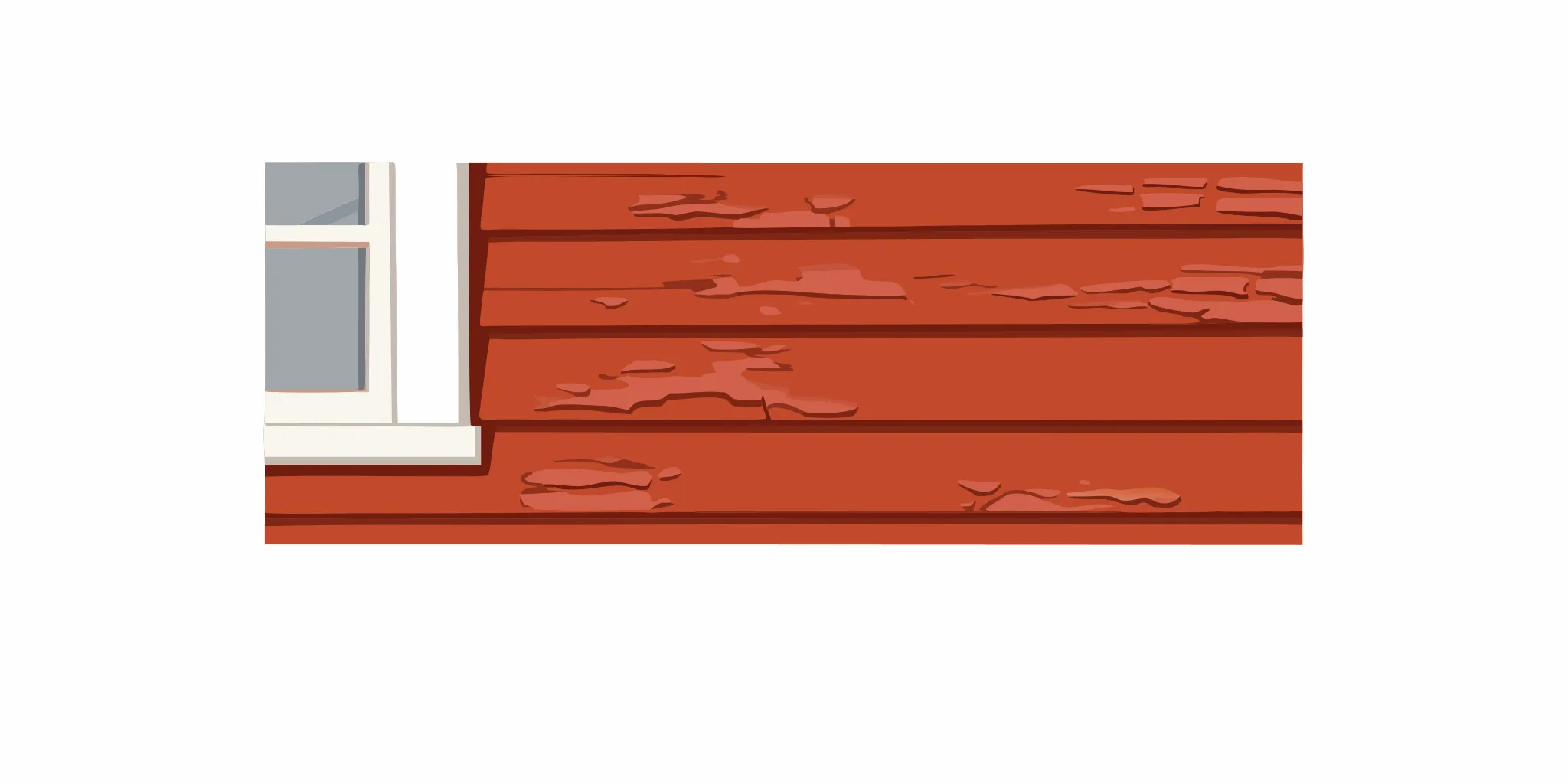
Paint peeling on your New Jersey home is more than a cosmetic problem. It is a message from your exterior that something underneath needs attention. Whether you see curling flakes on the trim, bubbling around window frames, or large patches of bare wood on the siding, the cause is not random. Understanding why exterior paint peels is the only way to fix it for good. A patch job hides the symptom. A lasting fix treats the root cause, and that starts with a professional inspection.
Schedule a free exterior inspection with Garden State Brickface and Siding to find out whether your peeling paint needs a repaint or a structural repair.
Exterior Paint Peeling: Why Does Exterior Paint Peel in New Jersey?
Paint peels when adhesion fails. The bond between the paint film and the surface beneath it breaks, and the coating lifts away. In New Jersey, the combination of humid summers, freezing winters, and frequent rain creates conditions that accelerate this failure faster than in milder climates. Five root causes account for nearly every case of exterior paint peeling on New Jersey homes: moisture intrusion, poor surface preparation, incompatible coatings, UV exposure, and freeze-thaw cycling.
A quick glance at the pattern of peeling tells you a lot. Paint that peels in large, curled sheets near the roofline or around gutters points to moisture. Spotty peeling on sun-baked south and west walls points to UV failure. Peeling that shows up within a year of a fresh paint job points to poor surface preparation or the wrong paint system. Each pattern demands a different response, and a professional contractor can identify the specific failure mode in minutes.
New Jersey homes face unique challenges because the state sits in climate zone 5, where temperatures range from below freezing in January to the mid-80s in July. That 100-degree annual swing places enormous stress on exterior coatings. Understanding your specific failure pattern is the first step toward a fix that lasts more than one season.
Moisture Intrusion: The Number One Cause of Paint Peeling
Water is paint’s worst enemy. When moisture gets trapped behind the paint film, the wood swells, the paint stretches, and the bond snaps. In New Jersey, moisture-driven peeling is especially common because our wet springs, humid summers, and freeze-thaw cycles push water through tiny cracks that would not cause problems in drier climates. This makes moisture the single most common trigger for exterior paint peeling across Central and Northern New Jersey.
Clogged Gutters and Ice Dams
Blocked gutters send water spilling over the edges and running down exterior walls. The water soaks into trim boards and seeps behind siding, lifting the paint from underneath. On north-facing rooflines, ice dams in winter trap water against the eaves for weeks at a time. Paint peeling in a horizontal band just below the roofline is almost always a gutter or ice dam problem, not a paint problem. Fix the gutter, and the paint stops peeling. Professional gutter installation and maintenance prevents this common failure point.
Failed Caulk and Trim Gaps
Caulk around windows, doors, and corner boards dries out and cracks over time. Once the seal breaks, rainwater runs into the gap and saturates the wood trim from behind. The paint on the face of the trim then blisters and flakes because the wood underneath is wet. Replacing failed caulk with a high-quality exterior polyurethane sealant is the fix, but the damaged paint must be scraped, primed, and repainted afterward. On stucco and masonry homes, the same problem occurs around window flanges and where additions meet the original structure.
Ground Contact and Splash Back
Siding that sits less than six inches above the ground absorbs moisture from rain splash and wet soil. Paint at the bottom edge of the house peels first. The solution involves grading the soil away from the foundation, keeping mulch away from the siding, and maintaining a six-inch ground clearance. Homes in flood-prone areas of Union, Middlesex, and Bergen counties are especially vulnerable to ground-level moisture damage.
Poor Surface Preparation: The Number One Contractor Error
The most common reason exterior paint fails within two years is that the surface was not ready for it. Paint cannot stick to dirt, chalk, grease, or loose old paint. New Jersey homes built before 1978 present an additional challenge: layers of old oil-based paint that must be handled with care due to lead-safety regulations. Surface preparation is the difference between a paint job that lasts seven years and one that fails in eighteen months.
A proper preparation sequence includes pressure washing at the right pressure to avoid driving water into the wood. Scraping all loose paint, sanding rough edges to a smooth feather, and spot-priming every area of bare wood or bare masonry. Contractors who skip these steps produce paint jobs that peel within months. When evaluating bids for exterior painting, ask specifically what preparation steps are included. If the answer does not mention scraping, sanding, and priming, you are likely paying for a job that will fail prematurely.
If your last paint job peeled within two years, poor surface preparation is almost certainly the reason.
Incompatible Paint Coatings: How Paint Chemistry Causes Failure
Latex paint applied directly over old oil-based paint that has not been properly scuffed or primed is a recipe for immediate peeling. The latex film has no mechanical bond with the slick oil surface, so it lifts off in large, curling sheets. This failure pattern is unmistakable: whole sections of paint come off like a sticker, leaving the old oil paint intact underneath. This incompatibility issue is one of the most common and preventable forms of exterior paint peeling.
The repair requires sanding the oil paint to create a tooth for the new coating, then applying an oil-based or high-bond primer before the topcoat. This is not a quick fix. Each layer needs proper dry time, and the sanding step is dusty and labor-intensive. A professional contractor who understands coating compatibility can diagnose whether the existing paint is oil or latex and choose the right primer and topcoat system for a bond that lasts. The table below summarizes the main paint types and their best applications on New Jersey homes.
Exterior Paint Types: Which Ones Perform Best on New Jersey Homes?
Not all exterior paints perform equally under New Jersey’s freeze-thaw cycles and high humidity. Choosing the wrong coating system guarantees premature failure regardless of how well the surface was prepared. Homeowners should understand the differences before selecting a paint product.
| Paint Type | Best For | Typical Lifespan in NJ | Key Limitation |
|---|---|---|---|
| 100% Acrylic Latex | Wood siding, fiber cement, trim | 5-7 years | Higher cost per gallon |
| Vinyl-Acrylic Latex | Budget-friendly repaints | 3-4 years | Poor UV resistance, faster chalking |
| Oil-Based (Alkyd) | Trim, doors, bare wood primer | 4-6 years | Long dry time, difficult cleanup |
| Elastomeric | Stucco, masonry, EIFS | 7-10 years | Not for wood; can trap moisture |
| Masonry-Specific (Lime/Mineral) | Historic brick, stone, lime plaster | 8-12 years | Requires specialized application |
For most New Jersey homes, a 100 percent acrylic latex system applied over the correct primer delivers the best balance of durability, breathability, and cost. South- and west-facing elevations benefit from paints with added UV stabilizers, while north-facing trim subject to ice dams benefits from oil-based primer under acrylic topcoats. Speak with an exterior painting professional to select the right coating system for your specific home and exposure.
UV Exposure and Freeze-Thaw Cycling
New Jersey homes get both problems at once. South- and west-facing walls absorb direct sun for six to eight hours a day in summer, which degrades the paint binder and makes the coating brittle. When winter arrives, water seeps into hairline cracks in the embrittled paint, freezes, expands, and pops the coating off the substrate. This one-two punch is the defining weather pattern for exterior paint peeling across the state.
This is the classic sunburn-then-frostbite failure pattern. It shows up on the sunniest elevations first, with paint cracking in an alligator-skin pattern before the edges curl and peel. Paint formulated with 100 percent acrylic binders holds up better under UV exposure than vinyl-acrylic blends. High-quality exterior paints with UV stabilizers extend the repaint cycle by several years on exposed New Jersey elevations. Homes in South Jersey and along the coast face additional UV intensity from sun reflection off water and sand.
Is It Time to Repaint or Time to Repair?
Not every peeling spot requires stripping the whole house. The decision depends on how much of the surface is failing and why. Here is a practical guide for New Jersey homeowners:
- Less than 10 percent of the surface peeling with a clear cause (one bad board, a gutter leak): spot-repair the affected area. Scrape, prime, and paint the damaged section. The rest of the paint job is still sound.
- 10 to 30 percent peeling across multiple elevations: the paint film has reached the end of its service life. Budget for a full repaint within the next 12 months. Painting over peeling paint wastes time and money.
- More than 30 percent peeling: the existing coating system has failed. Full stripping, priming, and repainting is the only path to a lasting result.
This threshold-based approach prevents homeowners from over-investing in a full repaint when spot repairs would suffice, while avoiding the common mistake of repainting a house that actually needs structural work first.
When Peeling Paint Points to a Deeper Problem
Sometimes peeling paint is not a paint problem at all. It is a symptom of an underlying structural issue that will not be solved with a scraper and a brush. Any of these signs means a closer inspection is needed by a qualified contractor:
- Siding is rotting or delaminating. Paint cannot stick to rotted wood. If the siding underneath the peeling paint is soft, crumbly, or has lost its structural integrity, that board must be replaced before any paint goes on. Explore siding replacement options if your wood siding has reached the end of its service life.
- Stucco has hairline cracks and moisture behind it. Peeling paint on stucco often signals that moisture has penetrated the stucco layer and is trapped against the wall assembly. This is a moisture-management issue, not a cosmetic one.
- Masonry or brickface surfaces are efflorescing or spalling. White powdery deposits on brick or stone indicate water moving through the masonry. Paint applied over damp, salt-laden masonry will peel rapidly. The moisture source must be identified and resolved first.
- Chimney paint is peeling extensively. Chimneys take the worst of New Jersey weather. Peeling paint on a chimney often means the crown or flashing has failed. A painting contractor can recoat the surface, but a mason needs to fix the structure first.
When the siding, stucco, or masonry beneath the paint needs repair, painting first is a waste of labor and material. Address the deeper issue, then paint. That sequence saves money and prevents repeat failures. Fiber cement and stucco surfaces require specialized preparation that standard exterior paint contractors may not provide.
Call Garden State Brickface and Siding at 908-241-5900 for a professional assessment of your home’s exterior. We identify whether you need a repaint, a siding repair, or a stucco restoration before a single brush touches the wall.
When Should You Call a Professional for Peeling Paint?
Many homeowners attempt to fix peeling paint themselves, but certain situations demand professional expertise. A contractor should assess the job when any of these conditions apply:
- Peeling covers more than 10 percent of the surface across multiple elevations. The scope of work requires ladders, scaffolding, and time that most homeowners cannot commit to safely.
- The home was built before 1978 and the paint may contain lead. Lead-safe work practices require containment, HEPA vacuuming, and certified handlers. Disturbing lead paint without proper protocols is illegal and dangerous.
- You suspect moisture behind the siding or stucco. A contractor can use moisture meters and perform exploratory openings to determine whether the wall assembly is wet before painting over the problem.
- Peeling recurs despite proper preparation and quality paint. This pattern suggests an ongoing moisture issue, coating incompatibility, or substrate failure that requires diagnostic skills beyond standard repainting.
Garden State Brickface and Siding has diagnosed and resolved exterior paint failures on thousands of New Jersey homes since 1953. Our in-house crews handle the full scope of exterior restoration, from gutter repairs and siding replacement to complete stucco restoration and repainting. Contact us online or call 908-241-5900 to schedule your free inspection.
How to Fix Peeling Paint the Right Way
For homeowners who are ready to fix peeling paint properly, the process has five steps. Skipping any one of them guarantees a short repair life.
Step 1: Eliminate the Moisture Source
Check gutters, downspouts, and grading. Replace failed caulk around windows, doors, and trim. Fix any roof leaks or flashing problems. Without this step, the new paint will fail exactly where the old paint did. Waterproofing and resurfacing services can address underlying moisture issues before repainting begins.
Step 2: Scrape and Sand
Use a carbide scraper to remove all loose paint. Feather the edges where the remaining paint meets bare wood using 80- to 120-grit sandpaper. A smooth transition helps the new coating bond evenly and prevents the repair edge from being visible.
Step 3: Prime Every Bare Spot
Bare wood, bare masonry, and heavily chalked areas must be primed. An oil-based or high-bond exterior primer seals the surface, blocks moisture movement, and gives the topcoat something to grip. Do not skip priming and do not try to save money by using thinned paint as a primer. It will not work.
Step 4: Apply Two Coats of Quality Paint
Use a 100 percent acrylic latex exterior paint rated for the surface type (wood, masonry, fiber cement, or stucco). Apply two coats, allowing four to six hours of dry time between them. Avoid painting in direct sunlight, when temperatures are below 50 degrees Fahrenheit, or when rain is forecast within 24 hours.
Step 5: Schedule Annual Maintenance
A once-yearly walkaround that checks caulk, gutter function, and paint condition catches small problems before they become big ones. Spot-touch peeling paint early. A quarter-sized flake today is a three-foot patch next year.
Frequently Asked Questions About Peeling Exterior Paint
Can I paint over peeling exterior paint?
No. Painting over peeling paint traps moisture and causes the new coating to fail within months. Every loose flake must be removed before any primer or paint is applied.
How long should exterior paint last on a New Jersey home?
A properly applied two-coat 100 percent acrylic latex paint job on a well-maintained New Jersey home typically lasts five to seven years on siding and three to five years on trim before needing touch-up or repainting. South- and west-facing elevations may fade or peel sooner due to higher UV exposure.
Is paint peeling a sign of termites or rot?
Not always. But if the paint peels and the wood underneath feels soft or crumbles when probed, rot is likely present. A professional inspection can determine whether the damage is cosmetic or structural.
Why does paint peel on stucco but not on wood?
Stucco is porous and alkaline. Moisture moves through it differently than through wood. Paint that works well on wood siding may fail on stucco because the stucco’s chemistry and moisture behavior are completely different. Stucco requires a specific masonry primer and paint system designed for alkaline surfaces. Garden State Brickface applies specialized stucco restoration and coating systems designed for New Jersey’s climate.
Does homeowners insurance cover peeling paint repair?
Standard homeowners insurance does not cover peeling paint caused by normal wear, age, or maintenance neglect. However, if the peeling is caused by a covered event such as a roof leak from storm damage or a burst pipe, the resulting repair and repainting may be covered under the same claim.
Should I repaint or replace my siding if the paint keeps peeling?
If the siding is structurally sound, repaint with proper preparation. If the siding is rotting, warped, delaminating, or has reached the end of its service life, replacing it is the smarter investment. A professional inspection can provide a clear answer. Many New Jersey homeowners facing repeated paint failure on wood or stucco choose to upgrade to fiber cement siding or brickface stucco, which require less maintenance and hold paint far longer.
Garden State Brickface and Siding serves homeowners across Central and Northern New Jersey. Call 908-241-5900 Monday through Friday, 9:00 am to 5:00 pm, to schedule your free inspection and consultation.