Masonry Restoration NJ: Preserving Your Historic Home
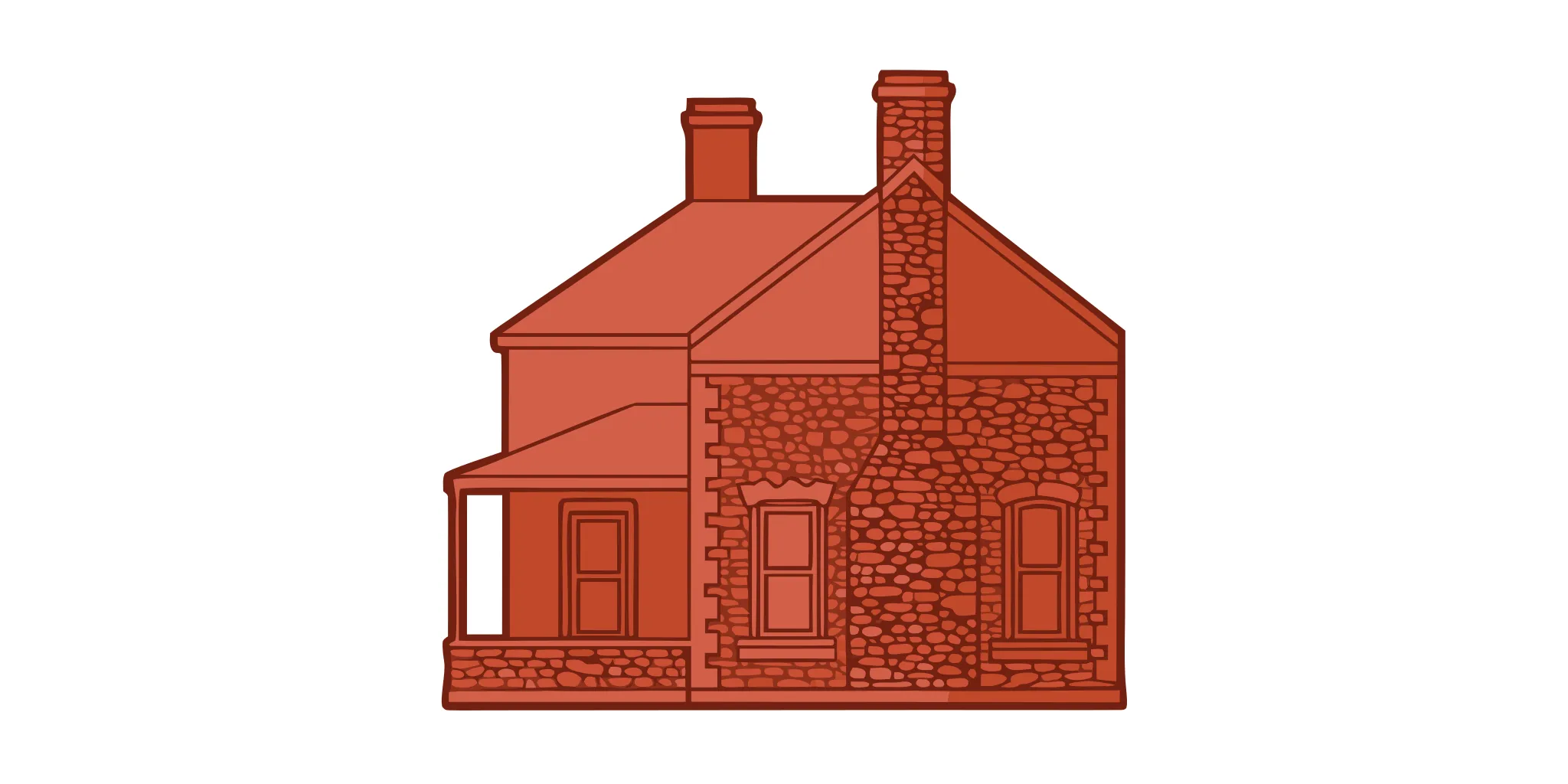
Crumbling mortar and cracked brick on a historic New Jersey home are warning signs of deep structural wear. These historic buildings need specialized care to survive the wet winters and humid summers of the Northeast.
Professional masonry restoration NJ services protect historic homes by replacing damaged materials while preserving original architectural details. According to the National Park Service, mortar joints are the most vulnerable part of historic masonry and require regular maintenance. The restoration process includes careful brick replacement, structural crack repairs, and repointing, which is the removal and replacement of worn mortar. Using modern, hard Portland cement instead of soft, historic lime mortar can trap moisture and permanently crack old bricks. True historic masonry restoration matches the physical properties of the original materials to ensure the home remains strong and dry for decades.
Call 908-241-5900 today to schedule a free consultation with Garden State Brickface and learn how to protect your historic home.
If you own an older home, recognizing when your brickwork needs attention is key to avoiding costly repairs. We will help you understand the core techniques and materials that keep historic buildings standing. Let us examine the essential methods that protect historic masonry across New Jersey.
Masonry Restoration NJ: Understanding Masonry Restoration for Historic NJ Homes
Historic houses in New Jersey have unique charm. Many of these homes feature old brick, stone, and stucco work. But time and weather can take a toll on these materials. Owners of older homes must learn how to protect their property with NJ masonry restoration services before small issues turn into major structural failures.
What Is Masonry Restoration?
This specialty service focuses on preserving and repairing old brick and stone structures. According to a National Park Service preservation brief, mortar joints are the most vulnerable part of historic masonry and require regular maintenance. A key part of this care is repointing: the process of removing deteriorated mortar from the joints of a masonry wall and replacing it with new mortar. This work helps keep water out of your walls while preserving the original design and materials of the building.
How New Jersey Weather Impacts Old Brick
New Jersey has a tough climate for masonry. Our winters bring freezing temperatures and snow, followed by warm, humid summers. Water can get trapped inside the porous historic brick and mortar. When this water freezes, it expands and cracks the surrounding structure. Over many decades, these freeze-thaw cycles cause the outer face of bricks to break apart and crumbling mortar to fall out of the joints.
The Need for Specialized Historic Home Care
Older homes built before the mid-twentieth century demand a careful approach. Many local contractors use modern Portland cement, which is too hard for historic clay brick. This hard cement does not allow the wall to breathe or flex with changing temperatures. Working with experienced, in-house crews who understand historic lime-based mortars is crucial to avoid permanent damage. While some competitors subcontract their work, Garden State Brickface and Siding has over 70 years of experience with in-house masonry specialists to protect your historic home.
What Signs Indicate Your Historic Home Needs Masonry Care?
Historic brick and stone structures are highly durable, but they still wear down over time. In New Jersey, old homes must withstand harsh freeze-thaw cycles and heavy rain. When water gets into masonry, it can cause severe damage that worsens each winter. Homeowners should look for key visual warning signs to catch problems before they lead to expensive structural failure.
- White salt deposits on brick surfaces , One of the most common early warning signs of water issues is efflorescence, which appears as a white, powdery crust on your brick walls. This film occurs when water seeps into the brick, dissolves natural mineral salts, and carries them to the outer surface. As the water evaporates, it leaves behind a dry salt crust. While this white powder might look like a simple cosmetic blemish, it is actually a clear sign of deep water pathways inside your walls. If you do not stop the water source, the salt buildup can move below the surface and cause the brick to crumble from the inside out.
- Flaking and cracking brick faces , When moisture trapped behind the brick surface freezes, it expands with great force. This process causes spalling, which is the physical breaking away or flaking of the outer face of the brick or stone. Spalling leaves the soft, porous interior of the brick open to the elements, which speeds up the rate of decay. If you see chunks of brick on the ground or notice that your wall has a rough, pitted texture, your home needs immediate masonry restoration NJ. Left alone, spalling can spread across the entire wall and threaten the safety of your home.
- Crumbling and gapped mortar joints , The mortar joints between your bricks are designed to protect the masonry and let the wall breathe. However, these joints are the most vulnerable parts of an older wall. Over the years, wind, rain, and age will cause the mortar to turn to dust, crack, or fall out. When mortar joints crumble, they allow rain to pour directly into the wall. If your home has soft or missing mortar, you need professional masonry repair NJ to replace the failing material. You must act quickly because improper repointing done by untrained workers can cause permanent physical damage to the historic brick units themselves.
Repointing vs. Tuckpointing: What Is the Difference?
Homeowners often confuse repointing and tuckpointing when planning a project. These two methods serve very different purposes for older buildings. Understanding these differences is a key part of professional masonry repair NJ. Choosing the wrong method or using poor technique can lead to major structural issues.
What Is Repointing?
Repointing is the core of structural upkeep. It is the process of removing worn mortar from the joints of a brick wall and putting in new mortar, according to the National Park Service. Over many years, wind, rain, and snow wear down the mortar joints. When mortar crumbles, water can seep into the wall. You must fix any drainage problems, like leaking gutters or downspouts, before you begin repointing to stop water from leaching through the new joint.
What Is Tuckpointing?
Tuckpointing is a decorative method rather than a structural fix. Workers first fill the mortar joints with a mortar colored to match the surrounding brick. This makes the joints blend in with the walls. Then, they place a thin, contrasting line of fine putty down the center of each joint. This line, called a fillet, is usually bright white or cream. It creates the visual illusion of perfectly straight, very narrow mortar joints, even on walls with uneven bricks.
Why Method Choice Matters for Historic Homes
For historic home maintenance, choosing the correct method is vital. Improper work can cause physical damage to old brick or stone units. Historic bricks are often soft and fragile. If you use a mortar that is too hard, the brick faces will crack and break during seasonal freeze-thaw cycles. You need an expert team that knows how to assess your wall and select the right blend. Our experienced, in-house crews bring decades of local experience to every NJ masonry restoration services project.
| Feature | Repointing | Tuckpointing |
|---|---|---|
| Primary Purpose | Restores structural strength and stops water leaks. | Creates a neat, narrow joint appearance. |
| Mortar Matching | Mortar is matched to the color and strength of old joints. | Base mortar matches the brick; the fillet contrast line is narrow. |
| When to Use | Use when mortar is crumbling, soft, or falling out. | Use on historic homes to mimic fine, high-end brickwork. |
| Cost Impact | Standard restoration cost based on depth and joint prep. | Higher cost due to precise, multi-step artistic work. |
Why Does Matching Historic Mortar Types Matter for NJ Homes?
For historic homes in New Jersey, mortar is more than a simple binder. It is a vital safety valve for the entire wall. Many historic homes in towns like Morristown, Princeton, Red Bank, and Cape May use lime-based mortar. This old mix is soft and breathable. In contrast, modern Portland cement is hard and keeps water trapped inside. If a contractor uses modern cement to patch historic brick, the hard mortar will not give. As the wall shifts and temperatures change, the soft historic bricks will crack and break instead of the mortar. The National Park Service warns that improper repointing can physically damage historic masonry units. For this reason, matching the original mortar type is a key part of preservation.
How Lime Mortar Protects Old Brick
Old brick is highly porous and soft. Lime-based mortar allows moisture to travel out of the wall and evaporate. This breathing process keeps the brick dry. Modern Portland cement blocks this path. When water gets trapped behind hard cement, it has nowhere to go. During cold NJ winters, this trapped water freezes and expands. This action forces the face of the brick to pop off, which ruins the masonry. To prevent this destruction, you must use a soft mortar mix that matches the original lime content. A proper match lets the joints wear out slowly over time, which protects the rare brick from costly ruin.
The Danger of NJ Freeze-Thaw Cycles
Our local weather puts old masonry to a severe test. Central and Northern New Jersey experiences frequent freeze-thaw cycles each winter. Water enters small gaps in the mortar joints. When it freezes, it expands. When it thaws, it shrinks. If the mortar is too stiff or keeps water from draining, this cycle quickly breaks the stone or brick. For historic homes, mortar joint deterioration is expected over decades of weather exposure. However, using the wrong mortar type accelerates this decay. When you plan a project, choosing NJ masonry restoration services ensures your home receives a mortar mix designed to survive these local freeze-thaw shifts.
Why Professional Mortar Analysis Matters
You cannot match historic mortar by sight alone. Professional masonry contractors use chemical testing to find the exact makeup of your old mortar. This analysis reveals the ratio of lime, sand, and cement in the wall. It also identifies the shape and color of the original sand grains. This test is crucial in historic districts with strict preservation rules, such as those in Cape May or Princeton. Using a custom-blended mix ensures the new joints perform and look just like the originals. If your old home shows signs of worn joints, scheduling a professional masonry repair NJ assessment is the safest way to preserve your property for the next generation.
Which Masonry Restoration Services Do NJ Historic Homes Need?
Old houses in New Jersey require specialized care to stay strong and dry. Over time, rain, wind, and winter cold take a toll on brick and stone structures. When mortar joints fail or bricks begin to crack, you need targeted solutions to protect your home. Local homeowners can rely on several key services to address these issues before they turn into major structural problems.
Brick Chimney Restoration and Care
Chimneys face the most extreme weather of any part of your house. They catch the full force of wind and rain, which causes mortar to wash away. To stop water from getting inside, a skilled team must perform brick chimney restoration on a regular basis. This process keeps the chimney stable and prevents leaks from reaching your ceilings.
Before any repointing work begins, workers must check your gutters and downspouts. According to historic preservation guidelines from the National Park Service, you must repair all active drainage problems before you apply new mortar. If you do not fix leaking pipes first, water will continue to wash through the wall and ruin the new work. Once the water source is gone, we can safely proceed with a complete chimney restoration that lasts for decades.
Historic Brick and Stone Matching
When bricks break or crumble, simple patches will not work. Historic masonry restoration NJ projects require an exact match for both the size and color of your original materials. Using modern bricks that are too hard or the wrong size can cause the surrounding wall to crack. Professionals search for salvaged historic bricks or custom-made pieces to preserve the look and strength of your facade.
Foundation Crack Repair and Facade Work
Cracks in your foundation or exterior walls are clear warning signs of trouble. Small cracks can let water seep into your basement, while larger cracks can point to structural movement. Fixing these issues involves deep tuckpointing for decorative facades and structural grouting for foundations. Workers clean out the loose material, seal the cracks, and inject strong, flexible compounds to stabilize the masonry.
Ready to protect your historic home? Call 908-241-5900 to speak with our masonry team about a free consultation.
Why Choose Garden State Brickface for Your Masonry Restoration
Historic brick and stone structures in New Jersey demand skilled hands. Since 1953, Garden State Brickface and Siding has provided trusted NJ masonry restoration services for both homes and businesses. Our team brings more than 70 years of local experience to historic preservation work. We have helped thousands of property owners keep their brickwork safe and beautiful.
In-House Crews with Deep Local Knowledge
We do not rely on third-party subcontractors to restore your property. Every project is handled by our own trained, in-house crews. These professionals understand the specific needs of historic local brickwork. This complete control over our labor ensures that our work meets high standards. Our dedication to quality is why we hold a five-star average across more than 200 reviews from satisfied clients.
Comprehensive Home Exterior Services
Some local firms only handle basic brickwork. In contrast, we take a full-service approach to home care. While we are experts in historic professional masonry repair NJ, we also handle siding, windows, roofing, and chimneys. If you need masonry work, you can address other exterior needs with a single team. This comprehensive approach saves you from the hassle of hiring multiple contractors.
A Trusted Resource Across Fourteen Counties
We serve fourteen counties throughout Central and Northern New Jersey from our Rahway headquarters. Over four generations, our family-owned business has mastered the techniques needed to protect historic properties from freeze-thaw cycles. Our processes comply with standard preservation guidelines from the National Park Service. You can contact us to set up a free consultation to inspect your brickwork and plan your restoration.
Frequently Asked Questions
What is the difference between repointing and tuckpointing?
According to the National Park Service, repointing is the process of removing deteriorated mortar from brick joints and replacing it with new mortar. Tuckpointing is a decorative technique that uses two contrasting colors of mortar to make joints look thinner. Many people use these terms interchangeably, but they serve different preservation purposes.
Can improper masonry restoration damage historic brick?
Yes. Using the wrong mortar can cause permanent damage to historic bricks. Older bricks are softer than modern ones. If a contractor uses modern Portland cement instead of a soft, lime-based mortar, the hard mortar will not give under pressure. This causes the historic brick to crack or crumble over time during natural temperature changes.
Why do historic New Jersey homes need masonry restoration?
New Jersey weather has harsh winters and hot summers. This climate creates freeze-thaw cycles that trap moisture inside mortar joints. When trapped water freezes, it expands and causes the brick surface to break away. Homeowners can prevent this type of winter damage by investing in timely professional masonry repair in NJ before mortar joints fail.
What are the signs of historic masonry damage?
Homeowners should look for crumbling mortar, loose bricks, and bowing walls. You may also see salt deposits on the wall surface or find the brick face chipping off. These issues often stem from water damage. It is critical to fix local drainage problems like leaking gutters before starting any repairs to keep the new mortar from failing.
Schedule a Free Consultation for Masonry Restoration
Ignoring crumbling mortar and cracked brick can lead to deep water damage and costly structural failures in your historic home. Setting up professional care now protects your property from New Jersey winter freeze cycles and keeps your masonry stable for decades. Our in-house crews bring seventy years of family-owned experience to every preservation project.
Ready to schedule a free consultation for masonry restoration? Call 908-241-5900 to talk to a local masonry expert today.