Stone Veneer Installation NJ: Homeowner Guide

Proper stone veneer installation NJ shields your home from the elements while boosting its beauty and market value. This specialized siding offers the timeless look of natural rock without the weight or cost of full stones.
Schedule a free stone veneer consultation with our New Jersey exterior specialists.
Stone veneer installation NJ involves applying a thin layer of natural or manufactured stone to an outer wall for a solid stone look. This multi-layer process uses a water-resistive barrier, lath, and a scratch coat to create a strong bond. These layers help stones stick and keep water out of the building structure. Manufactured stone acts as a reservoir cladding. The assembly must manage water to prevent damage (Source: Pennsylvania Housing Research Center). For New Jersey homeowners, this means choosing materials that withstand local freeze-thaw cycles and heavy rain. Expert installation ensures each stone has the correct mortar and backing. This creates a durable finish that protects your home foundation, chimney, or siding for decades to come.
Stone Veneer Installation Nj: What is stone veneer siding?
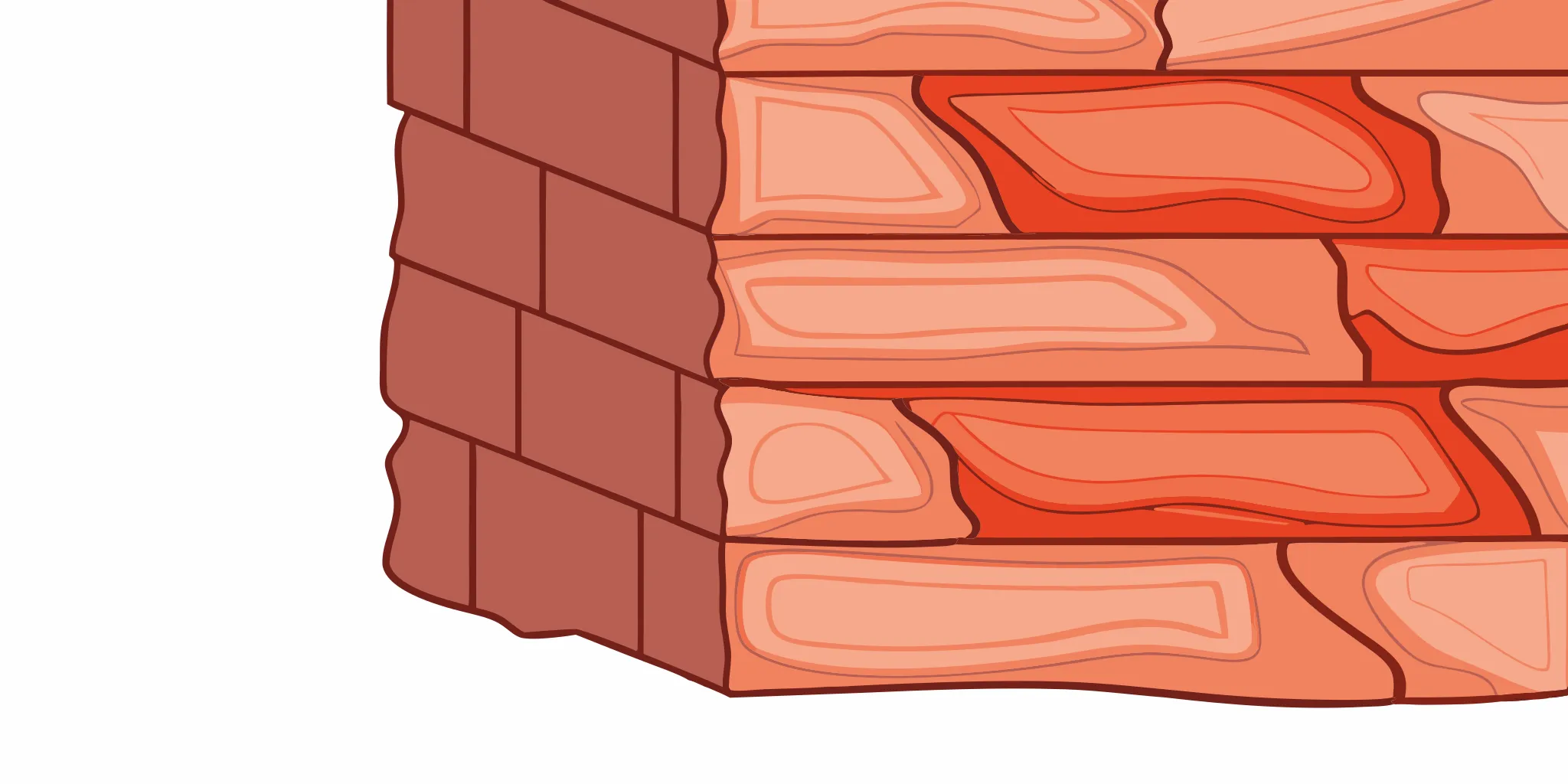
Stone veneer siding is a thin layer of stone used on the outside of a home. Old stone walls use thick, heavy rocks. This material is a thin finish that gives your house a high-end look. You can find it in two main types. One is real stone veneer options. This is real stone cut into thin pieces. The other is cast stone. People also call this man-made or manufactured stone. Both types are light and last a long time.
Cast stone is made from a mix of cement and sand. Makers use molds to give it the shape and feel of real rock. They add dyes to match the colors found in nature. This type is very light. It is easy to cut and fit around windows or doors. Many homeowners like it because the colors stay the same across the whole house. It is a cost-effective way to get the look of luxury.
Understanding the stone assembly
Stone veneer is more than just a nice look. Pros call it a “reservoir cladding.” This means the stone can soak up and hold water. Because of this, proper assembly design is a must. A good system has a water barrier behind the stone. This layer stops wetness from hitting the wood frame of your house.
Setting up the stone takes a few steps. First, masons nail a metal mesh to the wall. Then, they put a “scratch coat” of mortar over the mesh. Once that is dry, they stick the stones to the wall with more mortar. This creates a strong bond that stays firm. If you skip these steps, you could face leaks and water damage. That is why expert help is key for a good job.
Stone veneer in the Garden State
In New Jersey, many people use stone veneer to boost how their home looks. It is a top choice for stone veneer installation NJ projects. It handles our local weather well. You will often see it on house bases, chimneys, and front doors. It also looks great on outdoor steps and walls. Since we started in 1953, we have seen how much stone can change a home.
When choosing the right stone veneer style, think about our local air. NJ has hot summers and very cold winters. You need stone and mortar that can handle these big shifts. Our crews know which products work best in our state. We make sure every piece is set to stay firm through snow, ice, and rain.
Veneer versus full stone walls
The main gap between stone veneer and full stone is the depth. Old stone walls use rocks that are four or five inches thick. These walls are very heavy. They need a big concrete ledge to hold them up. Stone veneer is much thinner. Most pieces are less than two inches thick. This lets us put it on almost any wall. You get the look of a solid stone wall without the high cost of a deep base. It is also faster to set up and less messy.
Natural stone vs. manufactured stone veneer
The look and feel of stone
Many New Jersey home owners want to boost curb appeal with stone. You can choose between real rock and cast stone. Both options add a touch of class to your home. Real natural veneer service is cut from the earth. Each piece has its own color and shape. It looks very natural because no two stones are the same.
Manufactured stone is a man-made choice. Shops use concrete and dyes to make it look like real rock. These stones come in many styles and colors. You can easily find a match for your home style. But some stones might look the same if the shop uses the same molds too often. Still, this stone is a great way to get a high-end look on a budget.
Weight and wall support
Weight is a key part of your home project. Natural stone is very heavy. It puts a lot of stress on your walls. Most heavy stone needs a strong base or a steel shelf to hold it up. This can make the work take more time. It also adds to the total cost of the job.
Manufactured stone is much lighter than real rock. It is often called thin veneer because it is not as deep. It sticks well to most house walls without a big ledge. This makes stone veneer installation NJ much faster. Most teams can finish the job in less time since the pieces are easy to handle. This helps you save on labor costs while still getting a great finish.
Moisture and building codes
Both types of stone must handle the local weather. In New Jersey, we have cold winters and wet springs. Stone must block water from getting into your walls. Manufactured stone is known as a reservoir cladding. This means it can soak up water like a sponge. It needs a gap behind it so it can dry out fast.
You must follow strict rules to keep your home safe. Standards like the International Residential Code set the bar for quality. These rules say you need a water barrier and a strong base for the stone. Expert teams make sure your stone wall meets these codes for a long-lasting result.
Choosing between these two depends on your goals and budget. Natural stone lasts a lifetime but costs more to install. Manufactured stone is lighter and easier on your wallet. Both can transform the look of your foundation or chimney. Be sure to pick the one that fits your home’s needs best. A custom consultation can help you find the right path for your next home project.
| Feature | Natural Stone | Manufactured Stone |
|---|---|---|
| Source | Real quarried rock | Cast concrete and dyes |
| Weight | Very heavy | Light and thin |
| Look | Unique colors and textures | Repeat patterns possible |
| Support | May need a wall ledge | Sticks to most flat walls |
| Price | High cost for parts and labor | Lower cost and faster setup |
Why is stone veneer popular for New Jersey homes?
Many homeowners in New Jersey choose stone veneer to improve their houses. It is a top choice for those who want a high-end look without the weight of heavy rocks. Since 1953, local owners have used this stone to make their homes stand out. It offers a mix of beauty and strength that works well in our local towns. From Rahway to the shore, people see it as a smart way to upgrade an outside wall.
Better curb appeal and home value
One big reason for its appeal is how it looks. Stone details can turn a plain house into a dream home. Whether you live in Union, Somerset, or Bergen county, a new look can help you feel proud of your space. It mimics the feel of real rock but is much easier to work with on a house. This makes it a great pick for those choosing the right stone veneer style for their needs.
A nice outside also helps your home’s worth. If you plan to sell, a stone front can get buyers to take notice. Many people in the NJ market look for homes with custom stone work. It shows that the owner cared about the details. This upgrade often yields a good return on your money. It works well with vinyl siding or stucco to create a full, finished look for the whole building.
Built to handle NJ weather
New Jersey weather can be tough on a home. We have very hot summers and snowy winters. Your outside walls must be able to handle these big changes. Stone veneer is a strong option for the local climate. But it must be set up right to protect your home. Experts at Penn State University note that stone veneer acts like a reservoir. This means it can hold water after a storm.
Because of this, a good stone veneer installation NJ needs a plan for water. You must have a drainage gap to let moisture out. Without this, water could get stuck behind the stone. This can lead to rot or mold in your walls over time. Using the right flashings and barriers is vital to keep your home safe. Local pros follow building codes to make sure every layer is in the right place for a dry home.
Useful for many home projects
You can use this stone in many spots around your property. It is not just for the main walls of the house. Many owners use it to cover a plain concrete foundation. This gives the home a solid and high-class base. It is also a top pick for chimneys and front steps. If you have an older home, it can help with historic looks. It gives you the feel of old masonry at a lower cost.
When you look at genuine stone siding, you will see many colors and shapes. You can use it for small accent walls or a full front view. It is light enough to use on almost any surface. But you should always use a pro to do the work. A family-owned team with in-house crews can make sure the job is done right. This helps your new stone look great and last for many decades.
How professional stone veneer installation works
Expert stone veneer work takes great care. At Garden State Brickface & Siding, we bring 70 years of skill to each job. Our own crews do all the work. We do not hire outside teams. This helps us keep the high quality that New Jersey homeowners want. For a stone veneer installation NJ project, we follow a clear path. This path makes sure your home looks good and stays safe.
Planning your stone project
The first part of any job is a full check of your home. We look at the walls and the project goal. You might want to update a chimney or a foundation. We help you with choosing the right stone veneer style for your house.
This step makes sure the final look fits your dream. It also lets us find any wall issues before we start. Getting the plan right means fewer problems later on.
The steps for a top setup
A good setup is about more than just looks. It is about how the wall works. In New Jersey, we have wet and cold days. Your stone needs to handle rain and snow.
We use a multi-layer system to protect your house. This process follows top rules for the building trade.
- Check and design. We start by looking at your home’s outside. Our team checks the wall’s strength. We help you pick colors and shapes that match your home.
- Wall preparation. We clean the wall and add a water barrier. This layer is vital. It stops water from getting behind the stone. Since stone can hold water, this barrier is key for a long life.
- Lath and scratch coat. We nail a metal mesh over the barrier. Then, we put on a thin layer of wet mortar. We rake this layer to make it rough. This helps the stone stick fast.
- Setting the stone. We put mortar on the back of each stone. Then, we press the stone into the wall. We start at the bottom and work up. This keeps the stones from sliding down.
- Filling the gaps. Once the stone is set, we fill the gaps with grout. This seals the spaces between stones. It keeps water out and gives a clean look.
- Final check. We clean any extra mortar off the stones. Then, we do a final walk-through. We make sure every piece is tight and the site is clean.
Why water control matters
Moving water away is the most important part of the job. Without a good drain path, water can get stuck. This leads to mold or rot. Top groups like the Pennsylvania Housing Research Center say water control is the main goal.
We use metal seals around windows and doors. These seals move water away from the wall. This keeps the home dry and strong for many years.
You might pick natural stone finishes for its look. But it must be set up right to last. Choosing hiring a professional for siding repair or setup saves you time.
It also protects your home. Our team knows the local codes and weather in NJ. We ensure your new stone walls stay strong for a lifetime.
Explore professional stone veneer installation options for your New Jersey home.
What makes stone veneer installation durable in NJ?
New Jersey homes face tough weather throughout the year. From heavy rain to cold winters, your home’s outside must stand up to many changes. A lasting stone veneer installation NJ relies on more than just looks. It needs a strong plan to handle water and temperature shifts. When done right, this stone protects your home for a long time.
Managing moisture and rain
Stone veneer is often called a reservoir cladding. This means the stone can hold onto water like a sponge. In our wet climate, this moisture must have a way to escape. Proper build design is key to a good investment and long-term results. Without a path for water to leave, it can get stuck behind the stone and cause damage.
To keep the wall dry, experts use a multi-layer process. This starts with a water-resistive barrier and a drainage plane. These layers guide water away from your home’s wood frame. Installers also add weep paths and flashings at windows and doors. Following the International Residential Code helps ensure these parts work together to stop leaks. This careful work keeps the inside of your walls safe from rot.
Surviving the freeze-thaw cycle
New Jersey winters are famous for the freeze-thaw cycle. Water gets into small gaps, freezes, and then expands. This force can push stones loose if the bond is weak. Using the right mortar and scratch coat is vital for a strong grip. The masonry must be fixed to an approved backing with the right bonding material. Following the maker’s guides for each stone type helps prevent these cracks.
Picking the right stone for our local area also matters. Some parts handle the cold better than others. It is best to use stones with a history of standing up to weather in our specific region. For example, natural stone siding choices often provides great strength against the elements. A local expert can help you pick a style that will not crack or fade over time.
Why expert skill matters
While some people try to install stone themselves, expert help is usually better. Small mistakes in flashing or drainage can lead to common masonry repair issues later. Professional crews know the local building codes and the best ways to prep a surface. They ensure the lath and mortar are set correctly for the best bond.
Experience also plays a large role in how long the stone lasts. At Garden State Brickface and Siding, we use in-house crews with years of local experience. We do not use outside subcontractors for our work. This focus on quality helps us deliver results that stand up to NJ weather. A custom consultation ensures your project fits the specific needs of your home and site.
How do you maintain stone veneer siding?
Stone veneer is a strong and pretty choice for your home. But like any part of your house, it needs care to stay in top shape. Regular checks and easy cleaning help stop big problems later. Since many stones act as a reservoir cladding, they can hold water if not kept well. Taking a few minutes to look over your siding each season can save you time and money.
Check for signs of wear
You should walk around your home twice a year to look for changes in your stone. Look closely at the mortar joints between the stones. Small cracks or gaps in the mortar can let water get behind the siding. This wetness can cause harm to the wood frame of your house over time. You should also check for loose stones or spots where the stone seems to pull away from the wall.
Stains or white crusty spots are other things to watch for. These often mean water is sitting on the stone or moving through it too slow. If you find common masonry repair issues, it is best to fix them fast. Quick fixes keep your home safe from leaks and rot. Finding these signs early helps keep your stone looking new for many years.
Clean your stone siding
Most stone veneer only needs a light wash to stay clean. Use a soft brush and a mix of warm water and mild soap. Do not use a power washer on your stone veneer. High pressure can crack the stone or wash away the mortar. It can also push water deep into the wall where it can’t dry out. Rinse the stone well with a hose after you scrub it to remove any soap film.
Managing water flow is also key to keeping stone clean. Make sure your gutters and spout work well and move water away from the stone. Water that hits the stone from a broken gutter can lead to stains and moss. If you have natural stone veneer, check the sealer if one was used. Some stones need a new coat of sealer every few years to stay safe from the NJ weather.
When to call a pro
Some stone issues need help from an expert. If you see large cracks, many loose stones, or wet spots that won’t go away, call for a check. Pros have the tools to see if water has reached the lath or scratch coat behind the stone. They can also check for proper flashings at your windows and doors. These parts are needed to keep your home dry.
At Garden State Brickface & Siding, we have worked with NJ owners since 1953. Our in-house crews know how to find and fix hidden siding problems. We offer custom help to keep your home looking great. If you are worried about your siding, we can provide a free check. Taking care of your stone now makes sure it stays a good choice for your New Jersey home.
Planning your stone veneer project
A great home makeover starts with a solid plan. Adding stone to your NJ home is a big choice. It changes how your house looks and how it handles the weather. You want to think about where the stone goes and who will put it there. Taking time now saves you from stress later.
Check your home walls
Before you start, look at your current walls. Stone veneer needs a strong and clean base. If your siding is old or leaking, you must fix those issues first. Pros check for signs of water damage or cracks in the base. This is vital for a good hiring a professional for siding repair to ensure the new layer stays dry.
Water handling is the most important part of the job. In New Jersey, our weather can be harsh on home walls. Your plan must include a way to keep water out. Modern rules like the International Residential Code require a water-resistive layer. This layer sits behind the stone to protect your home. Proper flashing around doors and windows is also a must to stop leaks.
Pick your style and area
Think about which parts of your house will look best with stone. Many people start with the base or the area around the front door. You can also add stone to chimneys or use it as a small accent on one wall. Your choice should match the age and look of your home. You can find more tips on choosing the right stone veneer style to help you decide.
Samples are a big help when you pick a look. Ask your pro to show you real stone pieces in the light. Colors and textures can look other than they do in a book. Pick a stone that works well with your roof and trim. This helps your home look better and can even raise its value over time.
Find the right team
The success of your stone veneer installation NJ depends on the crew. Not all companies are the same. Some use workers they just met, but others have their own teams. Ask if the company uses in-house crews. This often leads to better work and more trust. You should also ask about the project timeline and what the full work plan includes.
Talk to your pro about how they handle the technical steps. Ask them to explain how they will manage water and what backing they will use. A good pro will be happy to show you their plan. They can give you a custom quote based on your home and the stone you pick. Since every house is special, this one-on-one talk is the best way to get a fair price for your project.
Frequently Asked Questions
How much does it cost to have stone veneer installed in NJ?
Costs for stone veneer setup in New Jersey vary based on your material choice and project size. Because every home has different needs, most experts do not provide fixed price lists. Instead, they use a consultation to give you an accurate quote. This process looks at the condition of your home and the amount of stone you need. You should get a custom quote to understand the full cost for your specific home upgrade project.
Can I install stone veneer myself?
While some homeowners try to install stone veneer as a DIY project, professional help is often the best choice. This job needs specific skills to ensure the stone stays in place and keeps out water over time. According to building science research, proper setup is vital for strength. Experts use in-house crews to manage the multi-layer process. Professional work helps prevent wall issues and water damage that can occur if you miss a step.
Can stone veneer be installed on commercial buildings?
Yes, stone veneer is a great choice for both homes and business buildings throughout the New Jersey area. It adds a clean look to stores, offices, and apartments. Many property managers choose it because it is strong and easy to care for. Projects for business sites often have different rules than homes. It is important to work with a team that has experience with large jobs. Expert crews can handle the scale and technical needs of big exterior upgrade projects.
How long does a stone veneer installation usually last?
When put on correctly, stone veneer can last for many years. Its life depends on the quality of the work and how well the wall keeps out water. According to the Pennsylvania Housing Research Center, proper drainage and flashing are key to long life. Using strong materials and in-house crews helps ensure the stone stays bonded to your home despite the harsh local weather. Regular checks will also help your stone siding stay in top shape.
Ready to start your stone veneer project in NJ?
Waiting to fix the outside of your home can lead to big costs if water or cracks hurt your walls and base. Adding stone veneer now keeps your house safe and gives it a fresh look before the next big storm season arrives. Our local team will handle all of the work so your home project stays on track and meets your needs for natural stone veneer. You will get a strong and clean look that helps your home stand out on your street and lasts for many years. We have served New Jersey for over seventy years and we know how to do the job right for your family.
Ready to schedule a free stone veneer consultation? Call 908-241-5900 to talk to a local expert about your house today.